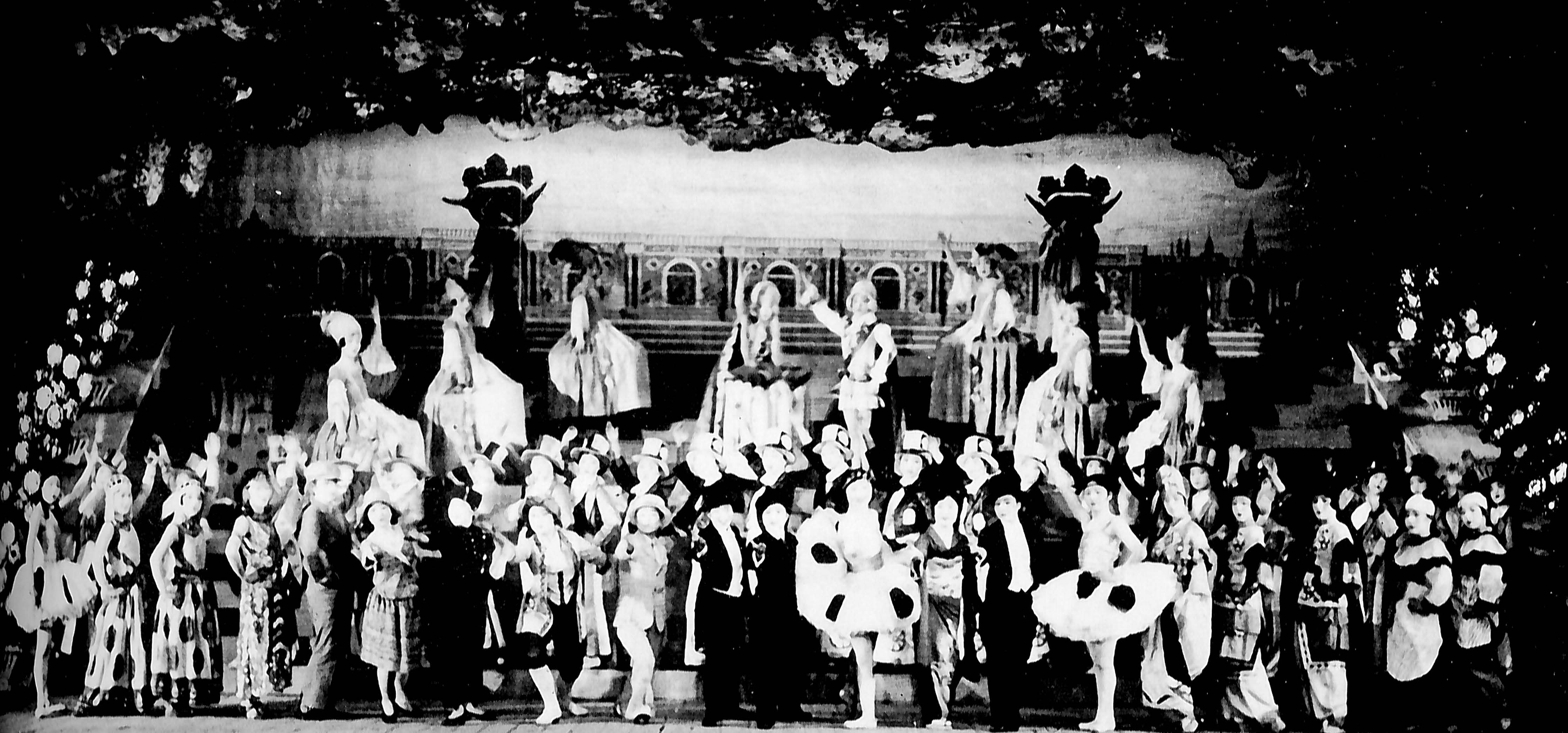
The Shōchiku Kagekidan (松竹歌劇団) was an all female revue and musical troupe that lasted from 1928 to 1996, and rivaled the famed Takarazuka Kagekidan (宝塚歌劇団). Continue reading
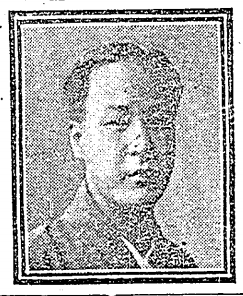
Musei Tokugawa (徳川夢声) was a multi-talented performer known for his silent film narrations, film and radio appearances, as well as for authoring numerous essays and novels.
He was born in 1894 in Shimane prefecture. His career began as a benshi (弁士), or a narrator of silent films. He enjoyed success in this realm until the end of the silent film era. From there, he began appearing in film and television as an actor, as well as storytelling through radio.
Some of Tokugawa’s stories can be heard at the Rekion station at the OSUL Music/Dance Library by searching the following access codes, or by searching 「徳川夢声」. Continue reading
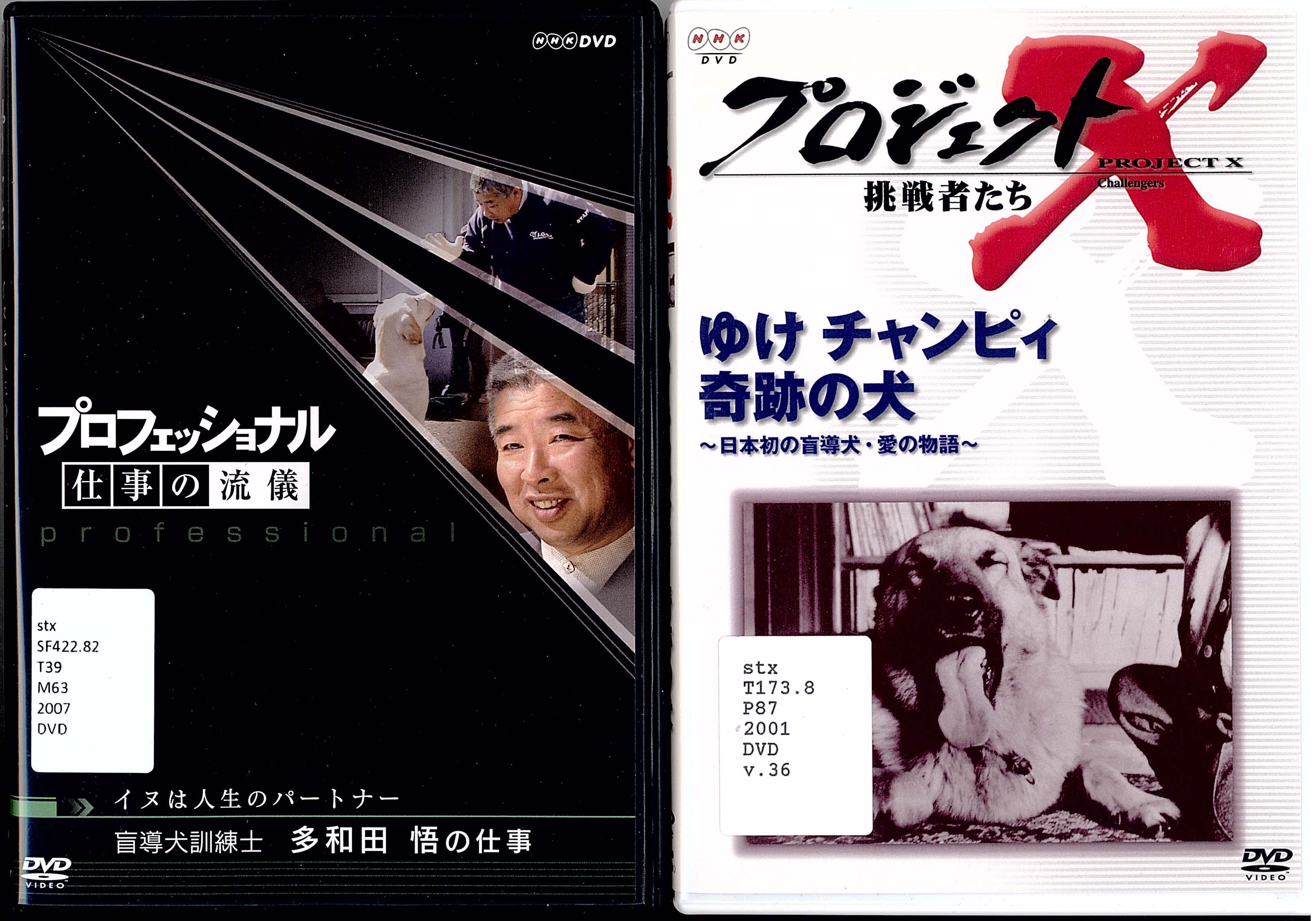
OSUL contains several different resources which can serve as valuable insight into modern Japanese innovations and professions. Among these are the two documentary television series from 日本放送協会 (NHK) known as プロジェクトX (Project X) and プロフェッショナル (Professional). プロシェクトX delves into the historical backgrounds for major advancements in Japanese industry, science, technology, public affairs, and sports. プロフェッショナル focuses on the detailed analysis of different professions by shadowing those who work in them, providing a glimpse into their daily work and motivations.

Typical calisthenics routine from Illustrated “Salaryman” in Japan (Click the image for the book in the OSUL Catalog).
One unique characteristic of daily life in Japan is mass participation in morning calisthenics routines. Particularly noticeable are construction workers who can be observed stretching outside at construction sites, but the routines are also common in a range of spaces from kindergartens to offices.
These radio-broadcast routines were originally brought from the U.S. in the 1920’s, (detailed timeline is available on かんぽ生命 website) but contrary to their American counterparts, the exercises continue to be a part of daily Japanese life.
In 1931, the Radio Taisō Song (ラジオ体操の歌) was released and for many represented the beginning of the day. The broadcasts were banned for a period following the war, but were revived with the addition of a new theme song in 1951.
Rekion access in OSUL – There are several versions of the Radio Taisō Song available through Rekion. Continue reading
Rekion includes a very famous recording made at the 1936 Berlin Olympics, when NHK announcer Sansei Kasai (河西三省) abandoned his regular detachment as a journalist to cheer on Japanese swimmer Hideko Maehata (前畑秀子) as she edged out her German rival to win the gold medal in the 200 meter breaststroke event.
Additional reading:
NOTE: This is one of a series of posts highlighting content available in Rekion (れきおん), the Historical recordings collection of the National Diet Library (Japan), which is available at a dedicated computer in the Music and Dance Library at Ohio State. See the Introductory post in this series for more information about the database.
The sensational Takarazuka Revue began as The Takarazuka Girl’s Opera in 1914 as a way to attract guests to an up-and-coming tourist destination, and 100 years later continues to entertain the imaginations of audiences from across Japan. One of Takarazuka’s most well-known performances was a Japanese language adaptation of the popular revue show, Mon Paris (吾が巴里よ), which became the first revue in Japan. The Revue was named after the city in which it originated, Takarazuka, in Hyōgo prefecture.
Takarazuka and Osamu Tezuka:
Manga artist Osamu Tezuka (手塚治虫), creator of Astro Boy (鉄腕アトム) grew up in Takarazuka and his work was influenced by the theater group, particularly his manga Princess Knight (リボンの騎士) . After Tezuka’s manga gained notoriety, his stories were then adapted into several Takarazuka musicals. For more information about Tezuka and Takarazuka theater, see Tezuka in English by Ada Palmer.

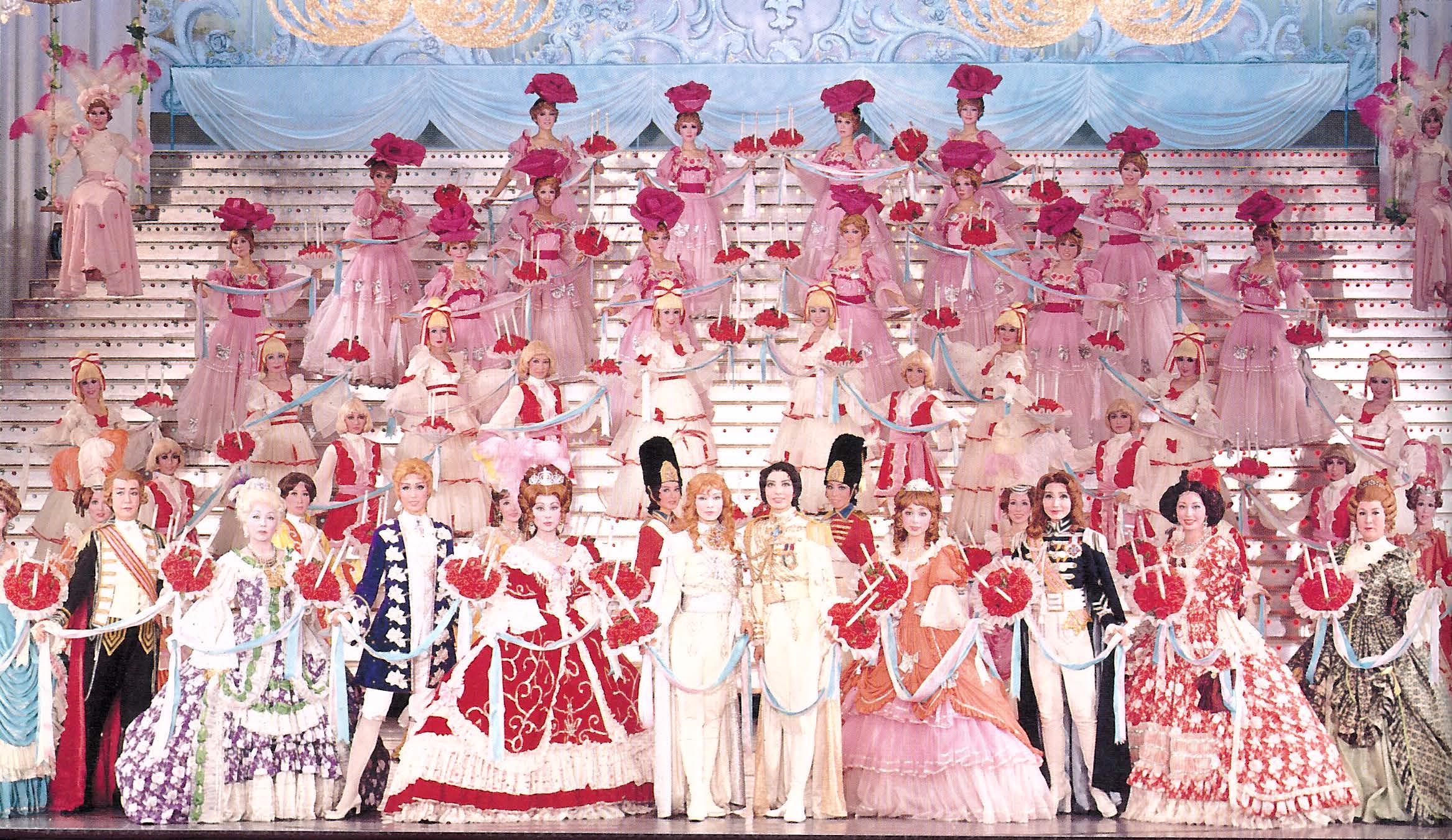
Rose of Versailles 「ベルサイユのばら」, showing the mutual stylistic influence between Takarazuka and shōjo manga, from 「夢を描いて華やかに:宝塚80年史」.
More information about Takarazuka is available through several resources in the OSU Library catalog. Continue reading
The Japanese Studies Collections at the Ohio State University Library are posting New to the Collections lists on our website. The lists are monthly updates of materials and resources added to our catalog. They include books, films, music records, and e-resources OSU library has acquired or received as gifts.
The titles are sorted by call numbers, and the hotlinks will take you to the item record in the OSU library catalog. A new list is typically uploaded within the first week of each month, and most materials take a couple of weeks to be processed before reaching the shelves.
Please contact us if you have any questions or if you would like to suggest books or other resources for the library.
If you are interested in other East Asian topics, we also have New to the Collections list for the Chinese Studies Collections, and New to the Collections list for the Korean Studies Collections.
As a continuation of the previous post about Shinpei Nakayama’s composition “Tokyo March”, this article will focus on Nakayama and his other well-known works.
Shinpei Nakayama (中山晋平) was born in 1887 in Nagano prefecture. He attended Tokyo School of Music (present day Tokyo University of the Arts).
One of his most beloved works is “The Gondola Song” (ゴンドラの唄, Gondora No Uta), which was used in Akira Kurosawa’s classic 1952 film, Ikiru (生きる). During his career, Nakayama composed a great number of popular melodies, including nearly 800 children’s songs, many of which were featured in the children’s picture magazine Kodomo No Kuni (Children’s Land).
Nakayama was active at a time when radical changes were occurring in the nature of Japanese music and performance. Continue reading
Longing for the past when the streets in Ginza were lined with willow trees
A young beauty becomes a nobody with age
Dance to the jazz music and down liquor into the night
And the rain that is the tears of the dancers will sprinkle at the break of dawn.
Tokyo March (1929) Lyrics taken from the English subtitles in Tokyo March (1929), directed by Mizoguchi Kenji, in Talking Silents 1, DVD (Tokyo: Digital Meme, 2007)
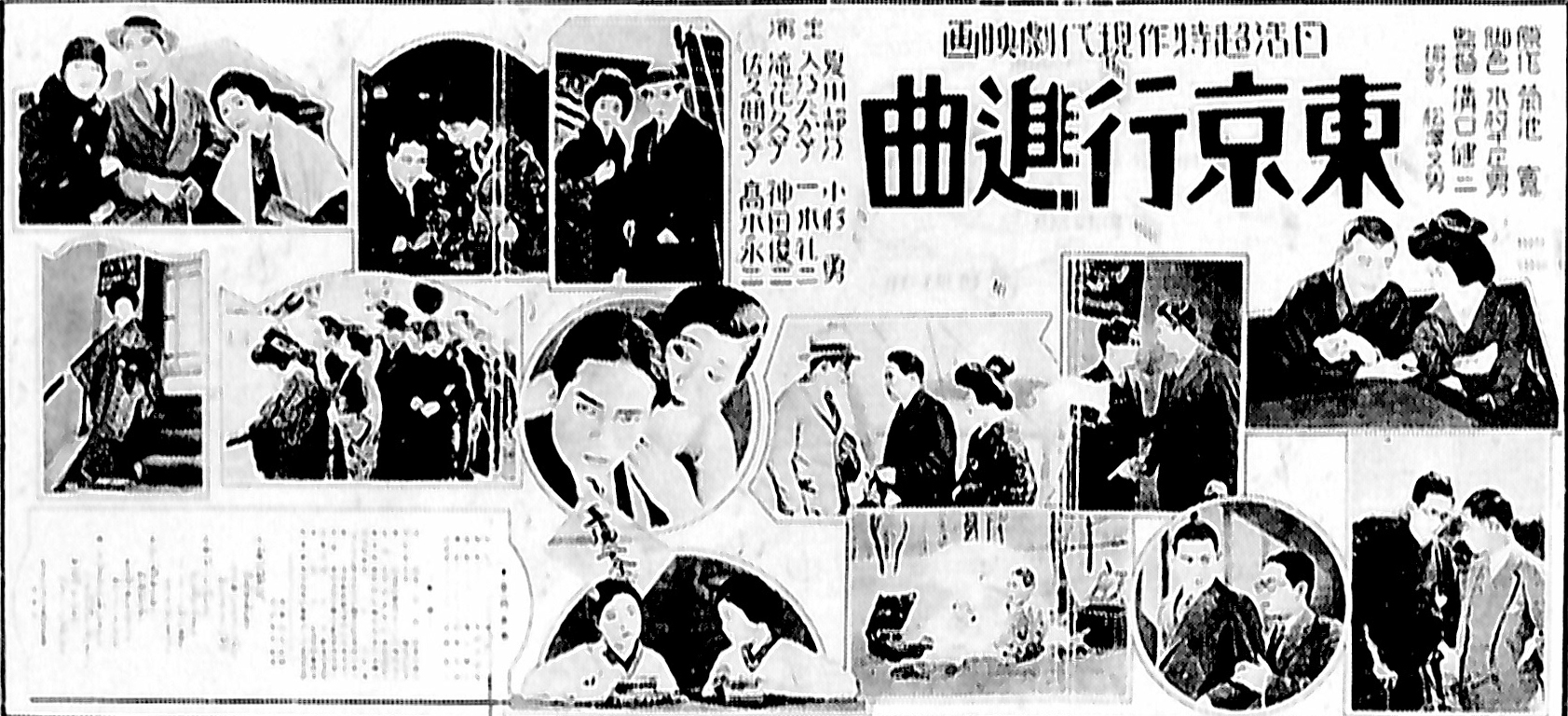
Shinpei Nakayama(中山晋平) was a Japanese composer known as “the father of popular music” who was active during the early 1900’s. Nakayama rose to fame when his composition “Tokyo March” (Tokyo Koshinkyoku) was used as the theme song for the 1929 movie by the same title directed by Mizoguchi Kenji. Upon the song’s release, “Tokyo March” came to be considered one of the first Japanese “pop” songs, selling an unprecedented 400,000 copies according to The Oxford Handbook of Japanese Cinema. The resounding success sparked the careers of Nakayama, the song’s lyricist, and the song’s performer Chiyako Sato (佐藤千夜子), which subsequently caused a surge in the country’s overall record production. Japan’s professional music industry was set into motion. Continue reading
The Ohio State University Library is proud to announce a new resource: 歴史的音源 the Japanese Historical Recordings Collection (Rekion). Compiled by the Recording Industry Association of Japan (RIAJ) in cooperation with the National Diet Library (NDL), this archive consists of approximately 50,000 digitized recordings from 1900-1950. A fraction of these recordings are available to the public through the National Diet Library Online Collections, but the majority of material is only available through libraries who have been granted special access. This year, OSU became the first (and currently the only) location in North America to be granted access to this database: Continue reading