As Japan was recovering from World War II, Sōhachi Kimura (木村荘八), Yoshikazu Suzuki (鈴木芳一), and several others, set out to document the history and architecture of the Ginza district in Tokyo. The finished project, Ginza Kaiwai (銀座界隈), contains two separate volumes. The main volume has detailed text, illustrations, drawings, woodblock prints, and hand-drawn maps of the entire district. The supplement, Arubamu, Ginza Hatchō (アルバム・銀座八丁) by Suzuki, is a panoramic photo, folded in leporello style, documenting the length of the main boulevard Ginza-dori.
Page 6 of 13
Asadoya Yunta (安里ユンタ or 安里屋節) is one of the most widely performed Okinawan songs in recent music history. The song originated from Taketomi Island in the Yaeyama district of Okinawa, Japan. It tells the tale of a young and beautiful peasant woman named Kuyama Asato (安里クヤマ) and the advances of a government official. The version wide-spread in Okinawa has Kuyama refusing the official as she felt the stability offered by marrying a local man was better than the luxurious but short-lived lifestyle of a mistress. However, in the Taketomi Island version, Kuyama ended up becoming the official’s mistress.
These papier-mâché toys are part of the collection of Okinawan Folk Art Toys (traditional Ryukyuan handcrafts) donated by Leon K. and Sadae Yamamoto Walters and also by Robert A. and Shirley Fearey.
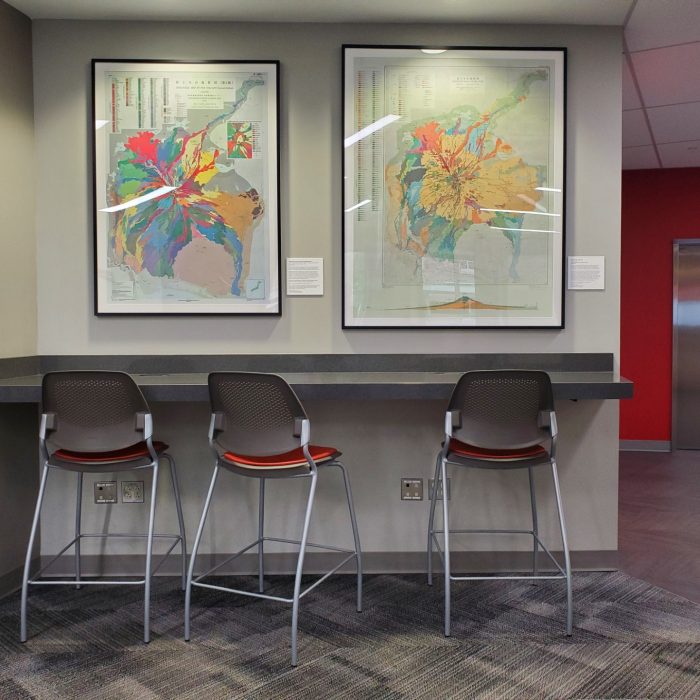
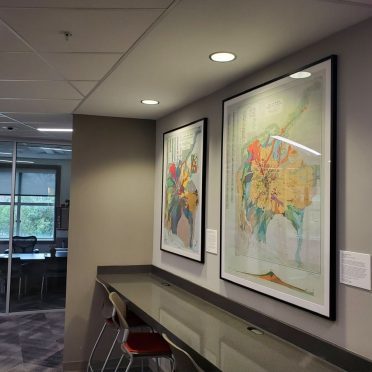
The following is a list of NHK dramas offered through the Japanese Studies Collections. Brief plot synopses for each series are provided along with links to their pages in the library’s catalog. Continue reading
The Ainu are the indigenous people of Japan, who now reside primarily on the island of Hokkaido. Ainu culture can be traced back hundreds of years. During their long history they developed their own unique music, singing styles, and musical instruments.
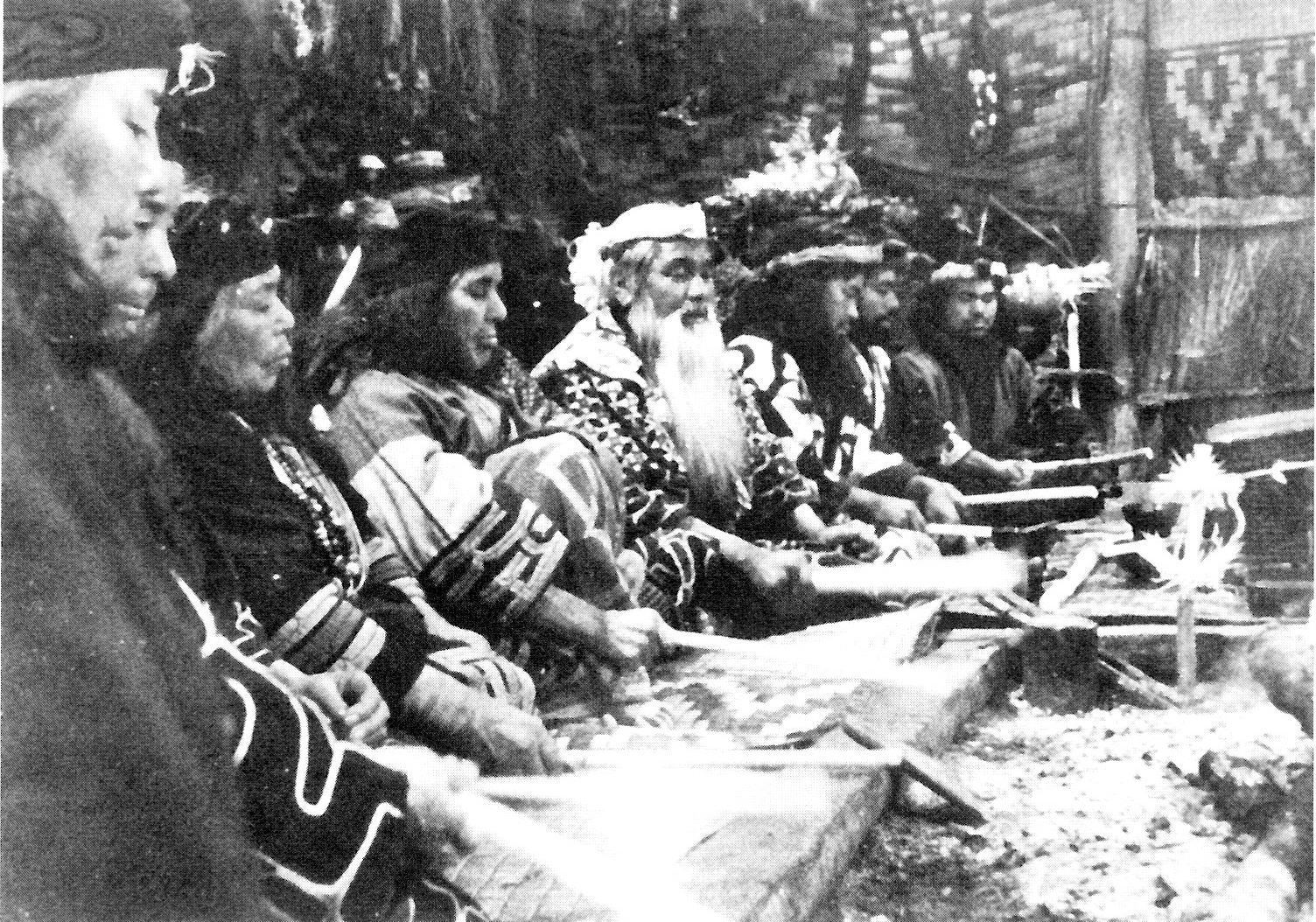
Yukar performed around a fireside from “Songs of Gods, Songs of Humans” by Donald L. Philippi
Yukar (ユーカラ) represent a form of Ainu storytelling. They are epic poems performed using a distinctive chant-like voice, and are generally performed without musical accompaniment. Yukar can be further divided into yukar of human heroes (英雄叙事詩) and kamui yukar ( カムイ・ユカラ) which are tales of gods and spirits.
Imekanu (イメカヌ also know by her Japanese name 金成 マツ) is a well-known yukar performer and transcribed yukar poems along with her niece Yukie Chiri (知里幸恵). Recording of Imekanu’s yukar performance are available through Rekion by using 金成イメカヌ as the search term. Below are a few examples : Continue reading
There is some uncertainty about the beginnings of jazz music in Japan, but some believe it started with an increase in luxury liners between Japan and the western coast of the United States. These liners were equipped with orchestras and bands that played for the passengers, and often this included jazz music. Passengers whose interest had been sparked would purchase records and sheet music at various ports of call during their travels. Continue reading

Maureen Donovan
Today we bid farewell to our Japanese Studies Librarian, Maureen Donovan. Maureen is retiring from OSUL after 37 years of service. An interview by Caitlin McGurk with Maureen on her career in OSUL and the development of the manga collection can be found here on the Billy Ireland Cartoon Library & Museum Blog.
Thank you, Maureen, for the years of inspiration and contribution!
Learning the everyday mannerisms necessary to operate in a foreign society like Japan can seem overwhelming. However, taking the time to research some common social practices can go a long way in deepening your understanding. For those looking to visit Japan, or those just researching at home, OSUL has numerous resources available on Japanese culture and etiquette. There are also studies, such as 在日留学生に必要なソーシャル・スキル (Necessary Social Skills for International Students in Japan) by 田中 共子(Tomoko Tanaka), 高井 次郎(Jiro Takai) and 神山 貴弥 (Takaya Kohyama), that analyze and give suggestions on how to successfully cope with these social difficulties. Continue reading
Yurii Kyogoku was a Serials Cataloger at OSU Libraries until her retirement in 1982. Born on April 13, 1916 near Hiroshima, Japan, Yurii came with her family to the United States in 1919 and graduated from the University of California at Berkeley.
When she retired and moved to Virginia, Yurii donated 523 volumes of Japanese books to the Ohio State University Libraries. Most of them were acquired by her father in California during the 20s and 30s, providing a rare glimpse into Japanese-American history. Continue reading
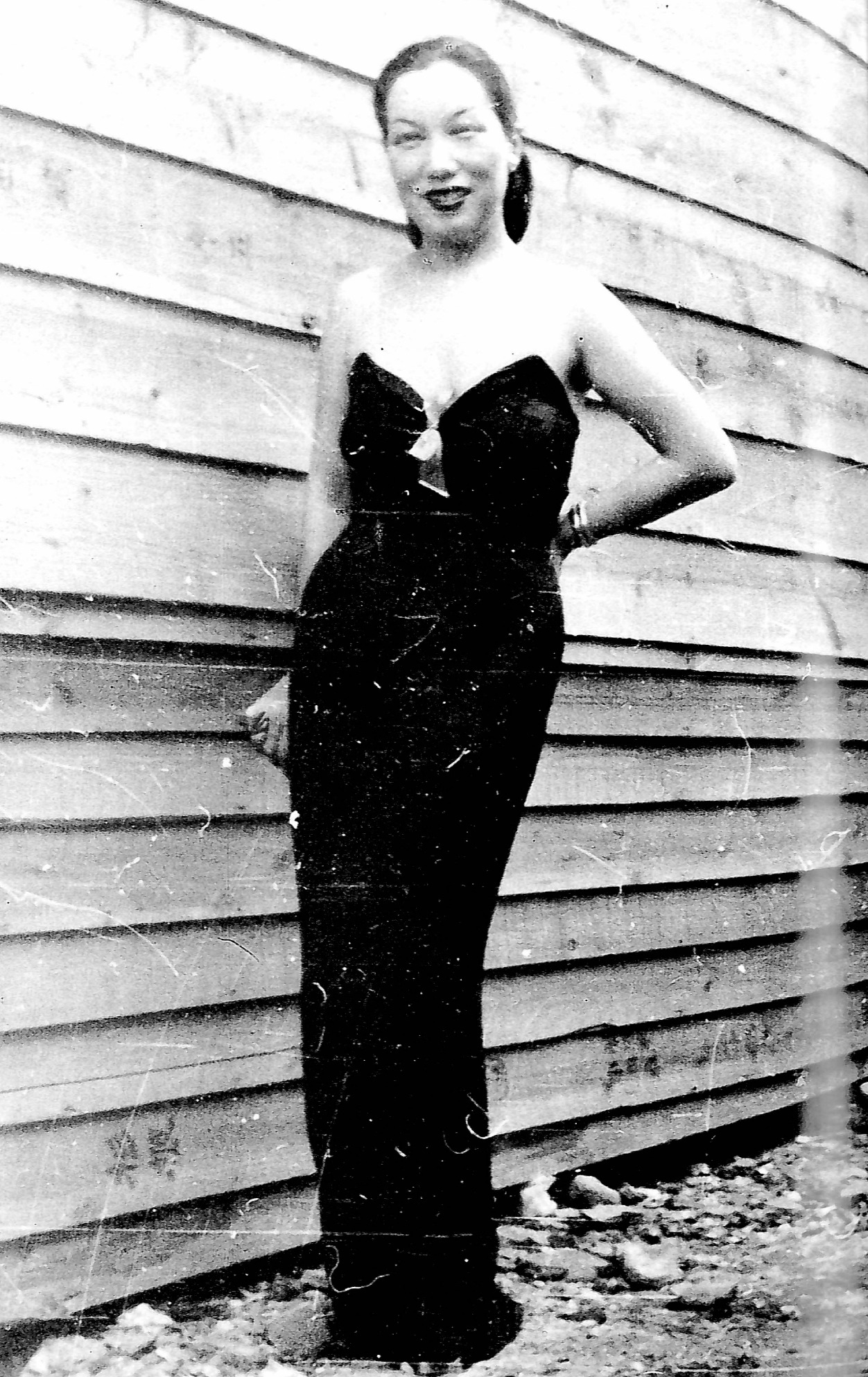
Noriko Awaya in her fifties. From 「淡谷のり子:わが放浪記」
Awaya Noriko (淡谷のり子) was a Japanese soprano and blues singer born in Aomori, Japan on August 12, 1907. Because her family was quite wealthy, she was able to go to school for a time at Toyo Conservatory of Music (東洋音楽学校, present day Tokyo College of Music). However, her father’s business became bankrupt and she was forced to leave school for a year, working part-time as a nude model. Eventually she returned to school, finished her studies, and began her 70-year long career. Her most famous songs include the 1937 hit 「別れのブルース」 (Wakare no burūsu) and 「雨のブルース」 (Ame no burūsu).
Rekion access in OSUL — Noriko Awaya’s popular songs can be found with the following Rekion identifiers:
- 「別れのブルース」
- info:ndljp/pid/2915506
- 「雨のブルース」
- info:ndljp/pid/8272244

© 2026 The Ohio State University - University Libraries
1858 Neil Avenue Mall, Columbus, OH 43210
Phone: (614) 292-OSUL (6785)
Request an alternate format of this page | Accessibility | Privacy Policy | Contact Us |