Category: News (page 6 of 10)

Focus on Rekion: NHK Radio Women’s 200 Meter Breaststroke

Rekion includes a very famous recording made at the 1936 Berlin Olympics, when NHK announcer Sansei Kasai (河西三省) abandoned his regular detachment as a journalist to cheer on Japanese swimmer Hideko Maehata (前畑秀子) as she edged out her German rival to win the gold medal in the 200 meter breaststroke event.

Hideko Maehata, 1936

Hideko Maehata, 1936 from 昭和日本史: スポーツ五十年.

  • Rekion access in OSUL – Rekion Identifier for the 1936 recording of NHK Radio Women’s 200 Meter Breaststroke 日本放送協会著作所有:水上競技実況放送(女子二百米平泳決勝)is “info:ndljp/pid/8273611”

Additional reading:

NOTE: This is one of a series of posts highlighting content available in Rekion (れきおん), the Historical recordings collection of the National Diet Library (Japan), which is available at a dedicated computer in the Music and Dance Library at Ohio State.  See the Introductory post in this series for more information about the database.
Focus on Rekion: Takarazuka

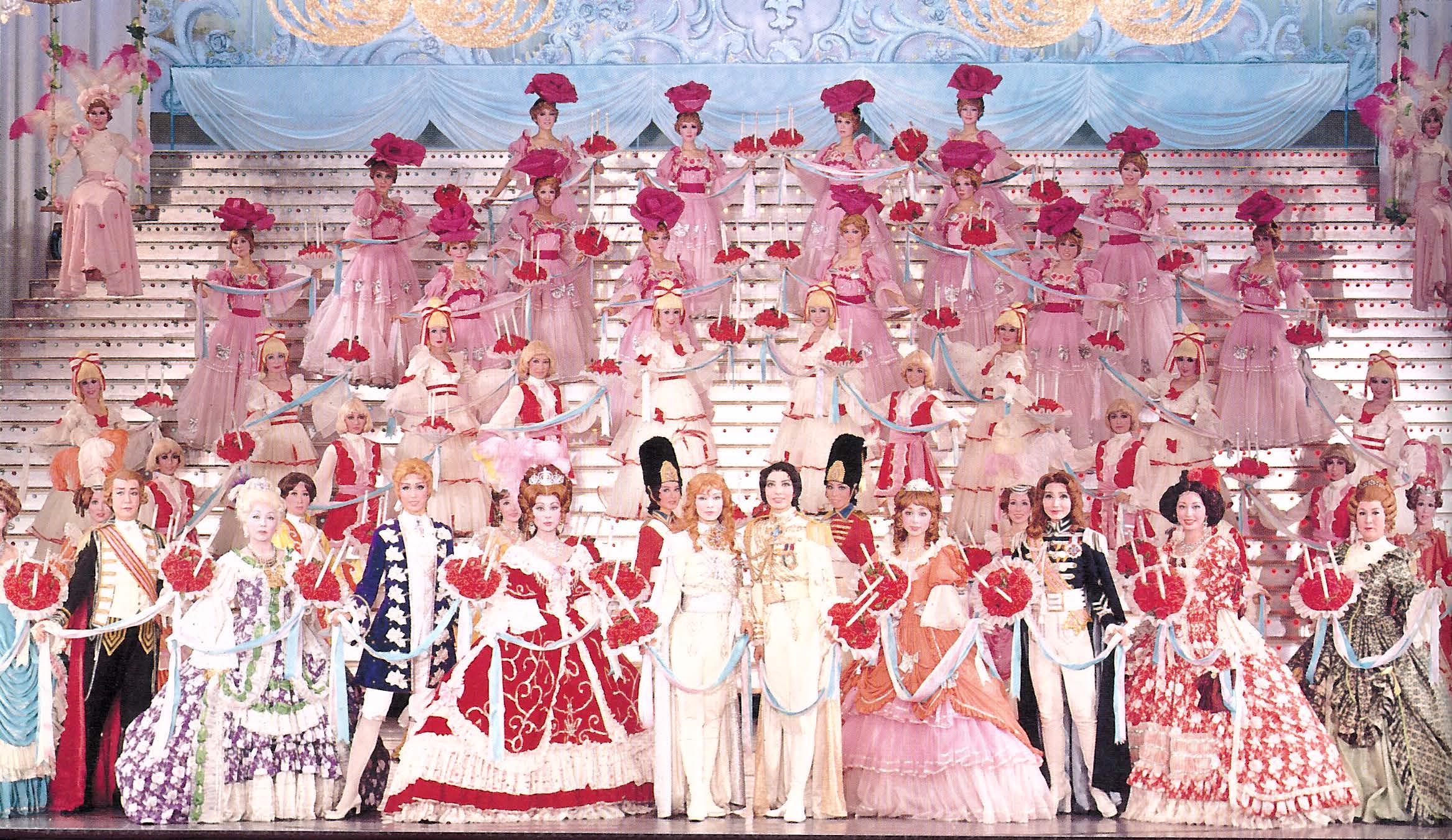
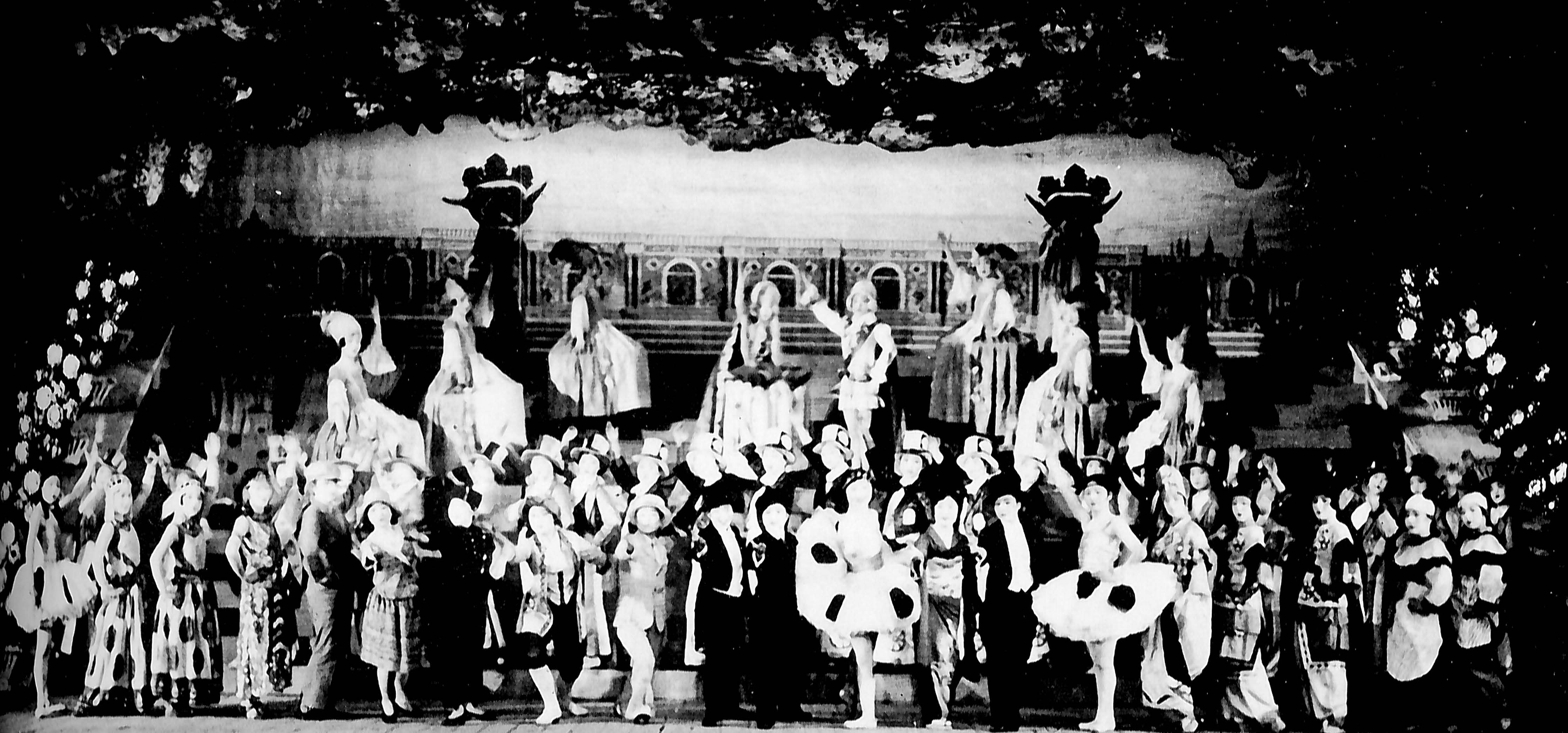
The sensational Takarazuka Revue began as The Takarazuka Girl’s Opera in 1914 as a way to attract guests to an up-and-coming tourist destination, and 100 years later continues to entertain the imaginations of audiences from across Japan. One of Takarazuka’s most well-known performances was a Japanese language adaptation of the popular revue show, Mon Paris (吾が巴里よ), which became the first revue in Japan. The Revue was named after the city in which it originated, Takarazuka, in Hyōgo prefecture.

Mon Paris, 「吾が巴里よ」

Mon Paris, 「吾が巴里よ」from 「夢を描いて華やかに:宝塚歌劇80年史」.

  • Rekion access in OSUL – A series of recordings from the Mon Paris performance are available through the following Rekion identifiers:
    • info:ndljp/pid/8269617
    • info:ndljp/pid/8269618
    • info:ndljp/pid/8269619
    • info:ndljp/pid/8269620
    • or by searching the keyword: “吾が巴里よ”.

Takarazuka and Osamu Tezuka:

Manga artist Osamu Tezuka (手塚治虫), creator of Astro Boy (鉄腕アトム) grew up in Takarazuka and his work was influenced by the theater group, particularly his manga Princess Knight (リボンの騎士) . After Tezuka’s manga gained notoriety, his stories were then adapted into several Takarazuka musicals. For more information about Tezuka and Takarazuka theater, see Tezuka in English by Ada Palmer.

Rose of Versailles 「ベルサイユのばら」, showing the mutual stylistic influence between Takarazuka and shōjo manga.

Rose of Versailles 「ベルサイユのばら」, showing the mutual stylistic influence between Takarazuka and shōjo manga, from 「夢を描いて華やかに:宝塚80年史」.

More information about Takarazuka is available through several resources in the OSU Library catalog. Continue reading

OSUL Website Update – New to the Collections

The Japanese Studies Collections at the Ohio State University Library are posting New to the Collections lists on our website. The lists are monthly updates of materials and resources added to our catalog. They include books, films, music records, and e-resources OSU library has acquired or received as gifts.

The titles are sorted by call numbers, and the hotlinks will take you to the item record in the OSU library catalog.  A new list is typically uploaded within the first week of each month, and most materials take a couple of weeks to be processed before reaching the shelves.

Please contact us if you have any questions or if you would like to suggest books or other resources for the library.

If you are interested in other East Asian topics, we also have New to the Collections list for the Chinese Studies Collections, and New to the Collections list for the Korean Studies Collections.


Focus on Rekion: Shinpei Nakayama (中山晋平)

As a continuation of the previous post about Shinpei Nakayama’s composition “Tokyo March”, this article will focus on Nakayama and his other well-known works.

Shinpei Nakayama (中山晋平) was born in 1887 in Nagano prefecture. He attended Tokyo School of Music (present day Tokyo University of the Arts).

One of his most beloved works is “The Gondola Song” (ゴンドラの唄, Gondora No Uta), which was used in Akira Kurosawa’s classic 1952 film, Ikiru (生きる). During his career, Nakayama composed a great number of popular melodies, including nearly 800 children’s songs, many of which were featured in the children’s picture magazine Kodomo No Kuni (Children’s Land).

  • Rekion access in OSUL – Rekion Identifier for the 1934 recording of The Gondola Song” (ゴンドラの唄 ) is “info:ndljp/pid/1322660”

Nakayama was active at a time when radical changes were occurring in the nature of Japanese music and performance. Continue reading

Focus on Rekion : 「東京行進曲」(Tōkyō Kōshinkyoku) “Tokyo March” composed by Shinpei Nakayama

Longing for the past when the streets in Ginza were lined with willow trees
A young beauty becomes a nobody with age
Dance to the jazz music and down liquor into the night
And the rain that is the tears of the dancers will sprinkle at the break of dawn.

Tokyo March (1929) Lyrics taken from the English subtitles in Tokyo March (1929), directed by Mizoguchi Kenji, in Talking Silents 1, DVD (Tokyo: Digital Meme, 2007)

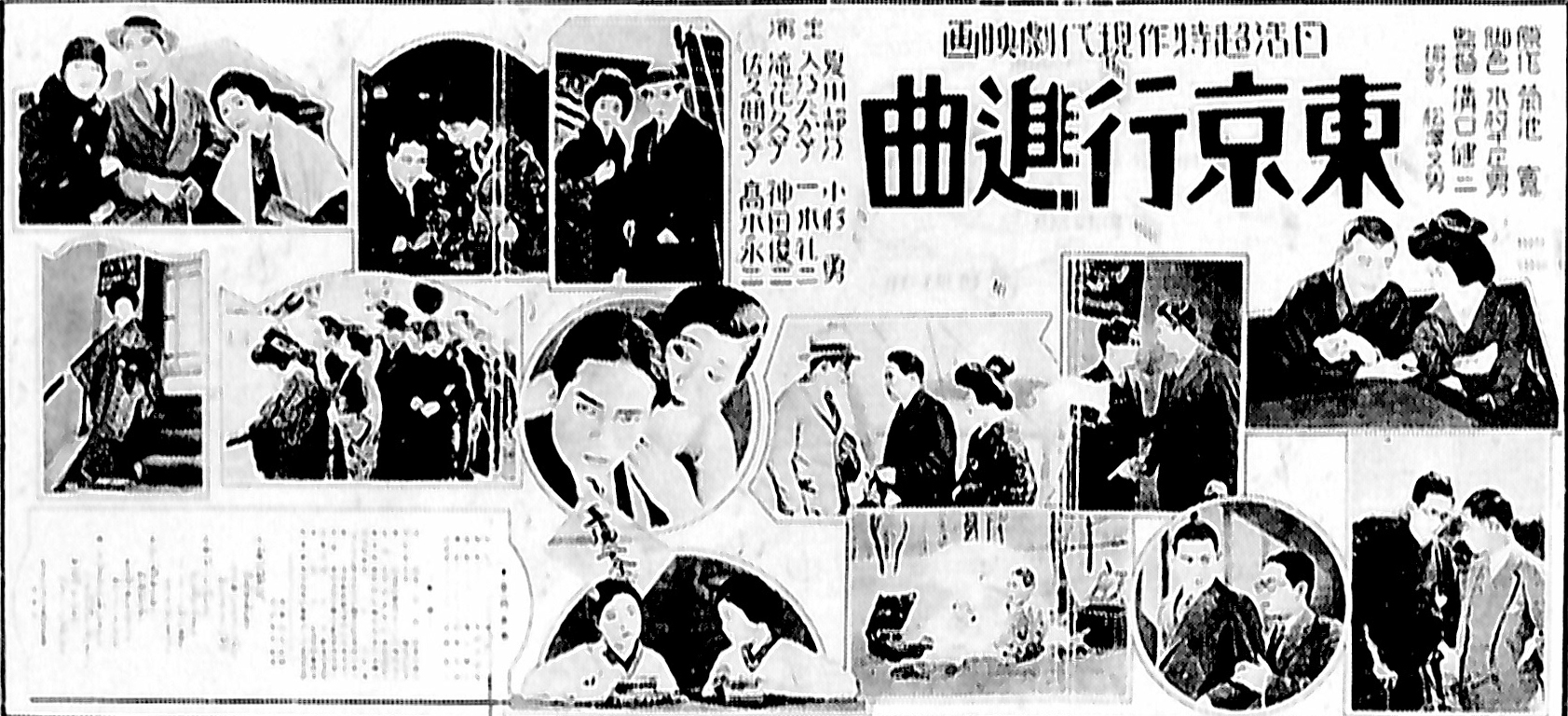
Movie Poster for Tokyo March from 完全版朝日クロニクル 20世紀 : 日本と世界の100年 v.2

Movie Poster for Tokyo March from 完全版朝日クロニクル 20世紀 : 日本と世界の100年 v.2

Shinpei Nakayama(中山晋平) was a Japanese composer known as “the father of popular music” who was active during the early 1900’s. Nakayama rose to fame when his composition “Tokyo March” (Tokyo Koshinkyoku) was used as the theme song for the 1929 movie by the same title directed by Mizoguchi Kenji. Upon the song’s release, “Tokyo March” came to be considered one of the first Japanese “pop” songs, selling an unprecedented 400,000 copies according to The Oxford Handbook of Japanese Cinema. The resounding success sparked the careers of Nakayama, the song’s lyricist, and the song’s performer Chiyako Sato (佐藤千夜子), which subsequently caused a surge in the country’s overall record production. Japan’s professional music industry was set into motion. Continue reading

Focus on Rekion : Introduction

Rekion Poster

The Ohio State University Library is proud to announce a new resource: 歴史的音源 the Japanese Historical Recordings Collection (Rekion). Compiled by the Recording Industry Association of Japan (RIAJ) in cooperation with the National Diet Library (NDL), this archive consists of approximately 50,000 digitized recordings from 1900-1950. A fraction of these recordings are available to the public through the National Diet Library Online Collections, but the majority of material is only available through libraries who have been granted special access. This year, OSU became the first (and currently the only) location in North America to be granted access to this database: Continue reading

History of Art 4001 bibliography presentation

HA 4001 Bibliography presentation October 15, 2014

1. ROMANIZATION:
Hint: Stay consistent in one system of romanization! (However – Search in multiple ways!! )
Libraries follow the Library of Congress. http://catalog.loc.gov/help/unicode.htm
Many systems have been and continue to be used: http://en.wikipedia.org/wiki/Romanization

2. GENERAL: OSU Libraries’ collections – Fine Arts, Thompson, Book Depository, etc
Fine Arts Library: http://library.osu.edu/find/subjects/art-and-history-of-art/
Japanese: http//library.osu.edu/find/subjects/Japanese-studies-resources/

Continue reading

Exhibit: World Perspectives on the Great War

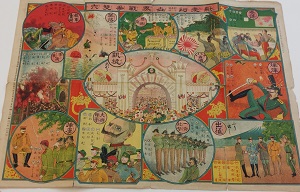
1915sugoroku_20140108_161821a

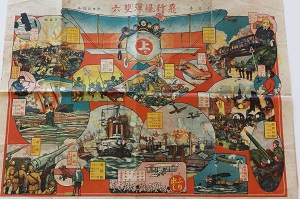
1918sugoroku_20140311_1328471

The exhibit “World Perspectives on the Great War” in the Thompson Library Exhibit Gallery (first floor) includes cases highlighting selected materials from the Libraries’ Area Studies collections. The exhibit is open through September 7th.

The Japan case presents two original WWI-era Japanese games (双六), along with board game reproductions of them that are set up for interactive play on a table in the exhibit area.

Come by to play these games and experience that era!

Related links:

Art in Taiwan

Below is a copy of a handout from today’s bibliography session in History of Art 5002 (Art of Taiwan).  I want to highlight one specialized bibliography (in addition to the general ones listed below) — What a great resource!

* Taiwan bibliography:

Chang, Yu-Chun; Wang, I-Chun; and Tötösy de Zepetnek, Steven. “Bibliography for the Study of Cultural Discourse in Taiwan.” CLCWeb: Comparative Literature and Culture (Library) (2010): http://docs.lib.purdue.edu/clcweblibrary/taiwanculturebibliography

Continue reading

English Language sources for Japanese news in Access World News Research Collection

The Libraries has recently started subscribing to Access World News Research Collection, offering access to more than 5,000 newspapers around the world. This includes six English language sources from Japan:

  1. Daily Yomiuri, The/The Yomiuri Shimbun 07/27/2001-03/31/2013 Tokyo Newspapers
  2. International Herald Tribune-Asahi Shimbun 12/22/2001-Current Tokyo Newspapers
  3. Japan Times, The 01/01/1999-Current Tokyo Newspapers
  4. JCN Network 12/19/2005-Current Tokyo Newswires
  5. JIJI 07/03/2004-Current Japan Newswires
  6. Kyodo News International, Inc. 04/29/2004-Current Tokyo Newswires

Moreover, Access World News Research Collection includes many other important sources such as The Financial Times (London) and newspapers from many Asian countries, providing in-depth coverage of Japanese news.

Older posts Newer posts