Category: News (page 5 of 10)

Herman J. Albrecht Library of Historical Architecture – Ginza Kaiwai (銀座界隈)

As Japan was recovering from World War II, Sōhachi Kimura (木村荘八), Yoshikazu Suzuki (鈴木芳一), and several others, set out to document the history and architecture of the Ginza district in Tokyo. The finished project, Ginza Kaiwai (銀座界隈), contains two separate volumes. The main volume has detailed text, illustrations, drawings, woodblock prints, and hand-drawn maps of the entire district. The supplement, Arubamu, Ginza Hatchō (アルバム・銀座八丁) by Suzuki, is a panoramic photo, folded in leporello style, documenting the length of the main boulevard Ginza-dori.  

Continue reading

Retirement – Maureen Donovan

Maureen Donovan

Maureen Donovan

Today we bid farewell to our Japanese Studies Librarian, Maureen Donovan. Maureen is retiring from OSUL after 37 years of service. An interview by Caitlin McGurk with Maureen on her career in OSUL and the development of the manga collection can be found here on the Billy Ireland Cartoon Library & Museum Blog.

Thank you, Maureen, for the years of inspiration and contribution!

Yurii Kyogoku Collection – Books with inscription by Itsuzo Kyogoku (京極 逸藏)

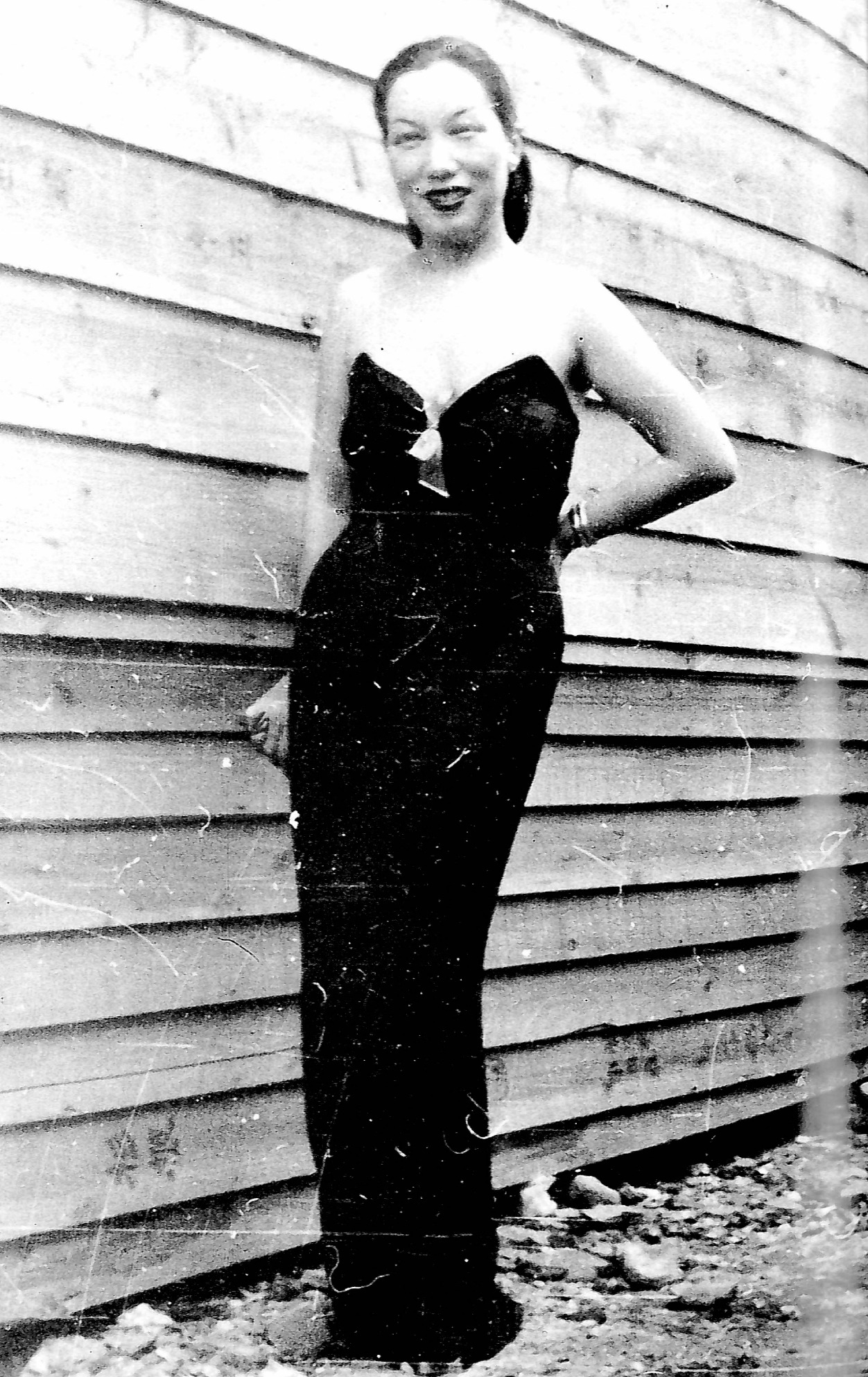
Yurii Kyogoku was a Serials Cataloger at OSU Libraries until her retirement in 1982. Born on April 13, 1916 near Hiroshima, Japan, Yurii came with her family to the United States in 1919 and graduated from the University of California at Berkeley.

When she retired and moved to Virginia, Yurii donated 523 volumes of Japanese books to the Ohio State University Libraries. Most of them were acquired by her father in California during the 20s and 30s, providing a rare glimpse into Japanese-American history. Continue reading

Focus on Rekion: Noriko Awaya (淡谷のり子)

Noriko Awaya in her fifties. From 「淡谷のり子:わが放浪記」

Awaya Noriko (淡谷のり子) was a Japanese soprano and blues singer born in Aomori, Japan on August 12, 1907. Because her family was quite wealthy, she was able to go to school for a time at Toyo Conservatory of Music (東洋音楽学校, present day Tokyo College of Music). However, her father’s business became bankrupt and she was forced to leave school for a year, working part-time as a nude model. Eventually she returned to school, finished her studies, and began her 70-year long career. Her most famous songs include the 1937 hit 「別れのブルース」 (Wakare no burūsu) and 「雨のブルース」 (Ame no burūsu).

Rekion access in OSUL — Noriko Awaya’s popular songs can be found with the following Rekion identifiers:

  • 「別れのブルース」
    • info:ndljp/pid/2915506
  • 「雨のブルース」
    • info:ndljp/pid/8272244

Continue reading

Focus on Rekion: Motoori Nagayo 本居長世

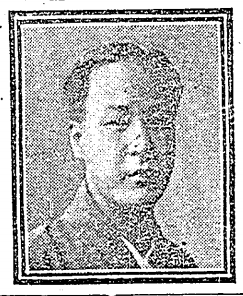
Nagayo Moto’ori, from 朝日新聞 January 12, 1917

Nagayo Motoori (本居長世) (1885-1945) was a Japanese composer known for children’s songs. Although his grandfather and guardian protested, he pursued a music degree at Tokyo School of Music (present day Tokyo University of the Arts) and began working there as a research assistant studying traditional Japanese music. He was well-known for his talent on the piano (for which he served as an assistant professor) but switched suddenly to composing due to a finger injury. During his employment at the university, he taught other important Japanese musicians such as Shinpei Nakayama. Continue reading

Focus on Rekion: Shōchiku Kagekidan 松竹歌劇団

The Shōchiku Kagekidan (松竹歌劇団) was an all female revue and musical troupe that lasted from 1928 to 1996, and rivaled the famed Takarazuka Kagekidan (宝塚歌劇団). Continue reading

Focus on Rekion: Musei Tokugawa (徳川夢声)

Tokugawa in 1961, from 「徳川夢声と出会った」

Tokugawa in 1961, from 「徳川夢声と出会った」


Musei Tokugawa (徳川夢声) was a multi-talented performer known for his silent film narrations, film and radio appearances, as well as for authoring numerous essays and novels.

He was born in 1894 in Shimane prefecture. His career began as a benshi (弁士), or a narrator of silent films. He enjoyed success in this realm until the end of the silent film era. From there, he began appearing in film and television as an actor, as well as storytelling through radio.

Some of Tokugawa’s stories can be heard at the Rekion station at the OSUL Music/Dance Library by searching the following access codes, or by searching 「徳川夢声」. Continue reading

Focus on Rekion: Exercise Recordings – ラジオ体操

Typical calisthenics routine from Illustrated "Salaryman" in Japan

Typical calisthenics routine from Illustrated “Salaryman” in Japan (Click the image for the book in the OSUL Catalog).

One unique characteristic of daily life in Japan is mass participation in morning calisthenics routines. Particularly noticeable are construction workers who can be observed stretching outside at construction sites, but  the routines are also common in a range of spaces from kindergartens to offices.

These radio-broadcast routines were originally brought from the U.S. in the 1920’s, (detailed timeline is available on かんぽ生命 website) but contrary to their American counterparts, the exercises continue to be a part of daily Japanese life.

In 1931, the Radio Taisō Song (ラジオ体操の歌) was released and for many represented the beginning of the day. The broadcasts were banned for a period following the war, but were revived with the addition of a new theme song in 1951.


Rekion access in OSUL – There are several versions of the  Radio Taisō Song available through Rekion. Continue reading

Focus on Rekion: NHK Radio Women’s 200 Meter Breaststroke

Rekion includes a very famous recording made at the 1936 Berlin Olympics, when NHK announcer Sansei Kasai (河西三省) abandoned his regular detachment as a journalist to cheer on Japanese swimmer Hideko Maehata (前畑秀子) as she edged out her German rival to win the gold medal in the 200 meter breaststroke event.

Hideko Maehata, 1936

Hideko Maehata, 1936 from 昭和日本史: スポーツ五十年.

  • Rekion access in OSUL – Rekion Identifier for the 1936 recording of NHK Radio Women’s 200 Meter Breaststroke 日本放送協会著作所有:水上競技実況放送(女子二百米平泳決勝)is “info:ndljp/pid/8273611”

Additional reading:

NOTE: This is one of a series of posts highlighting content available in Rekion (れきおん), the Historical recordings collection of the National Diet Library (Japan), which is available at a dedicated computer in the Music and Dance Library at Ohio State.  See the Introductory post in this series for more information about the database.

Focus on Rekion: Takarazuka

The sensational Takarazuka Revue began as The Takarazuka Girl’s Opera in 1914 as a way to attract guests to an up-and-coming tourist destination, and 100 years later continues to entertain the imaginations of audiences from across Japan. One of Takarazuka’s most well-known performances was a Japanese language adaptation of the popular revue show, Mon Paris (吾が巴里よ), which became the first revue in Japan. The Revue was named after the city in which it originated, Takarazuka, in Hyōgo prefecture.

Mon Paris, 「吾が巴里よ」

Mon Paris, 「吾が巴里よ」from 「夢を描いて華やかに:宝塚歌劇80年史」.

  • Rekion access in OSUL – A series of recordings from the Mon Paris performance are available through the following Rekion identifiers:
    • info:ndljp/pid/8269617
    • info:ndljp/pid/8269618
    • info:ndljp/pid/8269619
    • info:ndljp/pid/8269620
    • or by searching the keyword: “吾が巴里よ”.

Takarazuka and Osamu Tezuka:

Manga artist Osamu Tezuka (手塚治虫), creator of Astro Boy (鉄腕アトム) grew up in Takarazuka and his work was influenced by the theater group, particularly his manga Princess Knight (リボンの騎士) . After Tezuka’s manga gained notoriety, his stories were then adapted into several Takarazuka musicals. For more information about Tezuka and Takarazuka theater, see Tezuka in English by Ada Palmer.

Rose of Versailles 「ベルサイユのばら」, showing the mutual stylistic influence between Takarazuka and shōjo manga.

Rose of Versailles 「ベルサイユのばら」, showing the mutual stylistic influence between Takarazuka and shōjo manga, from 「夢を描いて華やかに:宝塚80年史」.

More information about Takarazuka is available through several resources in the OSU Library catalog. Continue reading

Older posts Newer posts