Category: Digital resources (page 3 of 4)

Focus on Rekion: Takarazuka

The sensational Takarazuka Revue began as The Takarazuka Girl’s Opera in 1914 as a way to attract guests to an up-and-coming tourist destination, and 100 years later continues to entertain the imaginations of audiences from across Japan. One of Takarazuka’s most well-known performances was a Japanese language adaptation of the popular revue show, Mon Paris (吾が巴里よ), which became the first revue in Japan. The Revue was named after the city in which it originated, Takarazuka, in Hyōgo prefecture.
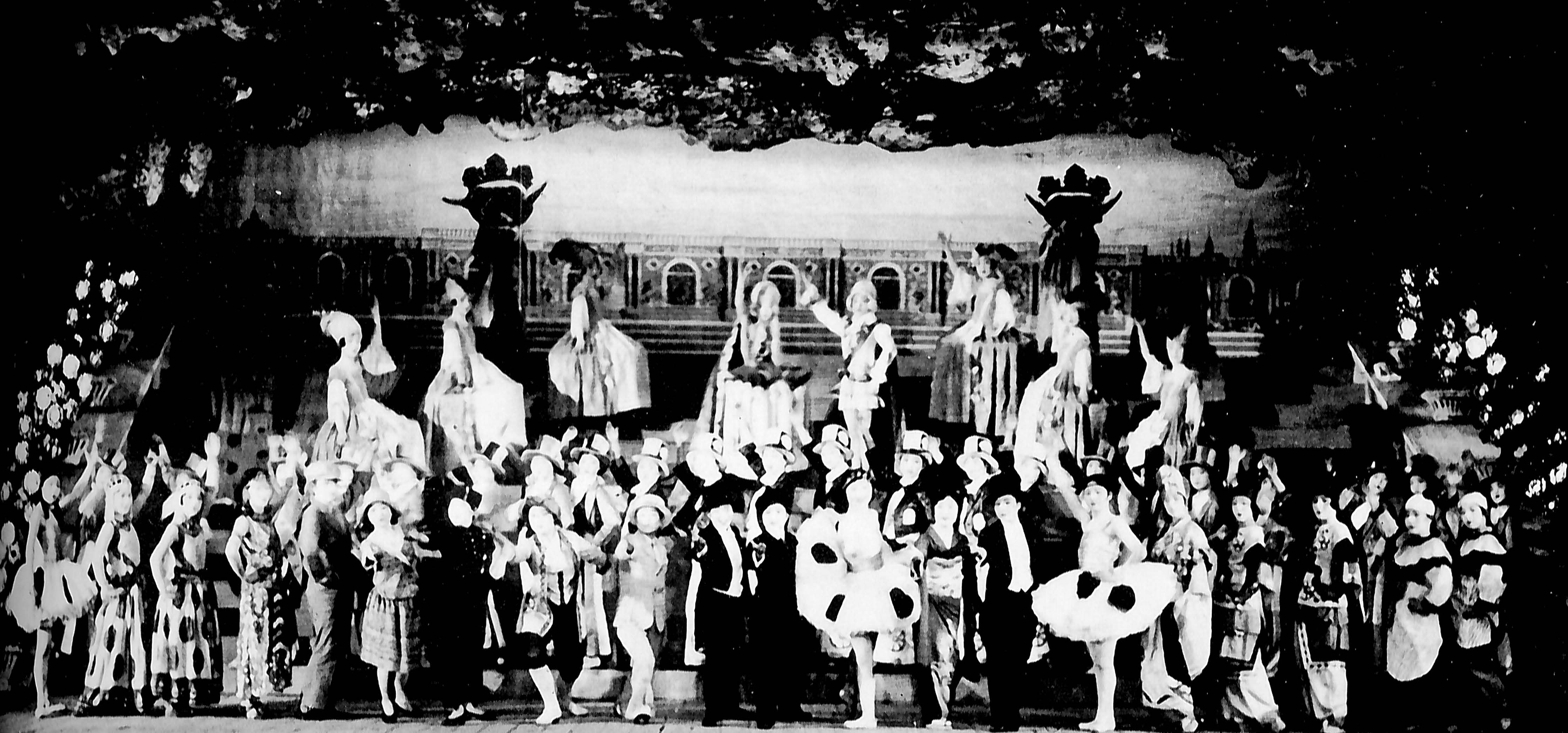
Mon Paris, 「吾が巴里よ」

Mon Paris, 「吾が巴里よ」from 「夢を描いて華やかに:宝塚歌劇80年史」.

  • Rekion access in OSUL – A series of recordings from the Mon Paris performance are available through the following Rekion identifiers:
    • info:ndljp/pid/8269617
    • info:ndljp/pid/8269618
    • info:ndljp/pid/8269619
    • info:ndljp/pid/8269620
    • or by searching the keyword: “吾が巴里よ”.

Takarazuka and Osamu Tezuka:

Manga artist Osamu Tezuka (手塚治虫), creator of Astro Boy (鉄腕アトム) grew up in Takarazuka and his work was influenced by the theater group, particularly his manga Princess Knight (リボンの騎士) . After Tezuka’s manga gained notoriety, his stories were then adapted into several Takarazuka musicals. For more information about Tezuka and Takarazuka theater, see Tezuka in English by Ada Palmer.
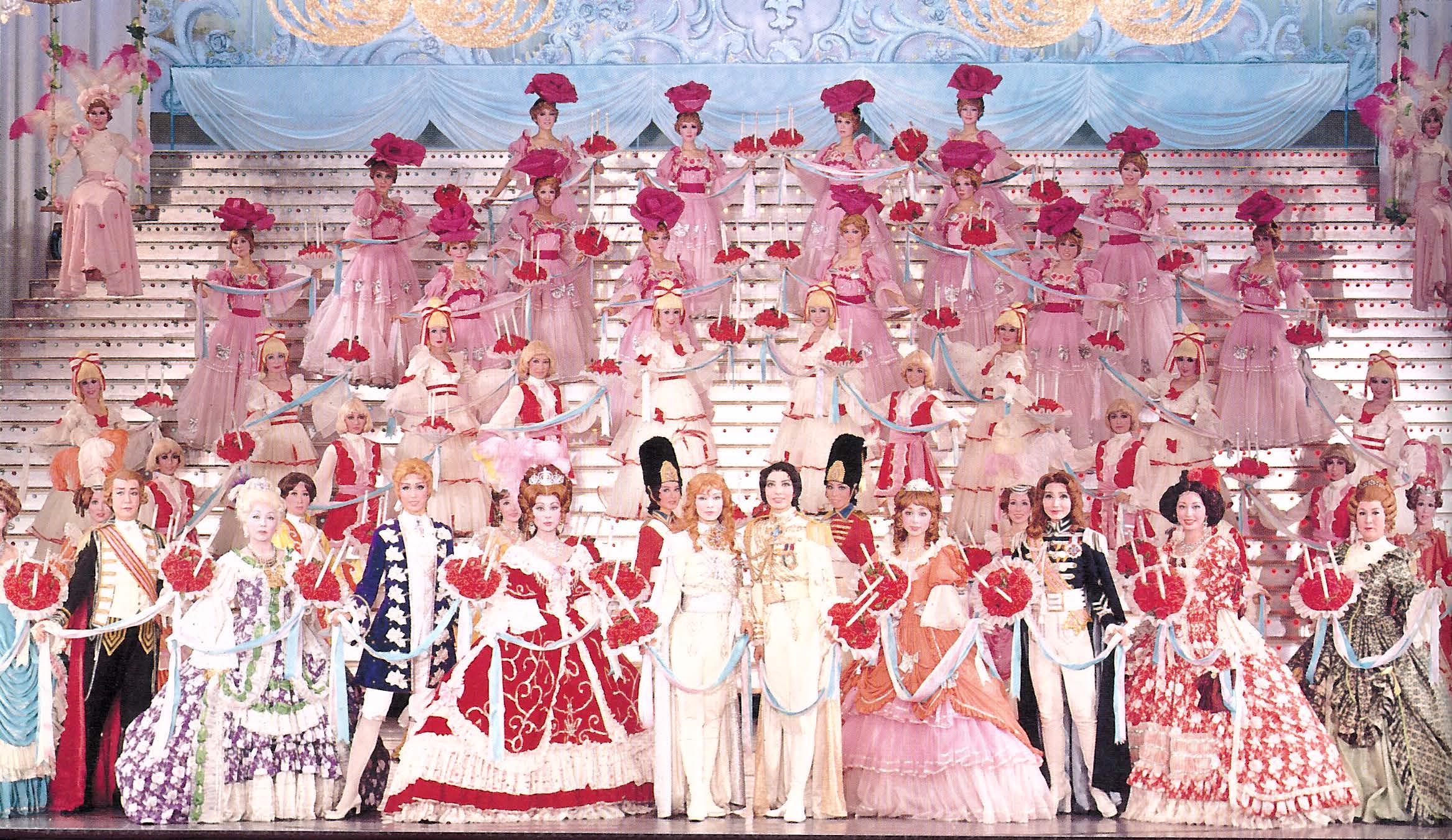
Rose of Versailles 「ベルサイユのばら」, showing the mutual stylistic influence between Takarazuka and shōjo manga.

Rose of Versailles 「ベルサイユのばら」, showing the mutual stylistic influence between Takarazuka and shōjo manga, from 「夢を描いて華やかに:宝塚80年史」.

More information about Takarazuka is available through several resources in the OSU Library catalog. Continue reading
Focus on Rekion: Shinpei Nakayama (中山晋平)

As a continuation of the previous post about Shinpei Nakayama’s composition “Tokyo March”, this article will focus on Nakayama and his other well-known works.

Shinpei Nakayama (中山晋平) was born in 1887 in Nagano prefecture. He attended Tokyo School of Music (present day Tokyo University of the Arts).

One of his most beloved works is “The Gondola Song” (ゴンドラの唄, Gondora No Uta), which was used in Akira Kurosawa’s classic 1952 film, Ikiru (生きる). During his career, Nakayama composed a great number of popular melodies, including nearly 800 children’s songs, many of which were featured in the children’s picture magazine Kodomo No Kuni (Children’s Land).

  • Rekion access in OSUL – Rekion Identifier for the 1934 recording of The Gondola Song” (ゴンドラの唄 ) is “info:ndljp/pid/1322660”

Nakayama was active at a time when radical changes were occurring in the nature of Japanese music and performance. Continue reading

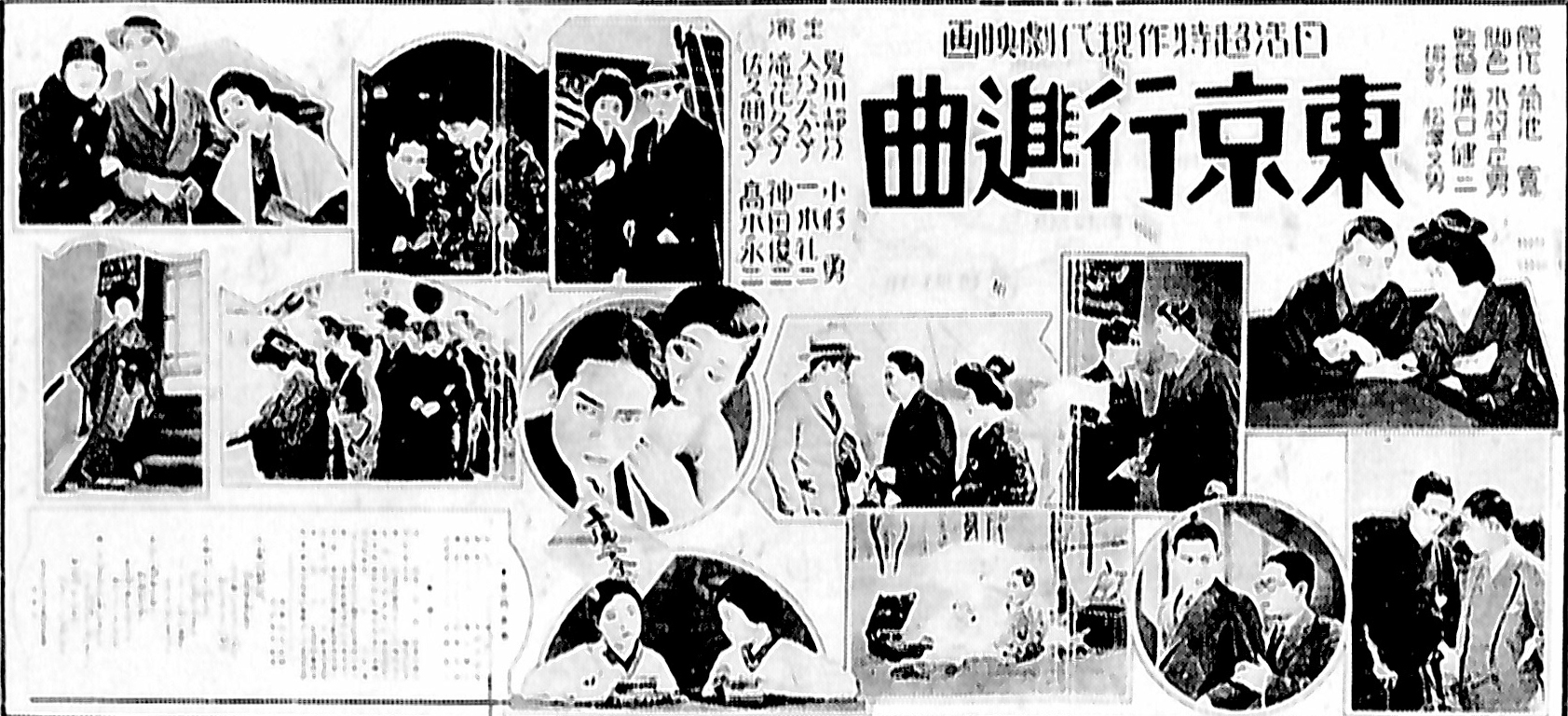
Focus on Rekion : 「東京行進曲」(Tōkyō Kōshinkyoku) “Tokyo March” composed by Shinpei Nakayama

Longing for the past when the streets in Ginza were lined with willow trees
A young beauty becomes a nobody with age
Dance to the jazz music and down liquor into the night
And the rain that is the tears of the dancers will sprinkle at the break of dawn.

Tokyo March (1929) Lyrics taken from the English subtitles in Tokyo March (1929), directed by Mizoguchi Kenji, in Talking Silents 1, DVD (Tokyo: Digital Meme, 2007)

Movie Poster for Tokyo March from 完全版朝日クロニクル 20世紀 : 日本と世界の100年 v.2

Movie Poster for Tokyo March from 完全版朝日クロニクル 20世紀 : 日本と世界の100年 v.2

Shinpei Nakayama(中山晋平) was a Japanese composer known as “the father of popular music” who was active during the early 1900’s. Nakayama rose to fame when his composition “Tokyo March” (Tokyo Koshinkyoku) was used as the theme song for the 1929 movie by the same title directed by Mizoguchi Kenji. Upon the song’s release, “Tokyo March” came to be considered one of the first Japanese “pop” songs, selling an unprecedented 400,000 copies according to The Oxford Handbook of Japanese Cinema. The resounding success sparked the careers of Nakayama, the song’s lyricist, and the song’s performer Chiyako Sato (佐藤千夜子), which subsequently caused a surge in the country’s overall record production. Japan’s professional music industry was set into motion. Continue reading

Focus on Rekion : Introduction

Rekion Poster

The Ohio State University Library is proud to announce a new resource: 歴史的音源 the Japanese Historical Recordings Collection (Rekion). Compiled by the Recording Industry Association of Japan (RIAJ) in cooperation with the National Diet Library (NDL), this archive consists of approximately 50,000 digitized recordings from 1900-1950. A fraction of these recordings are available to the public through the National Diet Library Online Collections, but the majority of material is only available through libraries who have been granted special access. This year, OSU became the first (and currently the only) location in North America to be granted access to this database: Continue reading

Japanese e-resources workshop on Friday!

 Where:  Thompson Library Rm 352        When: Friday, April 11, 1:00-3:00

April is the season when many Japanese e-resource and web site providers upgrade their offerings. Attend this workshop and gain information on:

Bring your questions related to digital resources from Japan. For more information, or if the scheduled time for this workshop is not convenient, contact Maureen Donovan, Japanese Studies Librarian at donovan.1@osu.edu, or Amy Hwang, East Asian Studies Program Assistant at hwang.414@osu.edu. Additional workshops or individual consultations can be setup by request.

Japanese news in Factiva

Factiva, a database published by Dow Jones & Reuters, is a major source for Japanese news!

I really applaud Factiva for including so many Japanese (and other language) sources which are listed below! To access Japanese language sources, just search in Japanese characters. Continue reading

Japanese Literature: Collections

Tokyo Metropolitan Library Guides:

Major Collectanea:

古典文庫総目錄 (1991): 2d FL  Z3308.L5 Y67 1991
古典文庫総目錄 : 続 (2003): 2d FL  Z3308.L5 Y67 2003

Hard copy: Thompson 2d FL: http://library.ohio-state.edu/record=b2136009~S7
CD-ROM in OSU Libraries: http://library.ohio-state.edu/record=b5755741~S7
(NOTE: There is a new DVD version: http://www.kadokawa.co.jp/sp/201211-06/ )

guide: http://library.ohio-state.edu/record=b4428776~S7

Online Resources:

古典選集本文データベースhttp://base1.nijl.ac.jp/~anthologyfulltext/


Japanese newspaper subscriptions at OSU

Here are the current Japanese newspaper subscriptions — with complete historical coverage in most cases:


Japanese Dictionary Apps

Here are a few Japanese dictionary apps:


http://kotobank.jp/

Hakubunkan’s Taiyō (1895-1928) full text!

The Libraries’ subscription for access to Meiji-era issues of Taiyō (太陽), published by Hakubunkan (博文館) during 1895-1928, is now set up, with access available for Ohio State faculty, students and staff: http://library.ohio-state.edu/record=b7114669~S7

Taiyo 3:12 (June 1897) exhibited at Yamaguchi Prefectural Library


e-resour
Published by Hakubunkan during January 1895 to February 1928 in 34 volumes (531 issues; 175,000 pages), Taiyō (The Sun) was Japan’s first general interest popular magazine. Continue reading

Older posts Newer posts