From Woody's Couch

Our Playbook on OSU History

Page 14 of 105

A Passage to India: Diary documents professor’s contributions to agriculture programs on subcontinent

Written by Christina Holmes

In September 1955, a team of four faculty members from The Ohio State University’s College of Agriculture travelled to India. The purpose of their trip was to aid in establishing and maintaining an agricultural education system in remote areas. As a joint venture between the university and the International Cooperation Administration – now the United States Agency for International Development – the Ohio State team’s objective was to assist in the establishment of agricultural universities in the states and territories of Punjab, Haryana, and Himachal Pradesh, and to provide them with the capacity to plan and administer statewide programs in agricultural teaching, research, and extension education.[1] The team from Ohio State included Prof. Thomas Sutton, assistant dean of the College of Agriculture; Prof. Everett L. Dakan, the Department of Poultry Husbandry; Prof. Charles L. Blackman, Department of Dairy Science; and Prof. Jacob B. Schmidt, Department of Rural Sociology.[2] The team was based out of the Government College of Agriculture in Ludhiana, Punjab.

Chandigarh school faculty
viewing a corn field, 1956

Professor Schmidt recorded his experience in India between April 1956 and August 1957 in a series of diaries that his family recently donated to the University Archives. In addition to Prof. Schmidt’s diaries, also acquired (was) is the diary of his wife, Lorene Schmidt, dated between September 1955 and January 1956. Combined, the three diaries provide valuable insight on the trials and tribulations of the agricultural program, as well a peek into the inner thoughts of Prof. and Mrs. Schmidt. Mrs. Schmidt’s diary also includes detailed accounts on the couple’s travels on their way to India.

Professor Schmidt and his wife, Lorene, 1957

Professor and Mrs. Schmidt left Ohio on September 22, 1955, and made numerous stops along the way that included brief stays in New York, London, Paris, and Rome before arriving in Bombay on October 6. Mrs. Schmidt’s diary includes complaints regarding missing hotel reservations, reviews for superior and inadequate restaurant fare, weather reports, and details of their tourist excursions. It becomes evident at one point that Mrs. Schmidt had become tiresome of sightseeing.  On October 15, 1955, she wrote, “Took 2 taxis over to TCM – from there went on a tour of 7 cities in and around New Delhi & Old D. A lot of ruins. Have seen so many am getting tired of it.” Mrs. Schmidt also never failed to include even the most insignificant of details. For example, on October 5, 1955, she wrote that a small box of Tide detergent cost $1.00 in Rome and that she did not purchase it.

An exhibit for insect control, 1956

Professor Schmidt’s diaries, however, tell a different story than that of his wife’s. Although he was also meticulous with his inclusion of miniscule details – such as whom he received letters from on a particular day, or what he had for each meal – it becomes clear that he felt as though he was fighting an uphill battle when it came to his objective in India: “After all these less than 2 years in India cannot be counted too long as measured by a life time. Yet, there is a hauntingly empty feeling that I have not nearly achieved fulfillment of mission in India. Only sporadically have I felt that my efforts have been productive and fruitful.” Faced with unfamiliar roadblocks, such as religious and cultural differences, lack of supplies, government involvement, and student attendance (or lack thereof), Schmidt’s hands were often tied and his frustrations were frequently expressed through his writing.  On July 2, 1957, 36 days prior to his departure from India, he wrote, “More than halfway through another year. This time in India has not added an unalloyed richness to a productive life. In fact, the frustrations and inconveniences, if not hardships (for an older person) have more often than not been the center of thinking. This is bad, but it is true.”
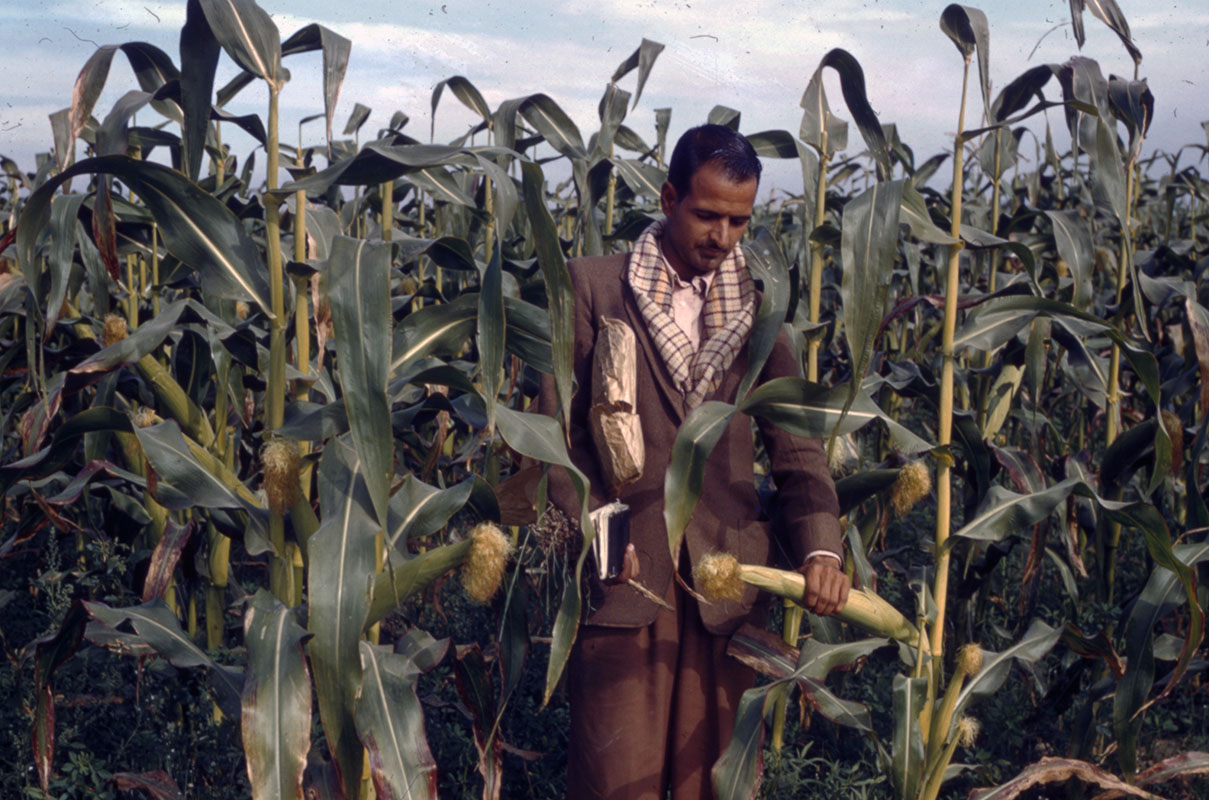
Chandigarh school faculty
in a corn hybrid field, 1956

Although Professor Schmidt only spent two years in India, the joint project between The Ohio State University and USAID continued long after his departure. In October 1961 the local government in the state of Punjab passed legislation to establish the Punjab Agricultural University, with assistance from OSU team members.[3]  Professor Schmidt may have felt that his time spent in India was fruitless, but it paved the way for a series of comprehensive improvements in the years that followed in the Punjab state. By 1964, the end of the initial nine-year regional contract, Ohio State team members helped to develop new university courses and youth programs, introduced new equipment and teaching methods, provided advanced training for 102 Indians in the U.S., and helped develop agricultural curricula, including a Master’s degree program in Farm Management at Punjab Agricultural University.[4]
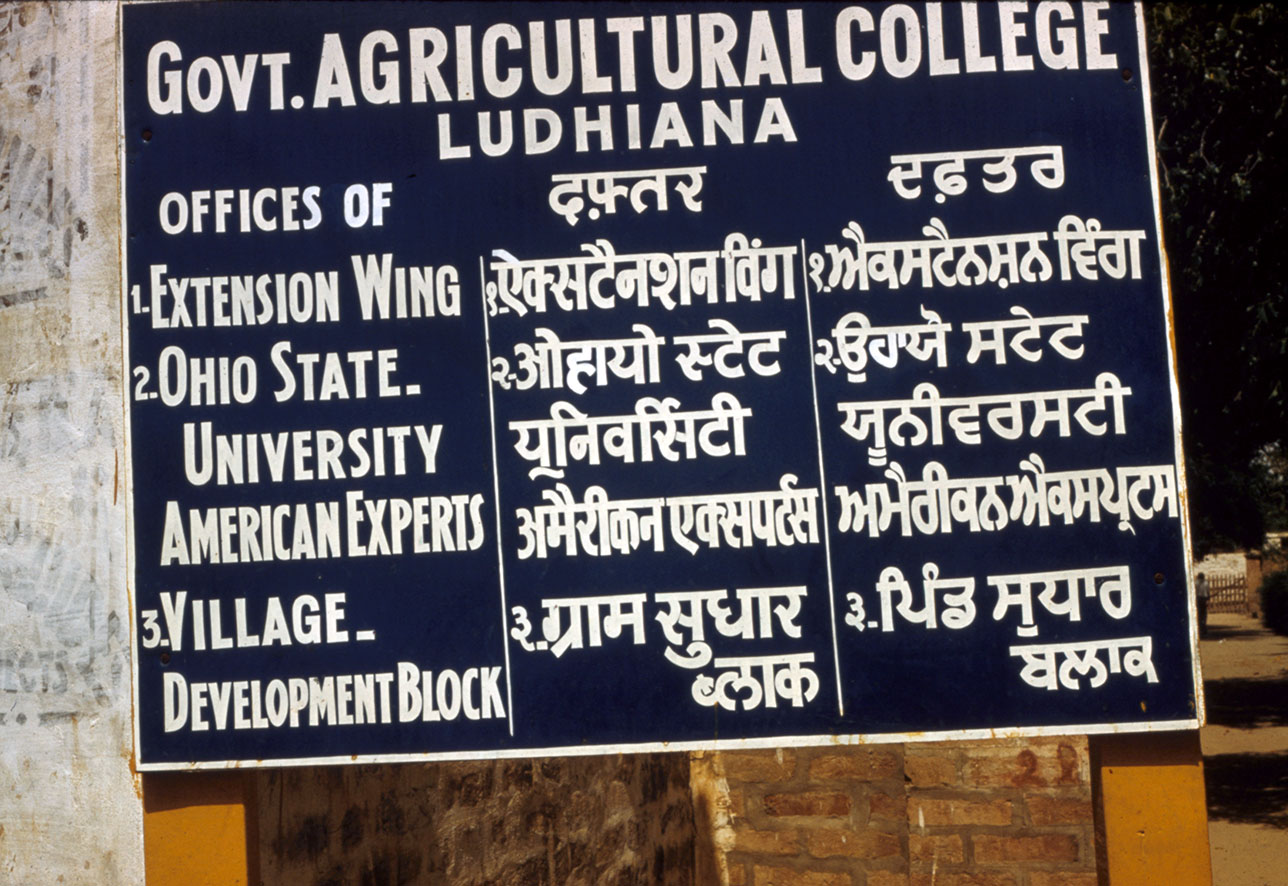
Agriculture Extension Sign
at the OSU Office in India, 1957

In his last diary entry on December 31, 1957, Professor Schmidt wrote, “Of mother it was said it is good to be great, but it is greater to be good. So may it be said of me.” Although he left India without feeling any sense of great accomplishment, it was his consistent effort, dedication, and time spent attempting to enrich the lives of others that established Professor Schmidt’s true goodness. Professor Schmidt passed away in April 1965, and therefore never knew the totality of the extensive agricultural advances in India he helped pioneer. However, may it be said that his time spent in India was not as wasteful as he believed, but rather contributed to the overall success of the agricultural program in which he partook.

[1] AID-University Rural Development Contracts: 1951-1966 (Urbana, Illinois), June 1968; 59.

[2] “India’s Agriculture Gets Help,” Ohio State Lantern (Columbus, Ohio), October 10, 1956.

[3] Terminal Report: USAID Contract /Nesa-14. November 1, 1964-June 30, 1973; 15.

[4] Terminal Report: USAID Contract /Nesa-14. November 1, 1964-June 30, 1973; 18-19
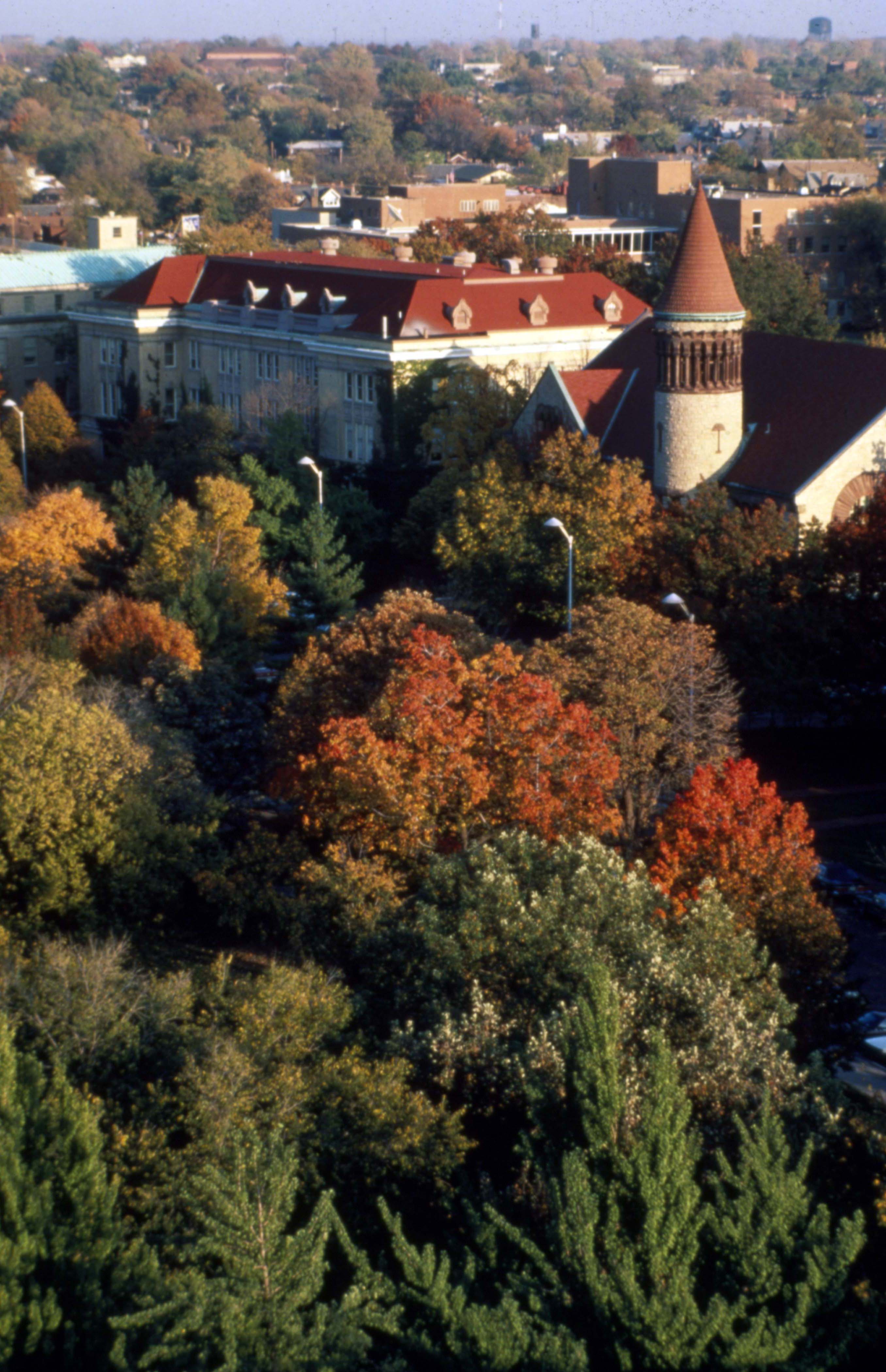
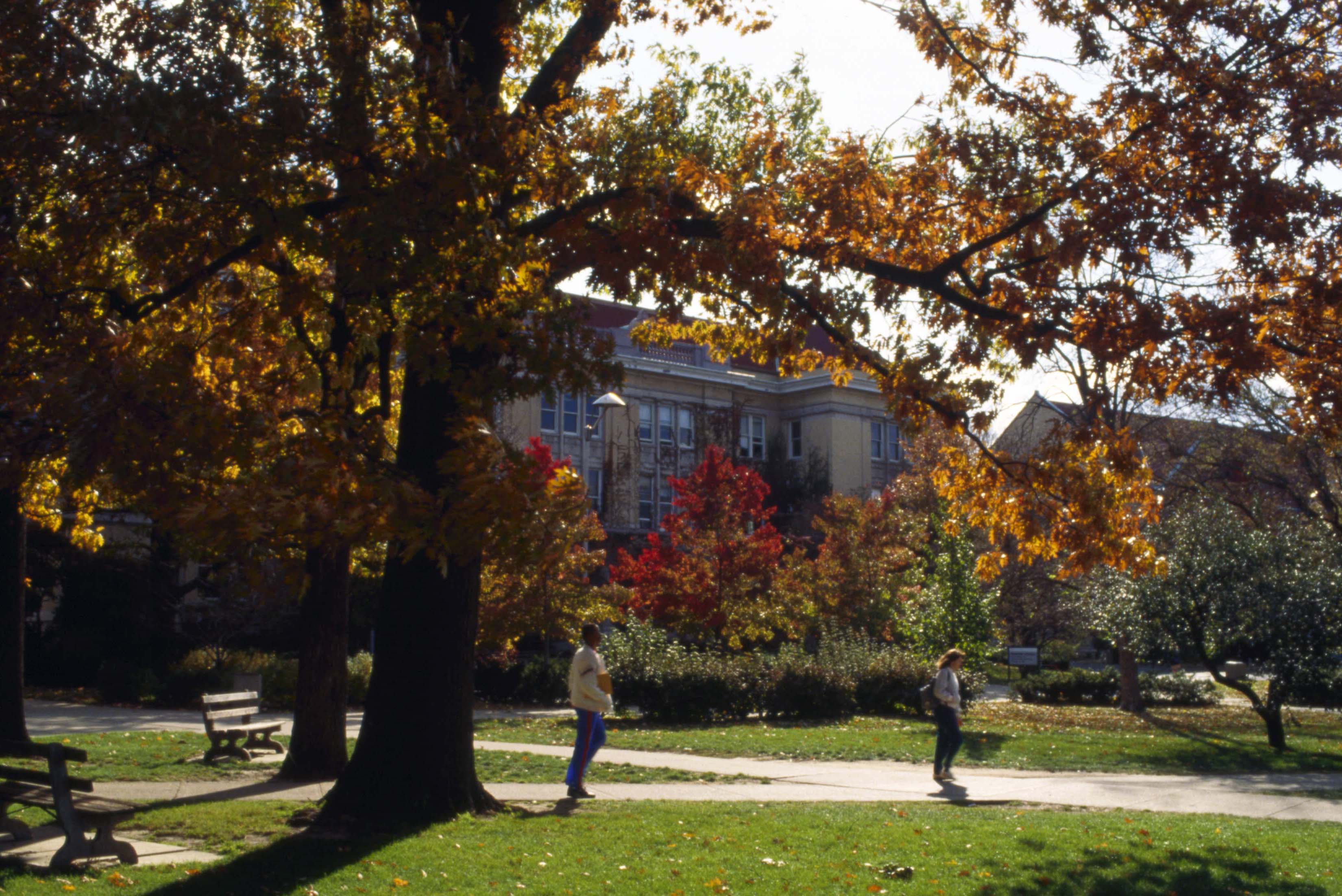
Autumn is here!

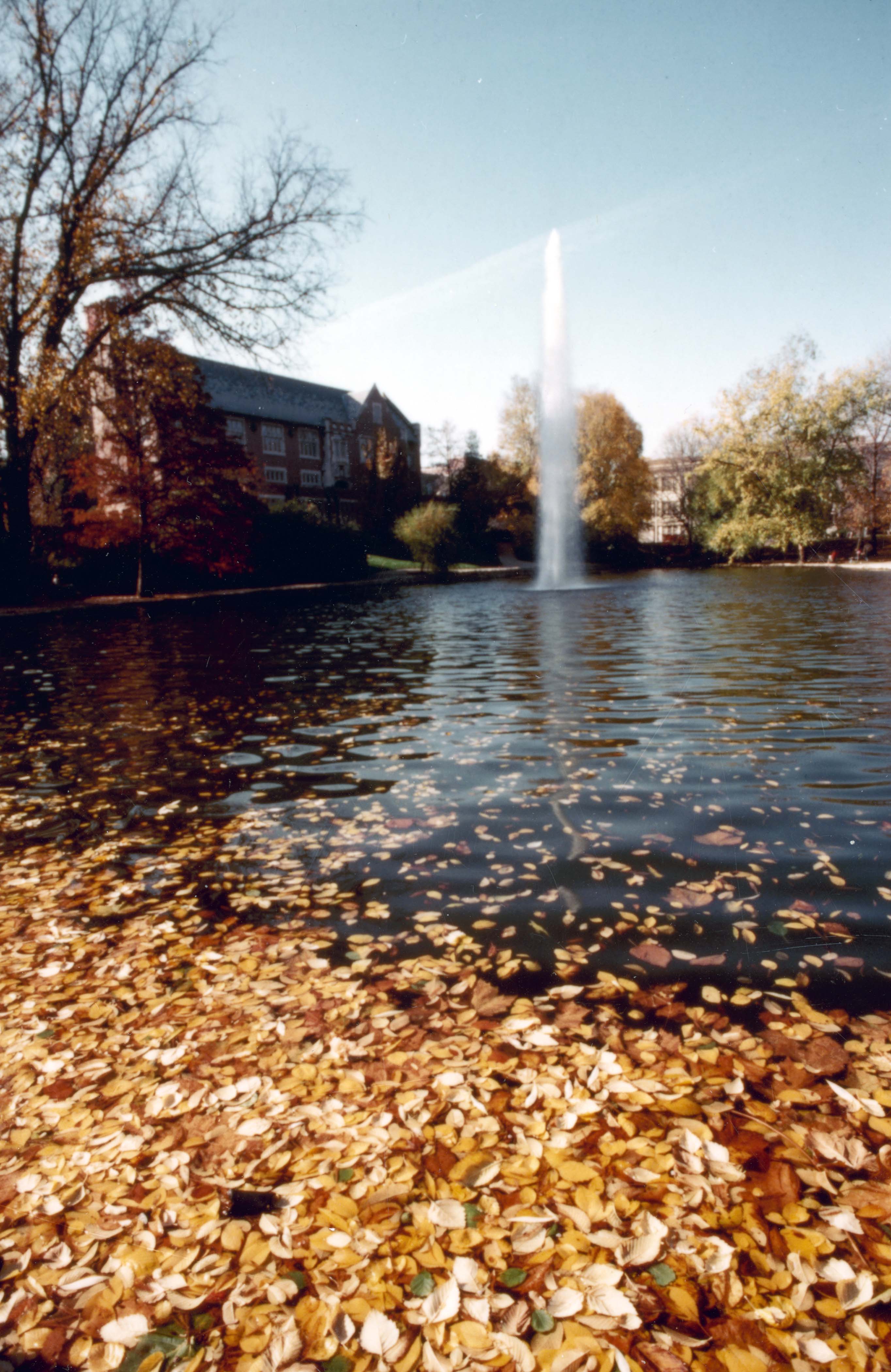
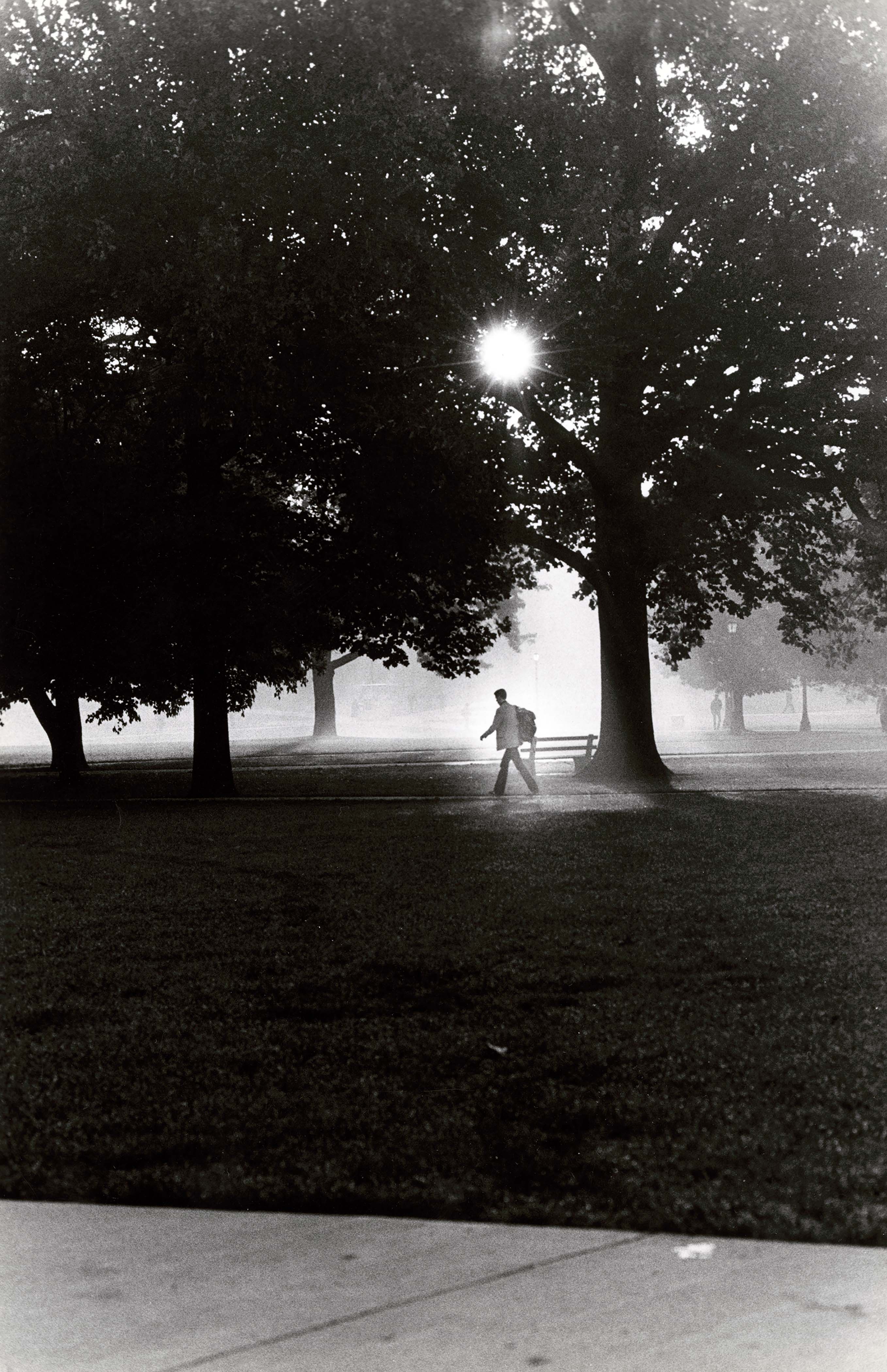
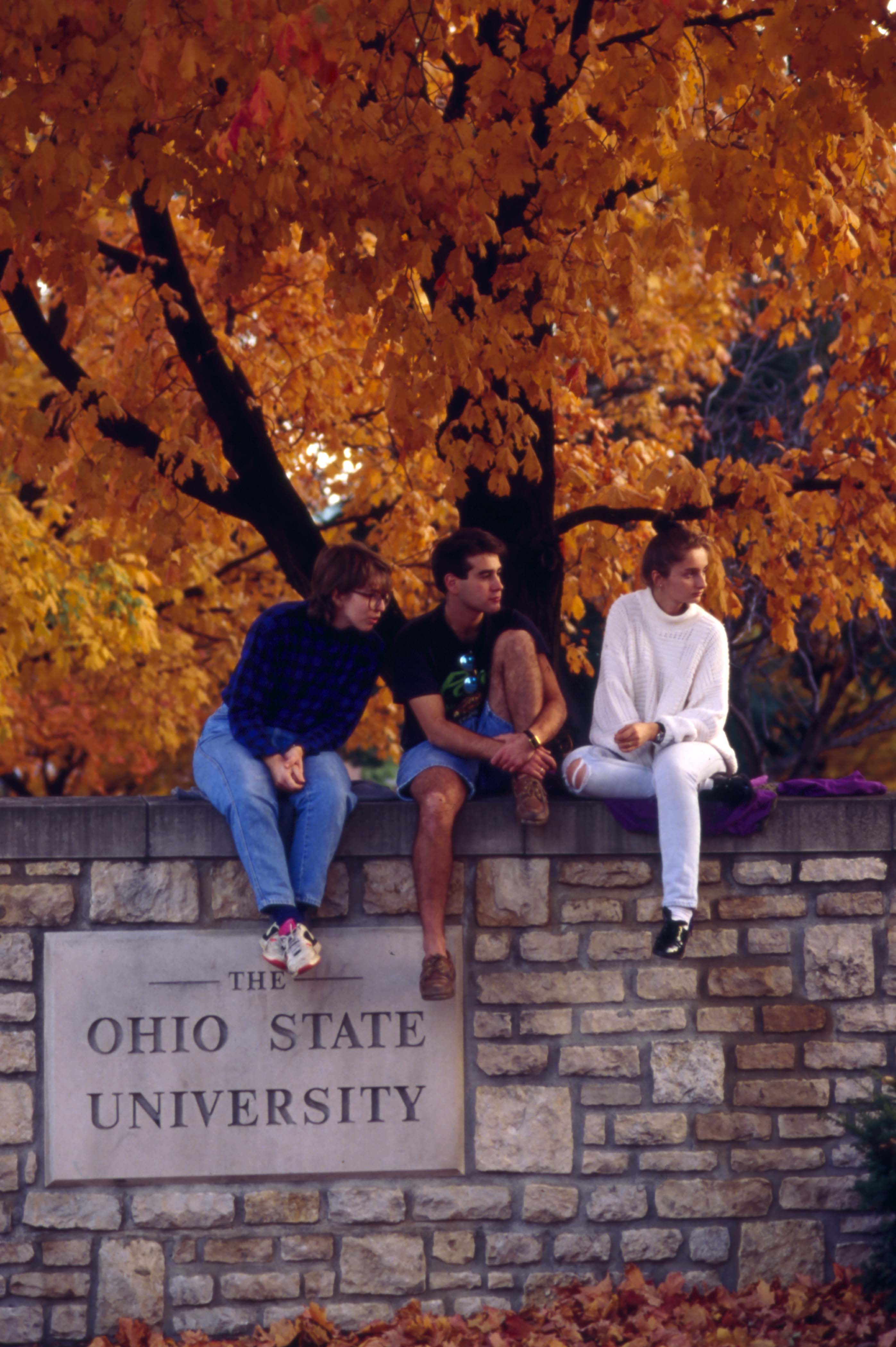
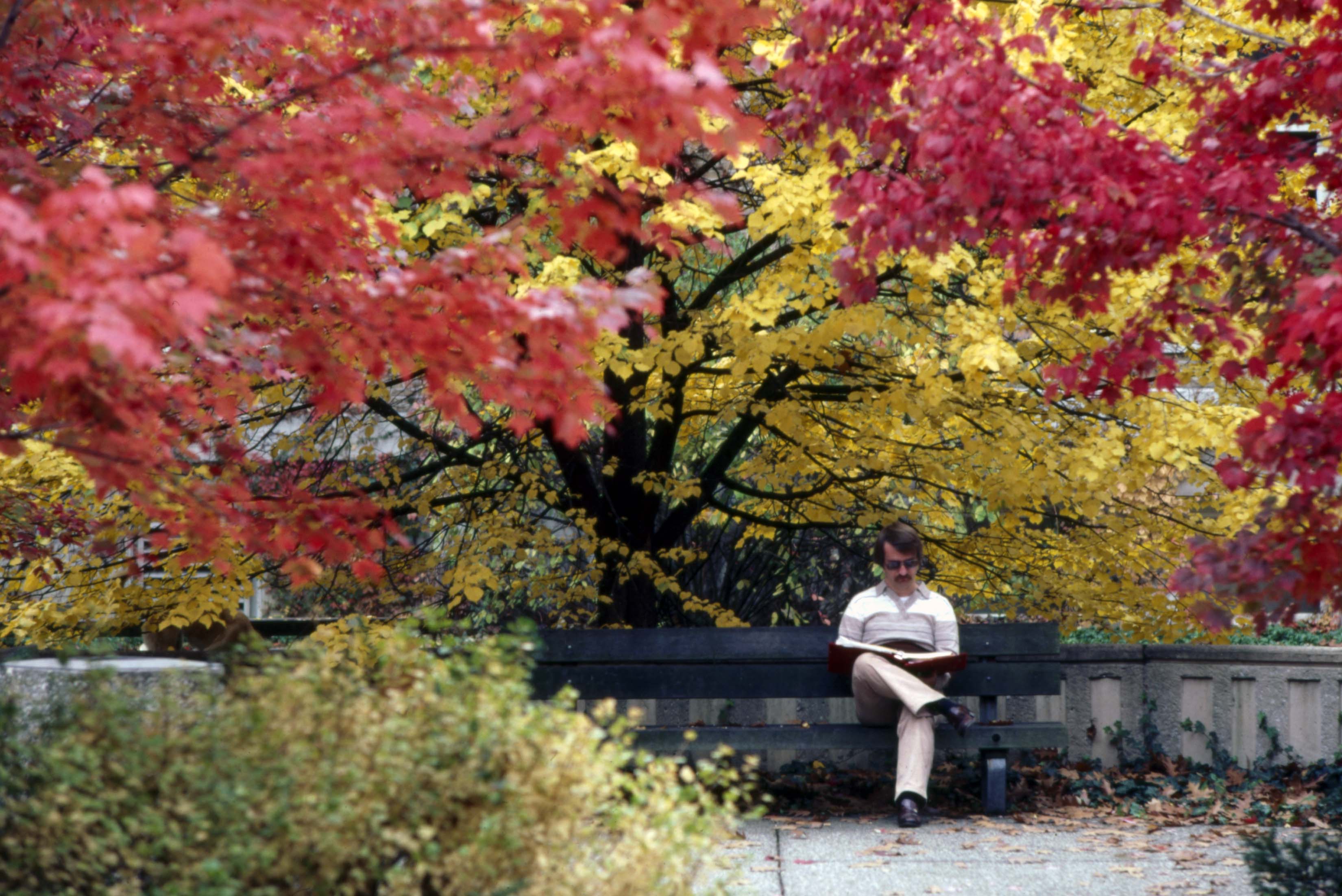
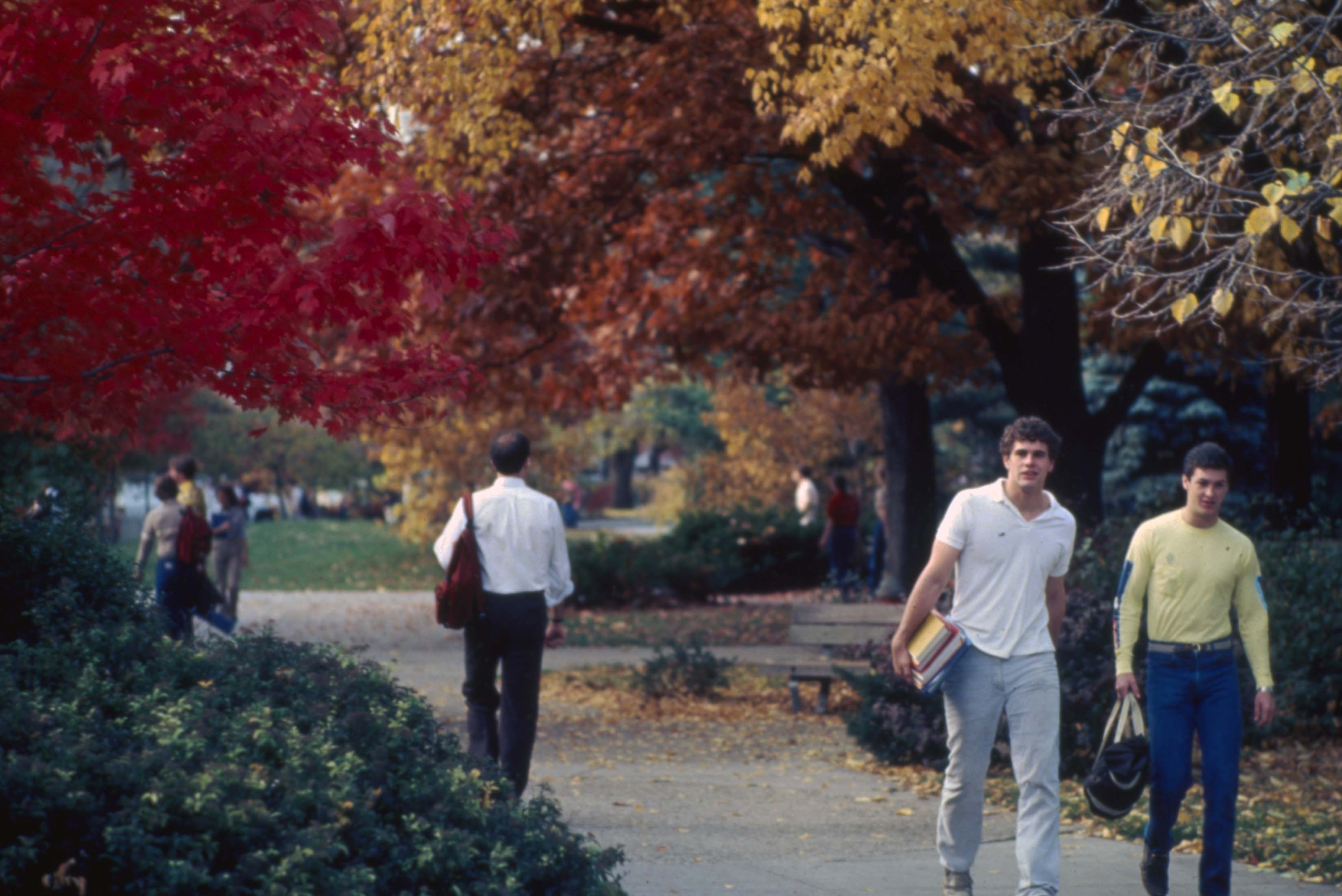
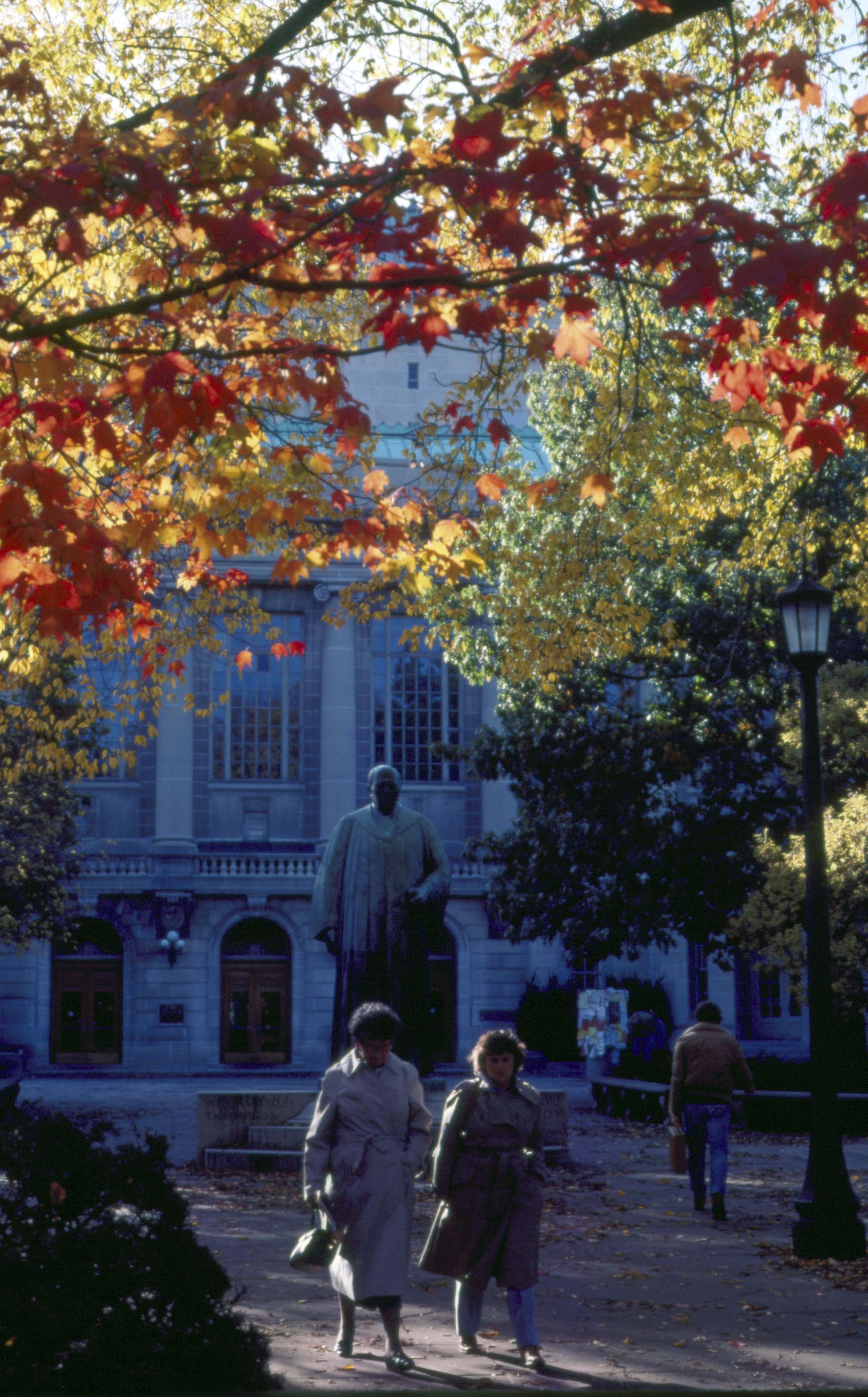
Autumn has officially arrived at Ohio State.  To reflect on past falls here at the university, we made a collection of pictures of colorful scenery from around campus.  Do you have any favorite fall memories from Ohio State?  Share them with us!


An aerial view of campus featuring
Orton Hall and Mendenhall Laboratory


Changing leaves on trees outside of
Mendenhall Laboratory


Some detailed and decorative jack o’lanterns


Outside of Pomerene Hall, Mirror Lake is
flooded with leaves


Morning fog on the Oval


Some students relaxing on an Ohio State University plaque


A student reading on a ground covered
in leaves outside of University Hall, 1981


Another student reading on a bench
under beautifully colored trees, 1982


A view of Orton Hall, 1983


Walkers on the Oval, 1983


The statue of William Oxley Thompson,
fifth President of the university, outside of Thompson Library, 1983

Bleeds Scarlet and Gray: Bartels turned passion for athletics into winning career as coach and educator

Written by Olivia A. Wood

After the recent passing in June of Dr. Robert “Bob” Louis Bartels, his family was kind enough to bring some of his material to the Archives that related to his career at OSU. When we looked at the material, we discovered that while Bartels was known to many as a head coach for Men’s Swimming and Diving, his impact on campus and the community was much greater than that. Bartels, born on November 14, 1928, was also a swimmer and professor at OSU, and he held many leadership roles in professional and community organizations.

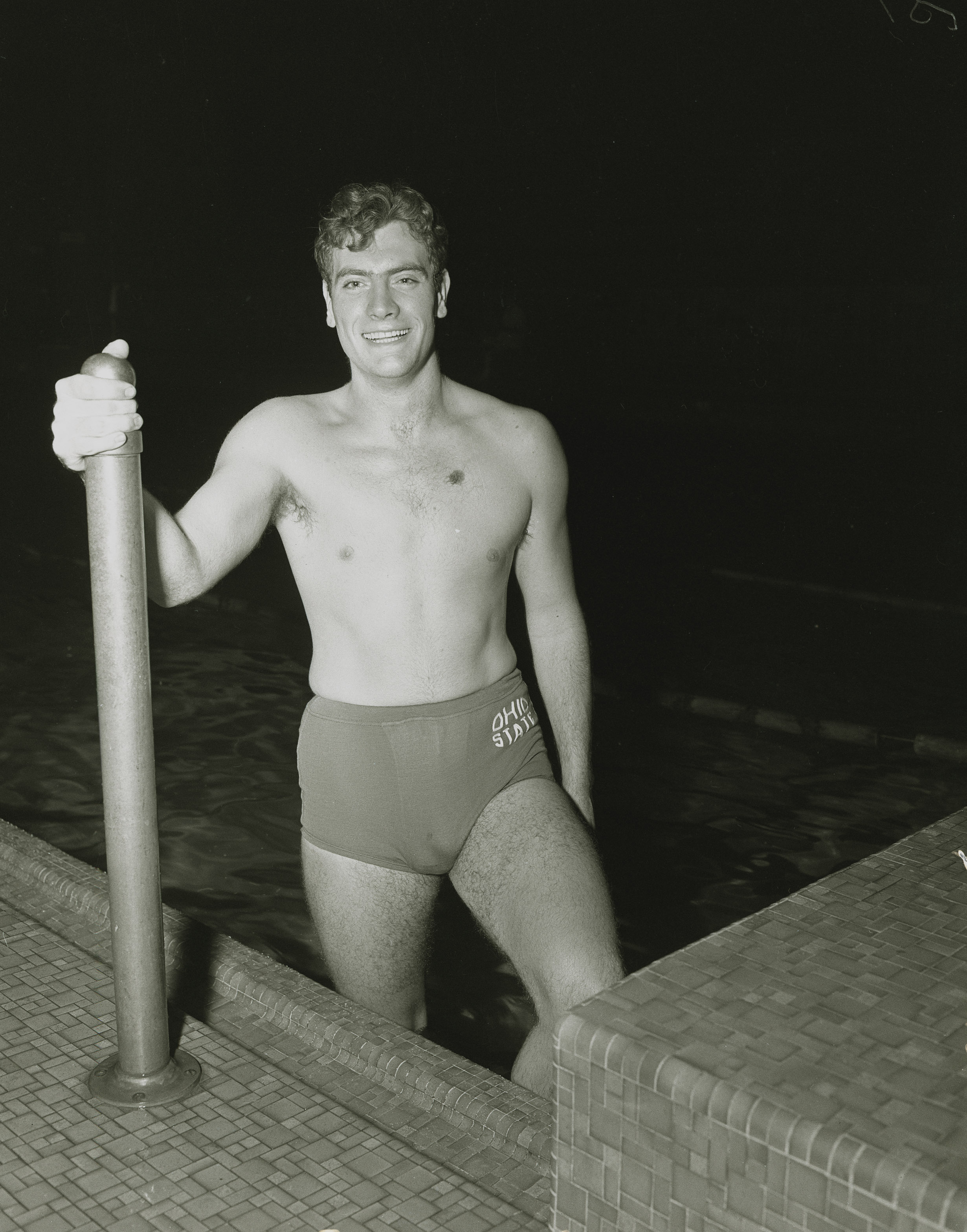
Bob Bartels, 1950

Bartels stands at the edge of the pool, 1950

Bartels came to Ohio State University in the fall of 1947, ultimately receiving his Bachelor of Science degree in Education, with a major in Physical Education, in 1951.  He continued his graduate education at Ohio State, receiving his Master of Arts and Doctor of Philosophy degrees in 1952 and 1961, respectively.  Both degrees Bartels earned were in Education, with a focus in physical education.

During his undergraduate career, Bartels swam for The Ohio State University men’s swim team from 1949 until 1951.  Under the leadership of the legendary Coach Mike Peppe, Bartels and his teammates won three Big Ten and two national championship titles.  Along the way, he earned a Varsity “O” in swimming, and in 1949, Bartels was named as a first-team All-American “as one of the best breaststrokers in the country,” according to a Department of Athletics obituary.

paddle_front

Bartels received a paddle from the 1963 men’s
swim team with all of their signatures on the back.

Having swum for Ohio State, Bartels went on to coaching at Kenyon College, Ohio University and The Ohio State University.  Bartels served as the freshman swimming coach at Ohio State while working towards his Master’s degree. Then, from 1952 until 1954, Bartels worked as the head swimming coach at Kenyon College, where he led his team to win the Ohio Conference Championship. (During that time, he also served as the Assistant Director of Athletics there.) Bartels maintained the same position, along with the appointment as tennis coach, during his time at Ohio University. Bartels returned in 1959 to Ohio State where he served as an assistant swimming coach under Peppe.  In 1962, under their guidance, the team won the national championship title.  Bartels took over as the head swimming coach after Peppe retired in 1963, and he coached the team until 1967.

Meanwhile, Bartels was building his academic career. While coaching at Ohio University, he was an Instructor and Assistant Professor of Physical Education.  After returning to OSU in 1959, Bartels served first as an Instructor, then as an Assistant, then Associate, then full Professor of Physical Education.  He also served as chairman of graduate studies for that department.

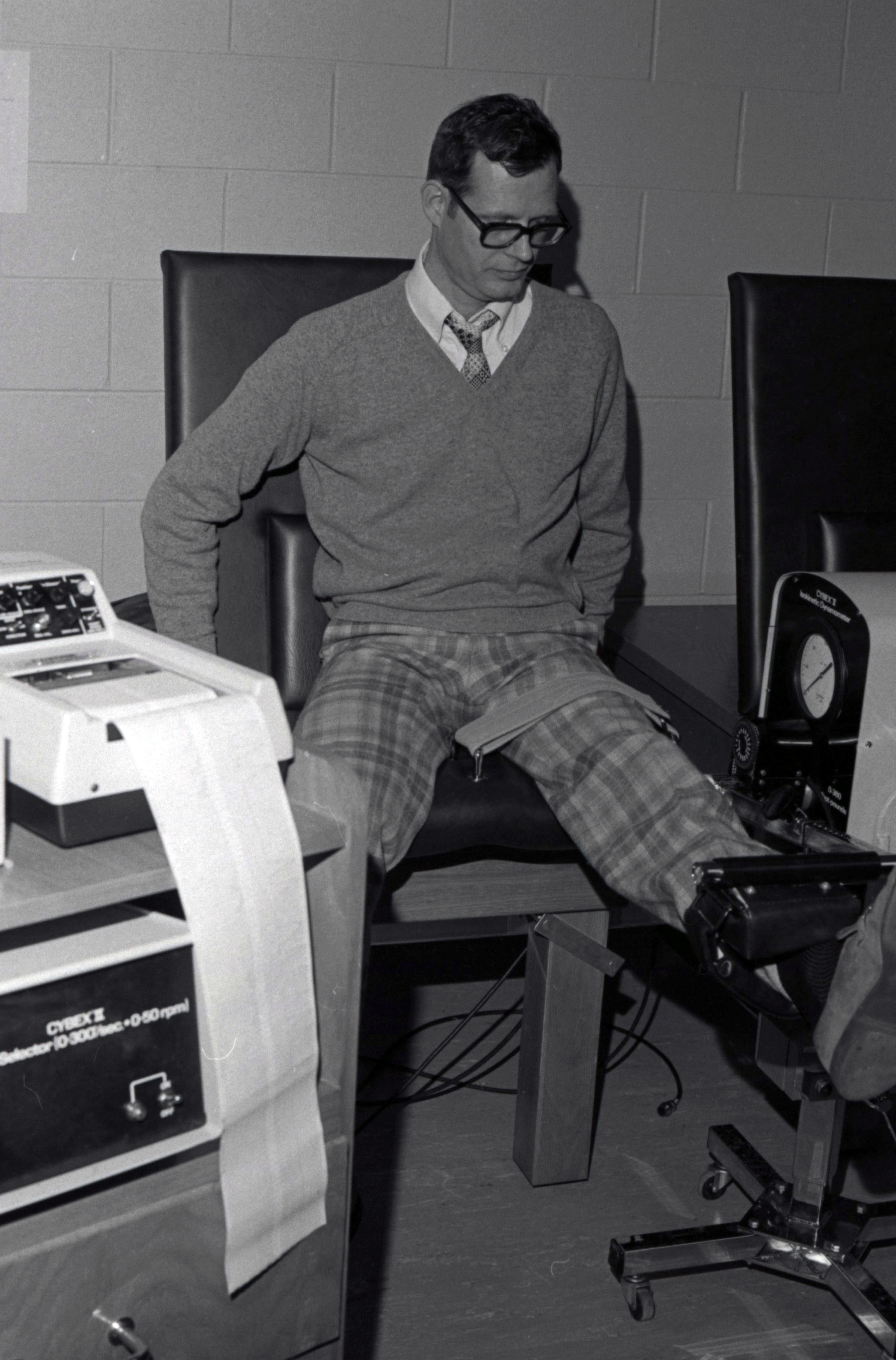
In 1980, he helped establish the Cardiac Rehabilitation Program, a joint venture of the Department of Health, Physical Education and Recreation, and the Student Health Center. In the program, heart attack victims learned to incorporate an exercise program into their recovery. It was a new concept at the time; previously, people who had suffered heart attacks were told to rest. But Bartels and his colleague, Prof. Edward L. Fox, concluded the heart, like any muscle, benefits from regular activity, so they created the program to teach survivors how to exercise successfully without creating more stress.

980_Bartels_Fox_cardiac_machine

Bartels and colleague, Edward L. Fox, demonstrate their cardiac rehabilitation equipment.

1980_Fox_demonstrates_machine

Fox demonstrates how the cardiac rehabilitation equipment works.

During his professional career, Bartels published more than thirty academic publications and thirteen academic papers on that and other subjects related to physical education.

Bartels didn’t limit his professional contributions to teaching and coaching, though. From 1963 until 1986, Bartels served as the chairman of Safety Services for the Columbus Area Chapter of the American Red Cross. He also was elected as a member of the Commodore Longfellow Life Saving Society, a water safety program run by the American Red Cross.  In 1968 Bartels was elected to the Board of Directors of the College Swimming Coaches Association of America; he was elected as president in 1971. For his efforts, he received the “Distinguished Coach Award” in 1972 and the Honor Service Award for Service to Aquatic Sports in 1980, both from the Coaches Association. In 1979, Bartels was named as a Fellow of the American College of Sports Medicine.

1977_Bartels_instructs_faculty_fitness

Bartels works with an OSU employee in the
Faculty Staff Fitness Program.

Bartels didn’t end his contributions after retirement.  He officially retired from Ohio State on January 1, 1989, upon which the College of Education appointed him as Professor Emeritus, and he continued to teach courses in Physical Education for many years.  Bartels also joined the Ohio State Retirees Association, and he was elected to the position of President in 1991.  The former athlete can be found in two different Hall of Fames on Ohio State’s campus: The Athletic Hall of Fame and the College of Education Hall of Fame, in which he was inducted in 1998 and 2002, respectively.  Bartels also served on the Board of Directors of the Varsity “O” Association.

Finally, faculty and staff who participate in the Your Plan for Health program to stay healthy and active, aren’t the first on campus to be guided toward healthy fitness choices. In 1975, Bartels created the Faculty Staff Fitness Program.  The program offered OSU faculty and staff participants access to a gym, a personalized health and exercise management program, sports trainers, and dietary counseling.  Bartels served as the director of the Faculty Staff Fitness Program from its beginning until 1989.

2002_Bartels_portrait

Professor Bartels, 2002

« Older posts Newer posts »