From Woody's Couch

Our Playbook on OSU History

Category: Early University history (page 7 of 14)

First women students were a surprise show but made mark on OSU

The Townshend family, 1884

The Townshend family, 1884

In 1873, when two dozen young people showed up at University Hall to enroll in the then-new Ohio Agricultural and Mechanical College, two were women – in fact, they were the daughters of the first Professor of Agriculture.

Alice and Harriet Townshend were the youngest children of OSU Professor Norton Strange Townshend, who had stepped down from the College’s first Board of Trustees to teach agriculture classes at the new school. He was an advocate for women’s rights, and believed in higher education for all.

The former Townshend home, 1902

The former Townshend home in 1902. The family resided here from 1873 to 1895.

So, on the morning of September 17, 1873, Alice and Harriet, and their older brother, Arthur, walked from their home near 15th Avenue and High Street to sign up for classes, according to an interview with Harriet Townshend published in the October 1948 issue of The Alumni Monthly. In the interview, Harriet Townshend said that College President Edward Orton Sr. “almost fainted” when the two sisters showed up because he was not expecting women to enroll in the new school. He left it to the Trustees to decide, and upon reading the legislative bill passed to establish the College, they determined that women, as well as men, could attend.

While Arthur graduated with the first class in 1878, it took two more years for Alice Townshend to earn her degree; however, Alice was one of the three students on the committee in 1878 who purchased the ribbons that adorned the first diplomas. The colors of those ribbons were scarlet and gray, and Alice helped pick them.

Harriet Townshend from when she was an assistant librarian at OSU in 1900

Harriet Townshend as an assistant librarian at OSU in 1900

Shortly after graduation, Alice married Charles Mayhew Wing; little else is written about her, except for her death on December 1, 1925.

Though Harriet Townshend never graduated, she worked as an OSU Library staff member for more than 30 years, making sure all of the materials had proper binding. Townshend never lived far from the University; her last residence was listed as 53 W. 11th Avenue, which today is across the street from the Moritz College of Law. And she continued to be an advocate of higher education for women until her death at age 92 on April 29, 1950.

– Filed by C.N.
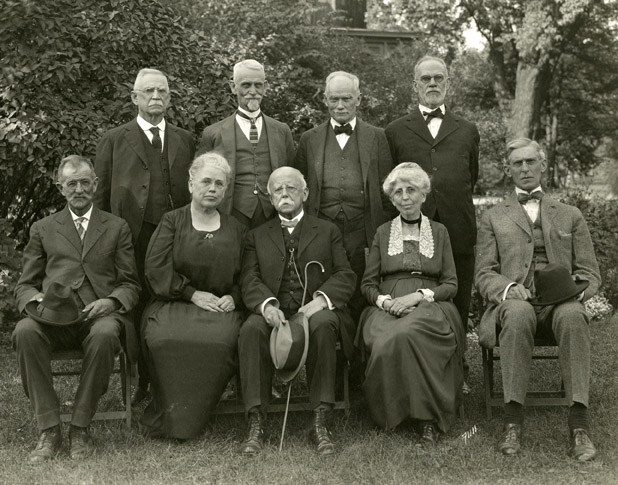
Alice Townshend-Wing (front row, second from left), and Hariett Townshend (front row, second from right), at a class reunion party in 1923

Alice Townshend-Wing (front row, second from left), and Harriet Townshend (front row, second from right), at a class reunion party in 1923
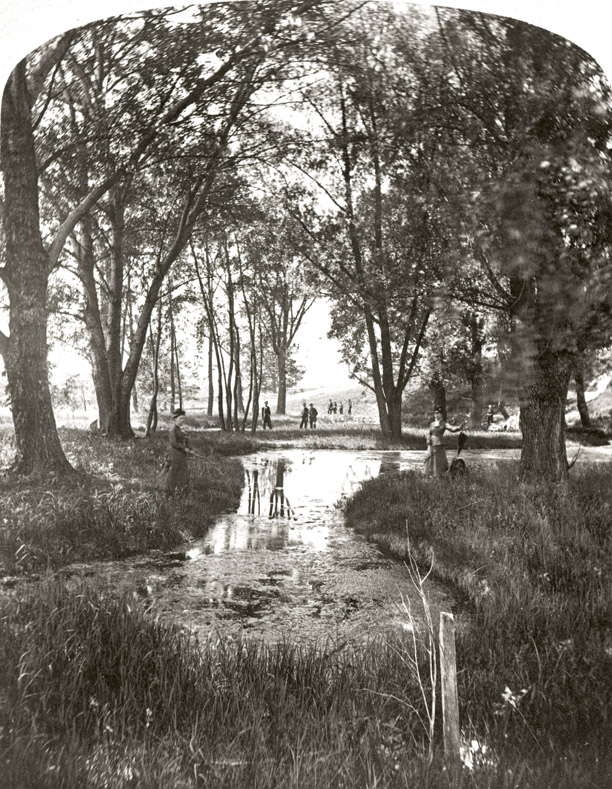
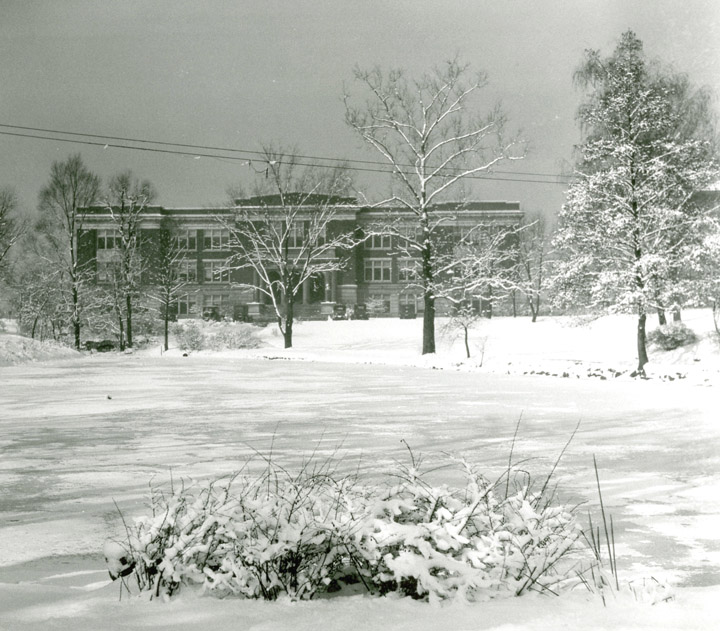
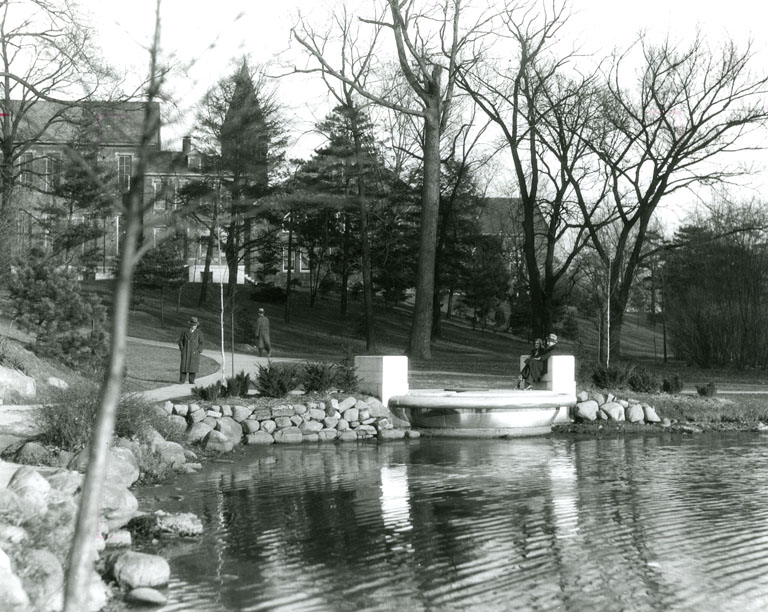
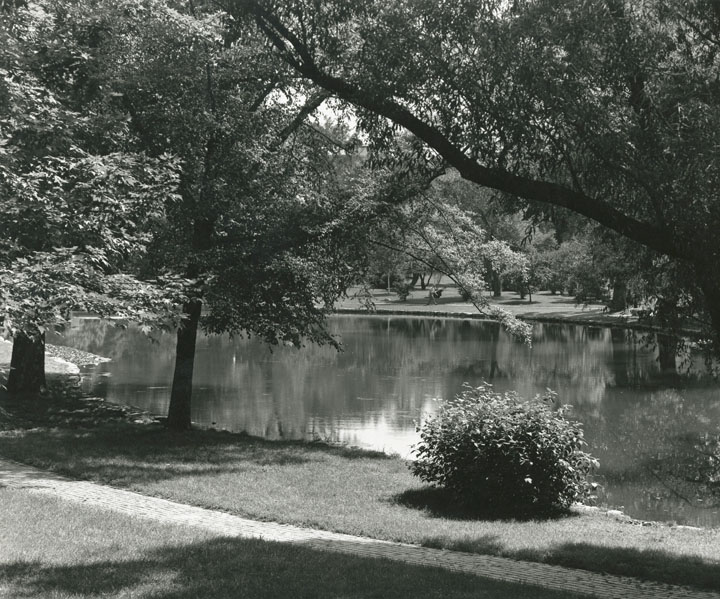
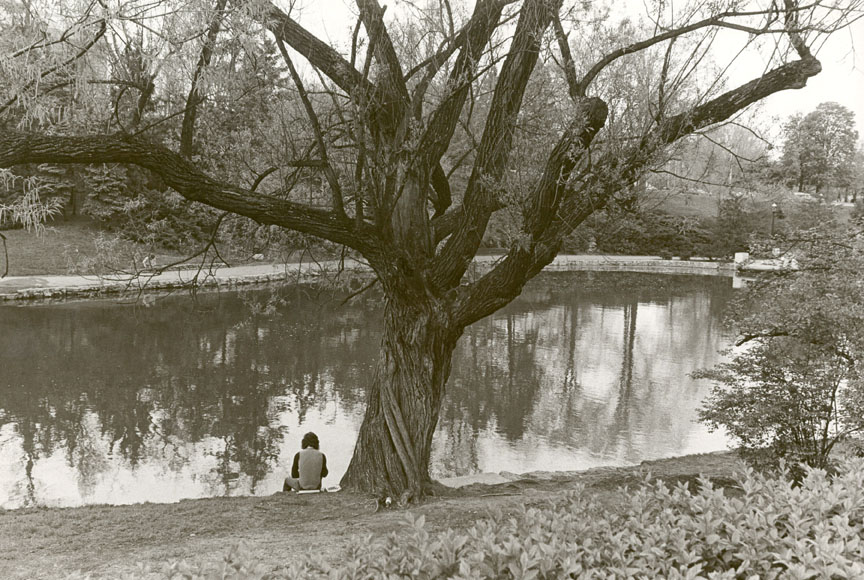
From bogs to bridges, Mirror Lake’s appearance has changed over years

Poor Mirror Lake doesn’t have its usual shine these days, since it was drained in early December to allow the University to study how to lessen its financial and environmental impact. OSU has hired a consultant to evaluate the lake’s sustainability and safety issues, and the lake will remain empty until the research is finished. 

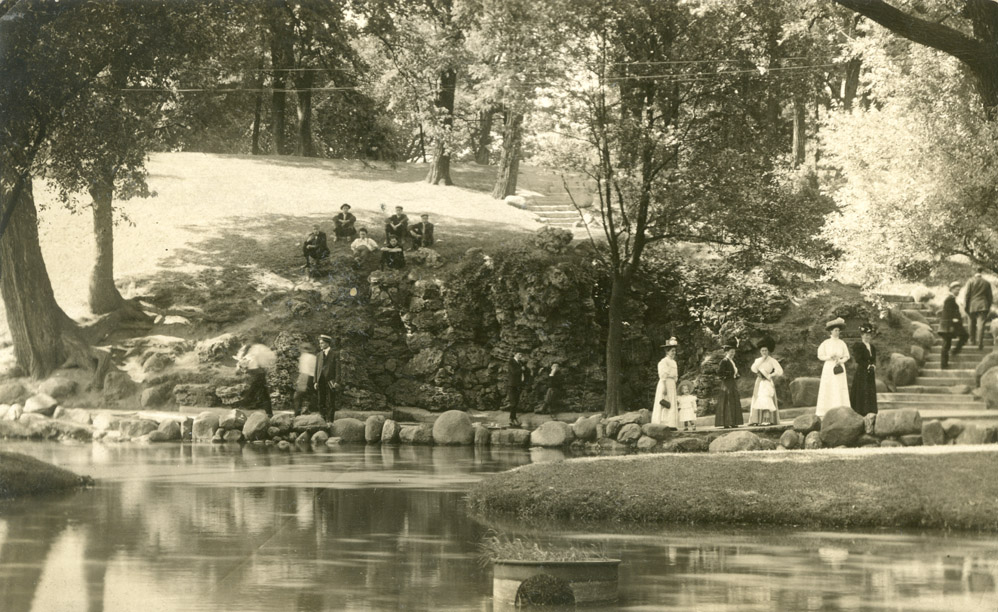
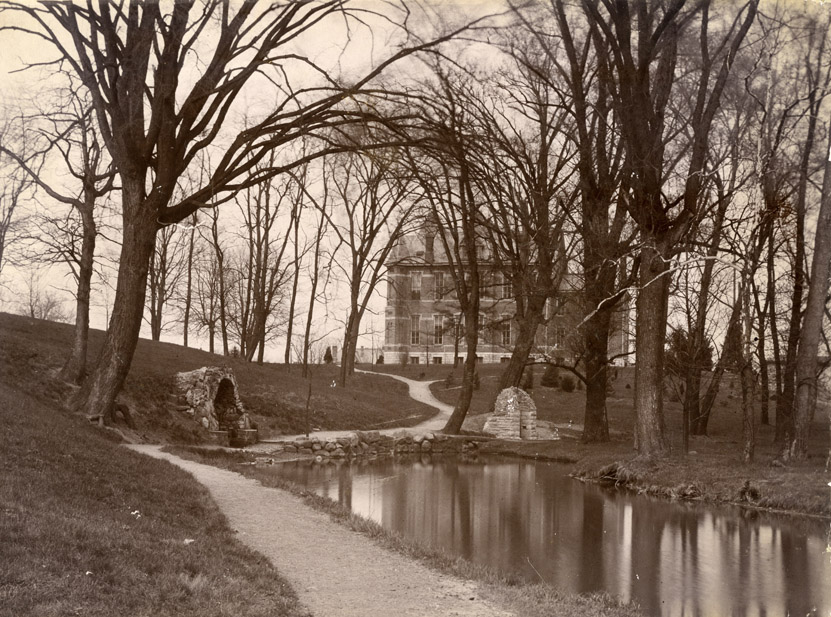
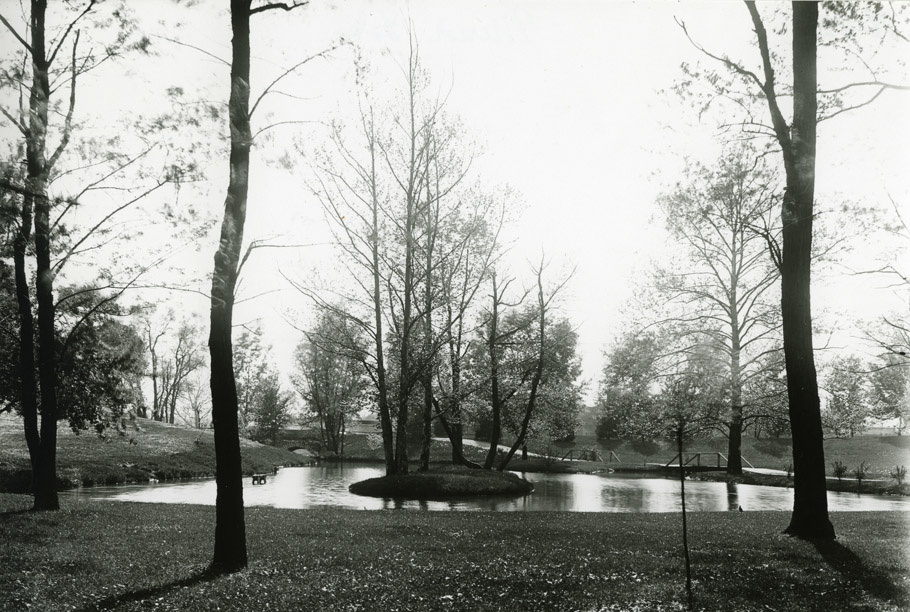
Usually, the lake is one of the aesthetic highlights of campus, with a sparkling fountain in the middle and beautiful landscaping surrounding it. But it hasn’t always looked this way. So, here’s a brief photographic retrospective of Mirror Lake that shows how change has been a constant for the area since the very beginning.


Mirror Lake, 1876

Mirror Lake, 1876

1878

1878

1880s

1880s

1894

Mirror Lake’s grotto, 1894

Mirror Lake Islands, 1898

Mirror Lake Islands, 1898

1904

1904

1909

1909

1911

1911

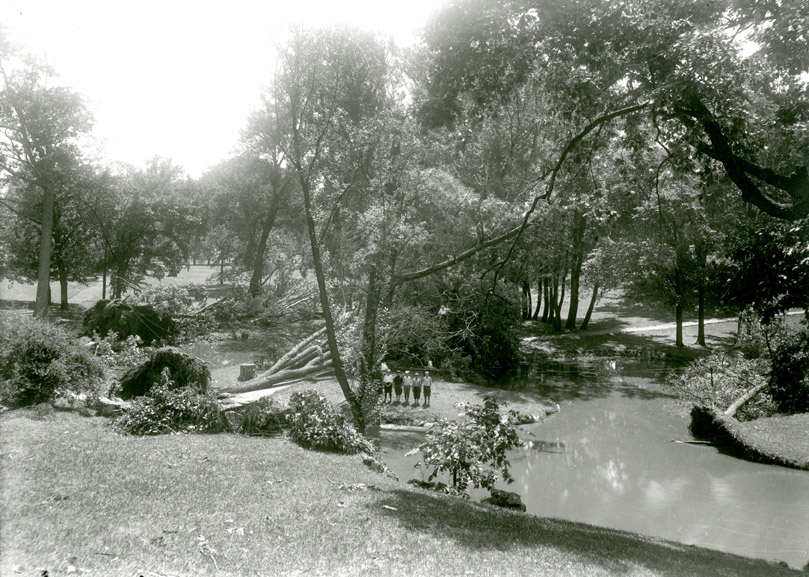
Windstorm damage, 1918

Windstorm damage, 1918

Windstorm damage, 1918

Windstorm damage, 1918

1920s

1920s

1931

1931

1947

1947

1950

1950

1961

1961

1972

1972

1982

1982


Twelve Days: For OSU supporter Sullivant, teach “all that is worth knowing”

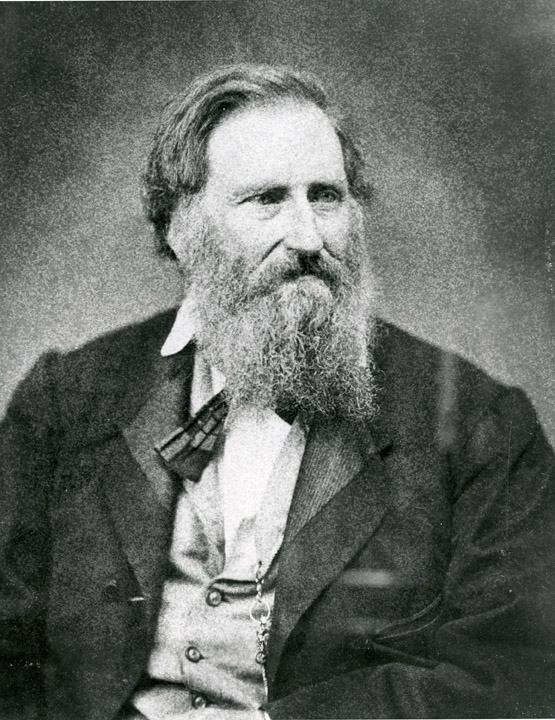
Joseph Sullivant, 1878

Joseph Sullivant, 1878

We’d like to launch this year’s “Twelve Days of Buckeyes” celebration by focusing on one of OSU’s earliest and biggest support: Joseph Sullivant, a prominent citizen of Columbus whose influence on the University’s earliest development was strong and unwavering.

Sullivant was the son of Lucas Sullivant, one of the first settlers of Franklin County. Lucas Sullivant came to Ohio from Kentucky as a surveyor of military lands and stayed, building his home in Franklinton, on the western side of the Scioto River. Joseph Sullivant was the youngest of Lucas’ three sons, born in 1809. All of the boys received a quality education, and Joseph was sent to a boarding school in Worthington for a time, before he later followed his next-eldest brother, Michael, to Ohio University. He finished his studies at Centre College in Danville, Kentucky where he had family.

Throughout the rest of his life, Sullivant spent his time in a variety of services, public and private, that helped in the development of the city. For instance, before the age of 21, the state legislature appointed him to found the Philosophical and Historical Society of Ohio and was its curator and secretary for a number of years. He also served for many years on the Columbus Board of Education. As the years went by, he became known for his pronounced and liberal views on political questions such as education.

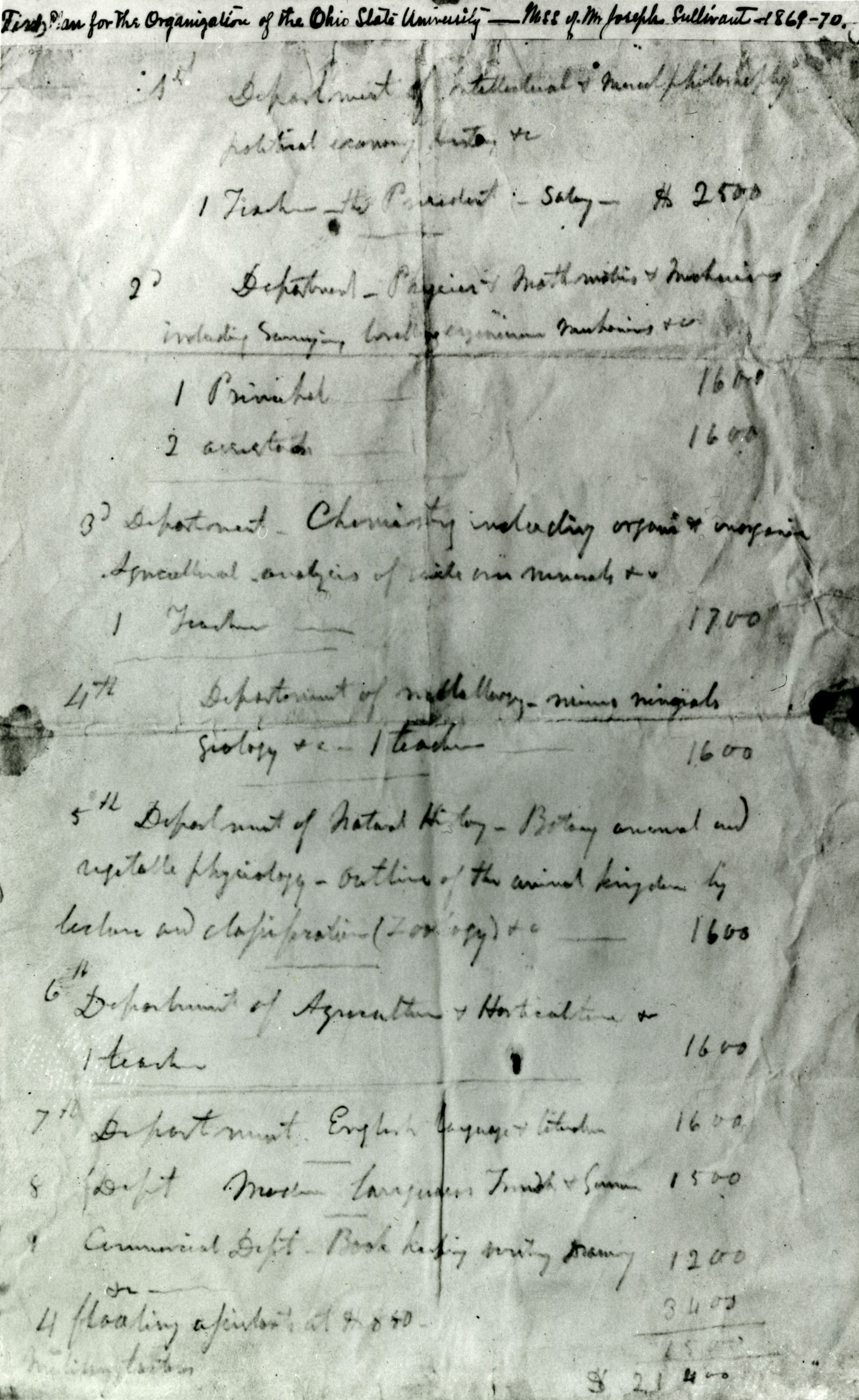
Sullivan's plan of organization for the school, 1869

Sullivant’s plan for the organization of the University, 1869

After the Oho state legislature passed the law to create the Ohio Agricultural and Mechanical College, Sullivant lobbied hard for it to be located in Columbus. He wrote an impassioned letter to the citizens of Franklin County, printed in a local newspaper, asking for their support of measure to approve the sale of bonds whose proceeds would be used to buy the land for the new college and build its first classrooms. The measure passed.

While Sullivant lived in Kentucky, he took an interest in agricultural education, and later in Columbus joined the state board of agriculture. As a member of that board, Sullivant would be a prime candidate to be selected for the new college’s first Board of Trustees. But when then-Ohio Gov. Rutherford B. Hayes nominated him for one of the seats, Sullivant at first asked Hayes to withdraw his name, knowing that his outspoken views and liberal positions on many issues would stir opposition in the Ohio Senate. Hayes refused, and the Ohio Senate ultimately confirmed Sullivant.

 As the Board of Trustees went about deciding the new college’s curriculum, Sullivant’s views on education became apparent. While some Trustees argued for the new college to focus solely, at least at first, on only those courses related to agriculture and mechanical arts, Sullivant advocated that the new college should “develop in all directions.” He went on to say, “If we had means, I would teach all that is worth knowing…What the farmer and mechanic need, like all other men, is a good education, and in proportion as that is general and liberal will they be best fitted for their special vocations.”

The University's original seal, designed by Sullivant, 1871

The University’s original seal, designed by Sullivant, 1871

Despite the controversy of his selection, Sullivant held great sway when it came to the final curriculum for the new college: his plan for ten departments of instruction was approved, although only six were in place when the college actually opened in 1873.

And if all that wasn’t enough, Sullivant designed the University’s original seal.

Sullivant died in 1882. In 1970, as the University celebrated its centennial, the Board of Trustees honored Sullivant by renaming the former Ohio State Archaeological and Historical Society Building (it had moved to its current home near I-71) after him.  

– Filed by C.N.


Older posts Newer posts