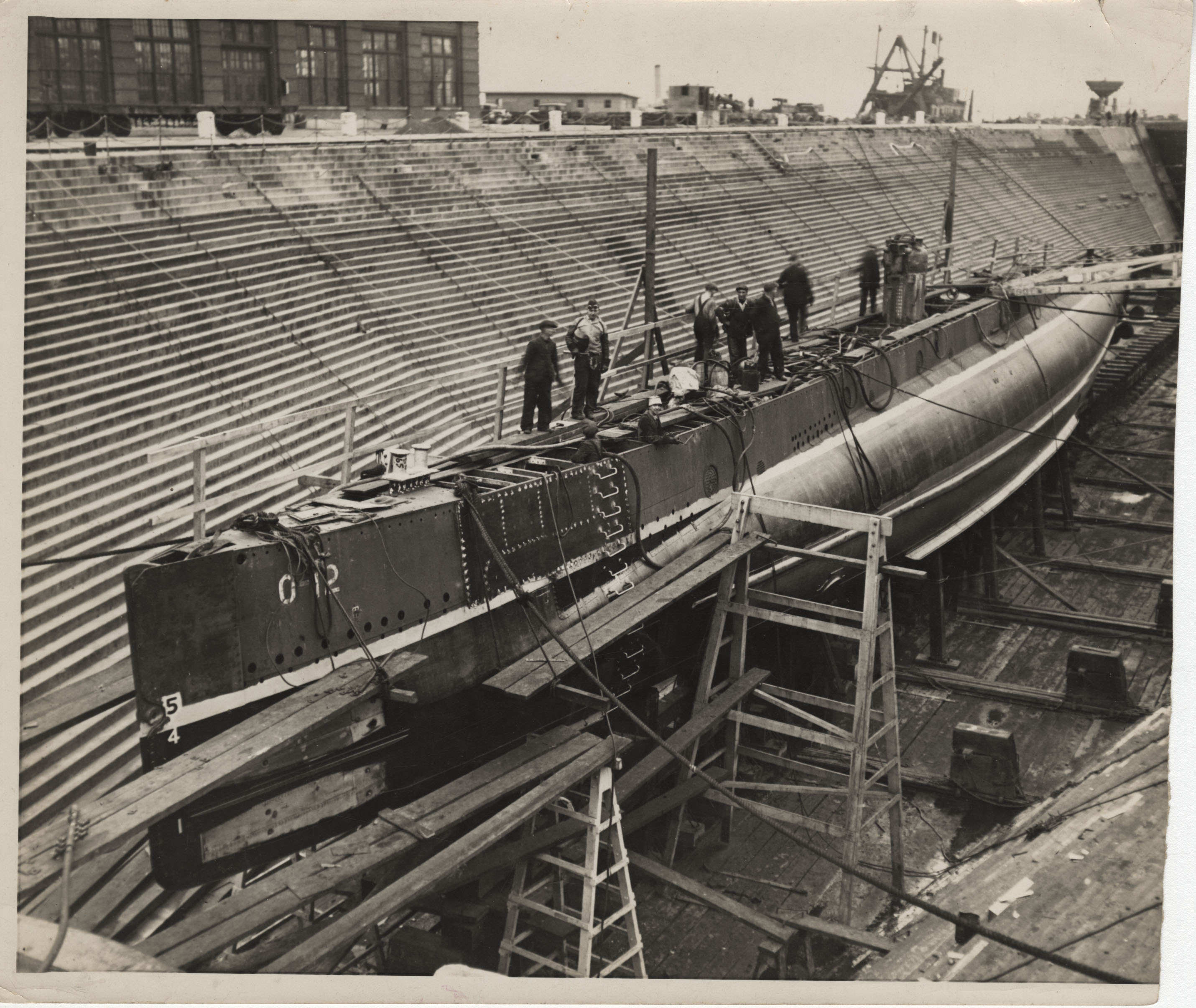
At the beginning of June, 1931, the Nautilus began its trip across the Atlantic towards the Arctic. Only three days into the journey, a storm hit. The Nautilus, however, was never designed for the fury of the open ocean.

The Nautilus in open water.
As a result she pitched and rolled to the point that even Wilkins, the most experienced explorer on board, became seasick. During this expedition, the Nautilus and its crew barely escaped death on several occasions. At one point, water seeped into one of the engines. Left unchecked, the engine would have punched a cylinder through the side of the submarine, sinking the ship. With no lifeboats on board, the sunken sub would have served as a tomb for the entire crew. This crisis was averted due to the quick reflexes of the chief engineer, Ralph Shaw.

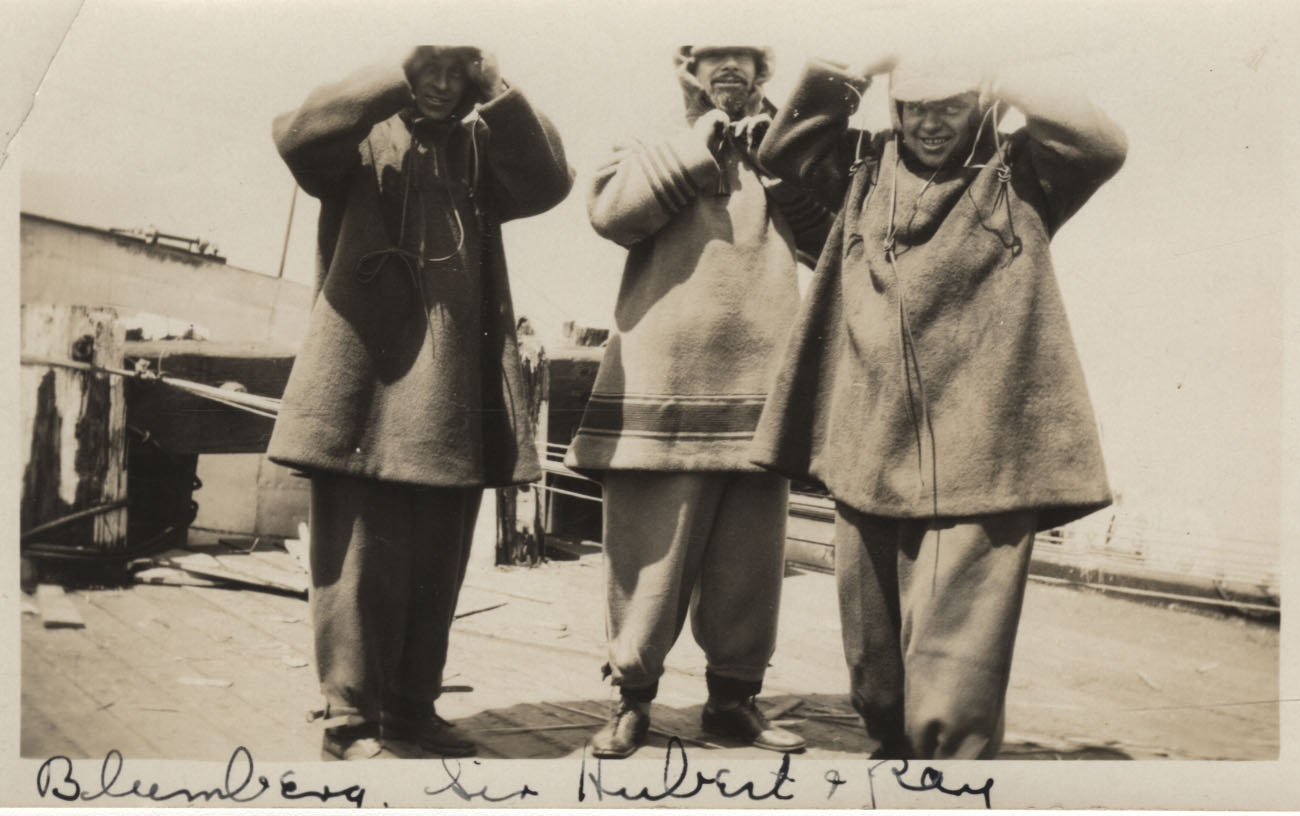
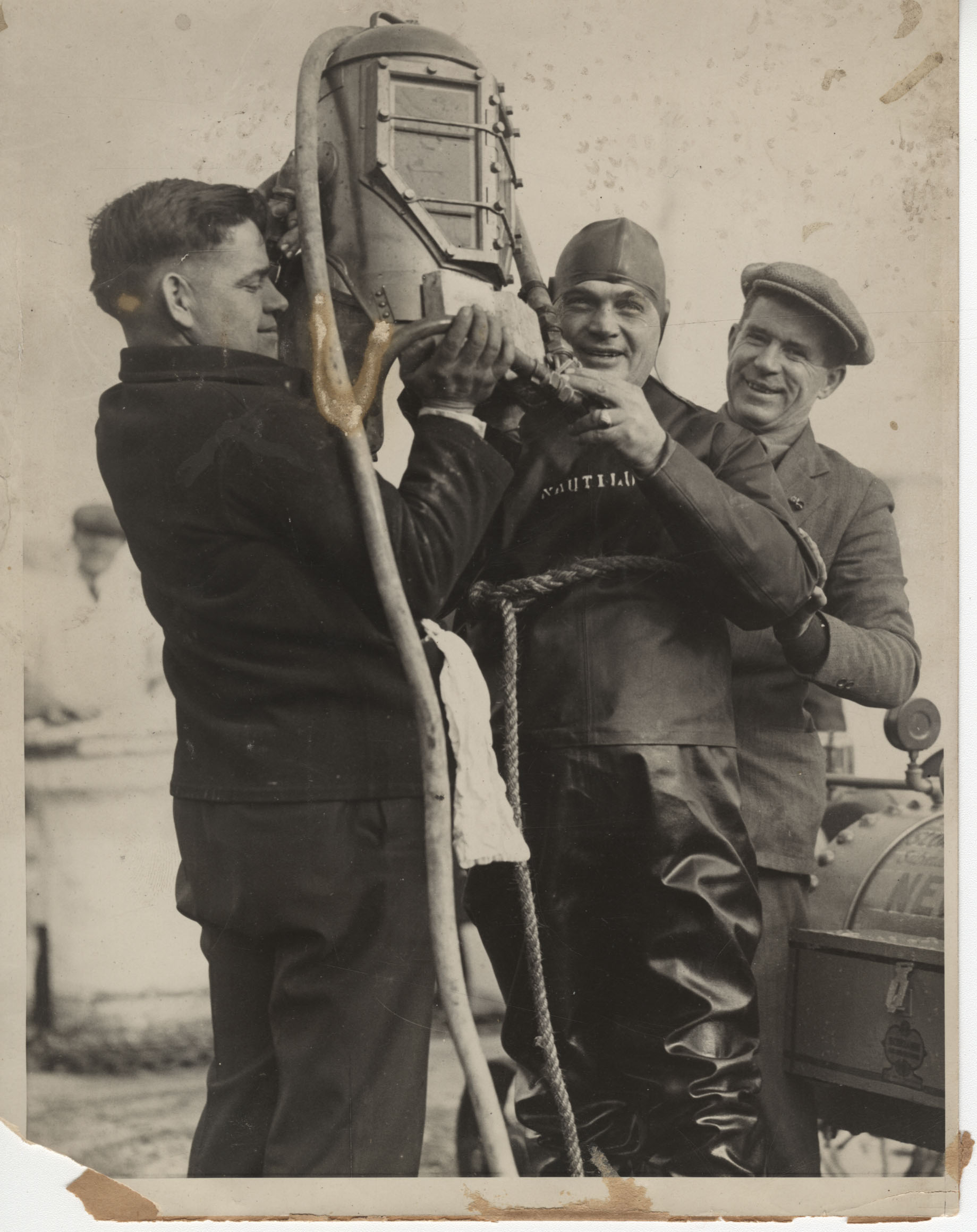
Wilkins posing for a funny picture with his crew
members, Ray Meyers and A. Blumberg.
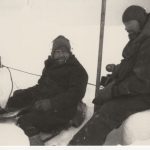
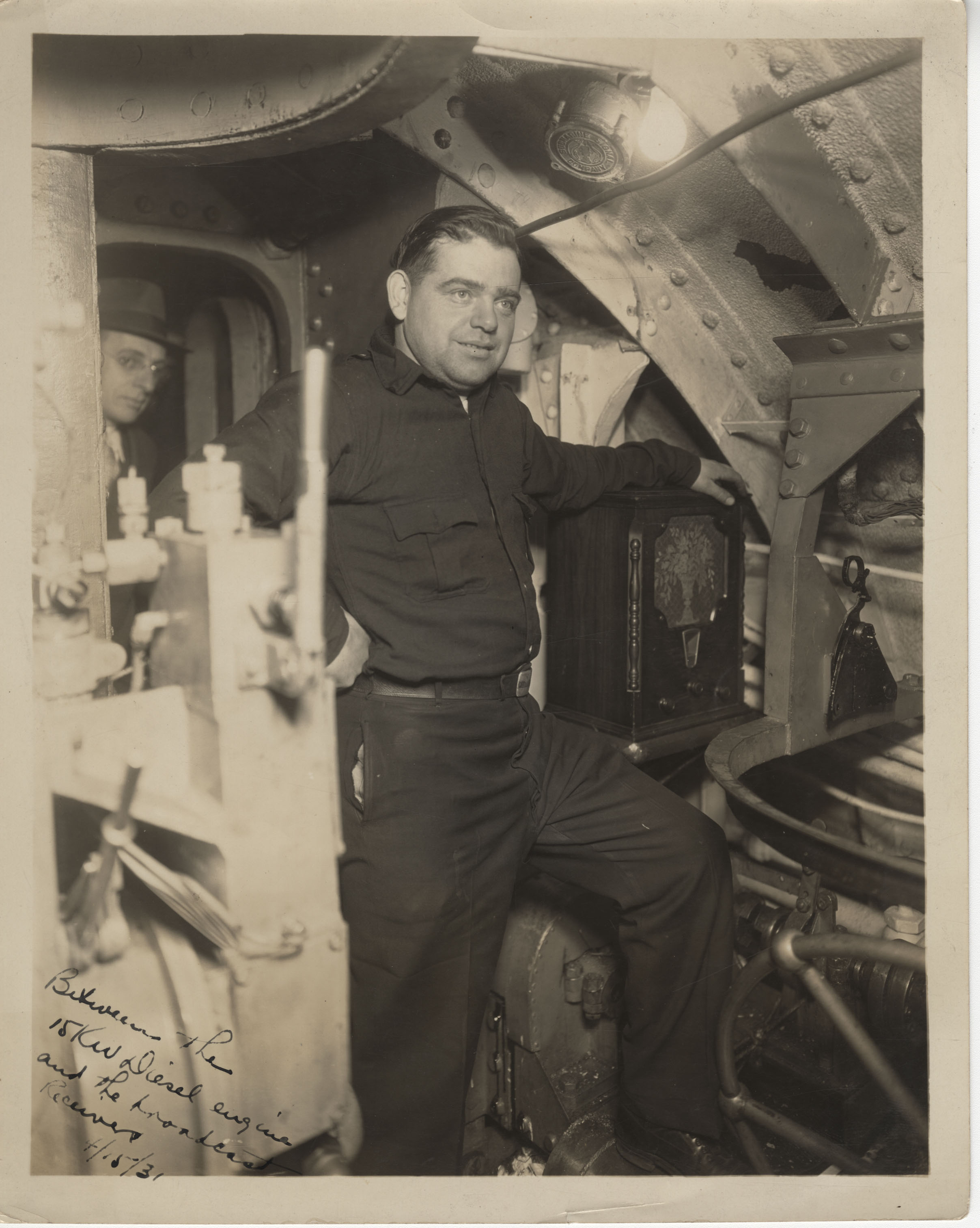
At another point, with the ship now running on only one engine, the crew nearly suffocated when a wave slammed the tower hatch closed, threatening to create a vacuum in the submarine. Fortunately, everyone on board survived, owing their lives to an open forward ventilator. Then the worst happened: the second engine stopped, stranding the submarine in the middle of the Atlantic Ocean. The crew was without the power to restart the engine or even send a distress signal and they had no fresh air. Given the nature of the submarine and the bad weather, they were also basically invisible to any passing ships. The radio engineer, Ray Meyers, had to cobble together some of his equipment into a make-shift transmitter to send out the SOS signal.
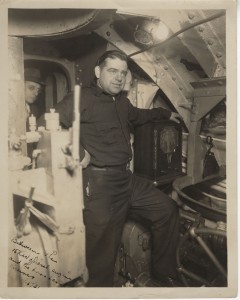
Chief Radioman, Ray Meyers.
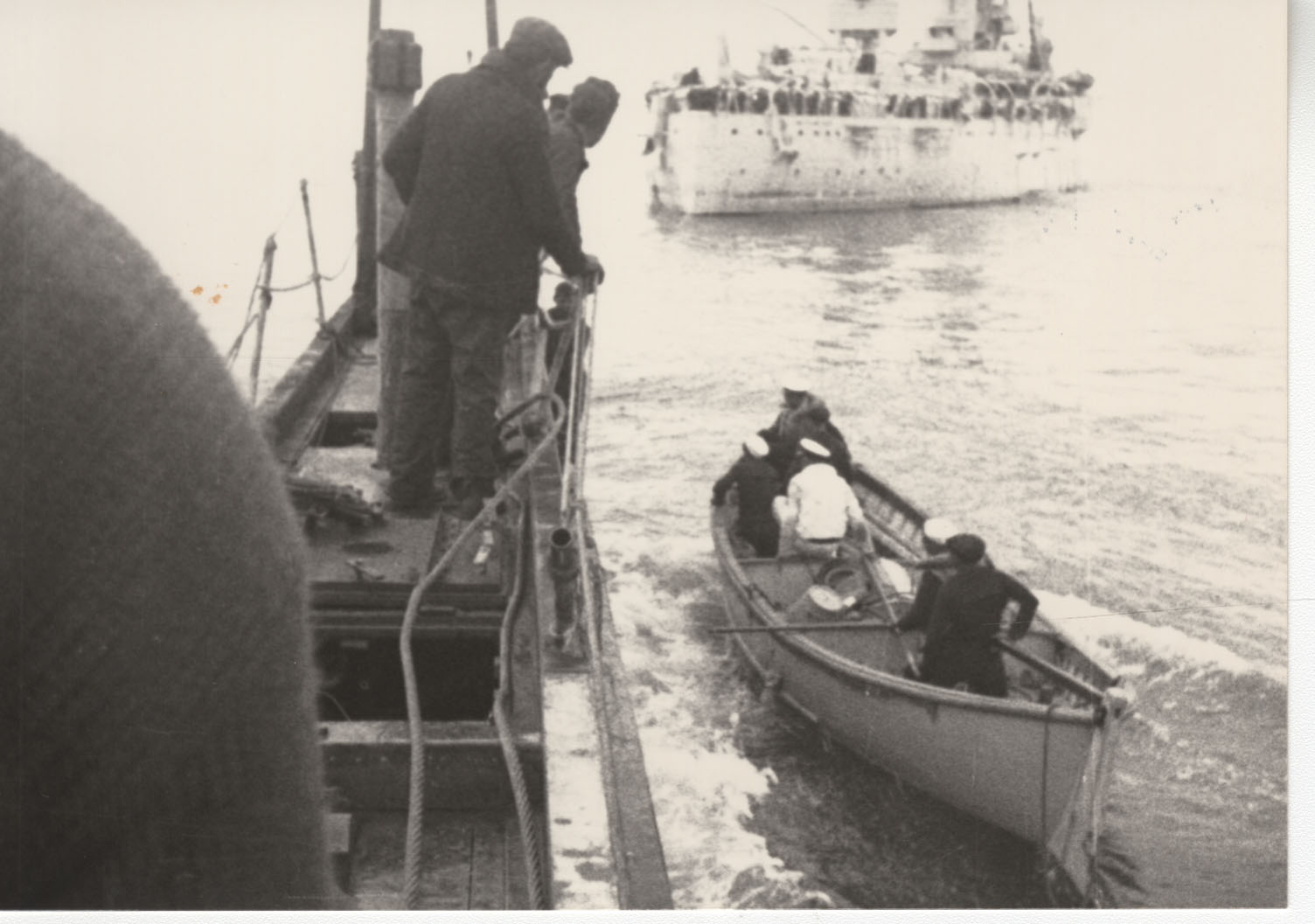
Nearly eighteen hours later the U.S.S. Wyoming came to rescue the stranded Nautilus, before towing it to Ireland. Four crew members subsequently quit.

The U.S.S. Wyoming arriving to rescue
the stranded Nautilus.
Repair on the submarine, expected to take two weeks, took a month. Ever the optimist, Wilkins hoped all of the misfortunes to date meant that the expedition had already encountered all of its bad luck. This was not to be. Almost immediately upon resuming the trip, the Nautilus was besieged by yet more storms. It became clear that the Nautilus was too unreliable to safely complete the trip. Yet Wilkins remained determined and decided to submerge in Arctic waters.
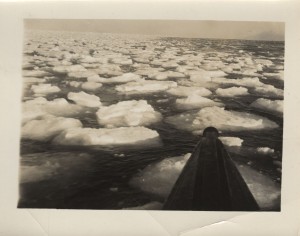
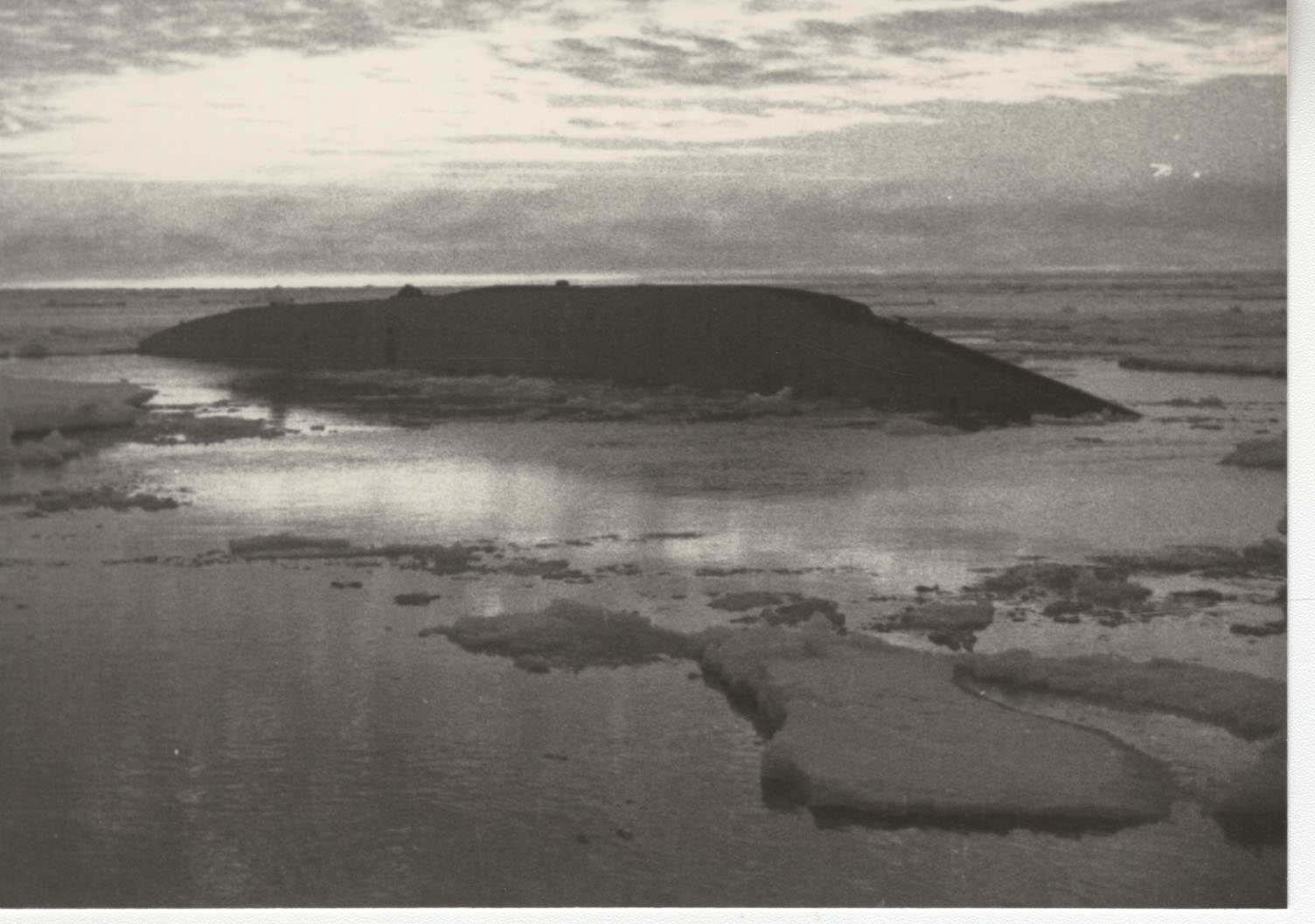
Image of Arctic waters, taken from the deck of the
Nautilus.
While the ship was preparing to dive, Commander Danenhower realized that the submarine’s diving planes were gone. Without these planes the submarine could dive under the water, but could not be controlled while submerged. This made the planned journey to Alaska impossible. Wilkins never investigated how or when the planes were lost but he, along with Meyers and a few other crew members, believed the ship was sabotaged by several of the crew members. Given that only the diving planes were lost, while the vertical plane and the propellers were untouched, this rumor of sabotage seems very likely. Floating ice would not have been so selective about the damage it did.
Wilkins, however, would not accept complete defeat. To do so would mean personal and financial ruin. Instead, he decided to continue north. Recognizing the potential scientific opportunities from the beginning, Wilkins had two well-known scientists on board to run experiments. Aided by the head scientist Harald Sverdrup, Wilkins collected some of the first data about the polar oceans, including mud samples and information about new ocean creatures.

The Nautilus in a gap among the ice floes.
Wilkins did manage to force the submarine to dive to 37 feet by flooding part of the submarine and running into the ice, thus proving the possibility of under-ice travel, but the dive paled in comparison to his original plans. Later the expedition would be called “a landmark in science”[i] but it did not satisfy the donors and readers eagerly awaiting news of Wilkins’ success.
After completing only a few dives, Wilkins was forced to leave the Arctic due to the Nautilus’ continued deterioration and the worsening weather. Wilkins had to face the worst storm upon his return, however, as he met his supporters and critics. Although Wilkins did prove that travel by submarine under the polar ice was possible, his trip was largely perceived as a failure, as people focused on the incomplete trip and not the scientific experiments.

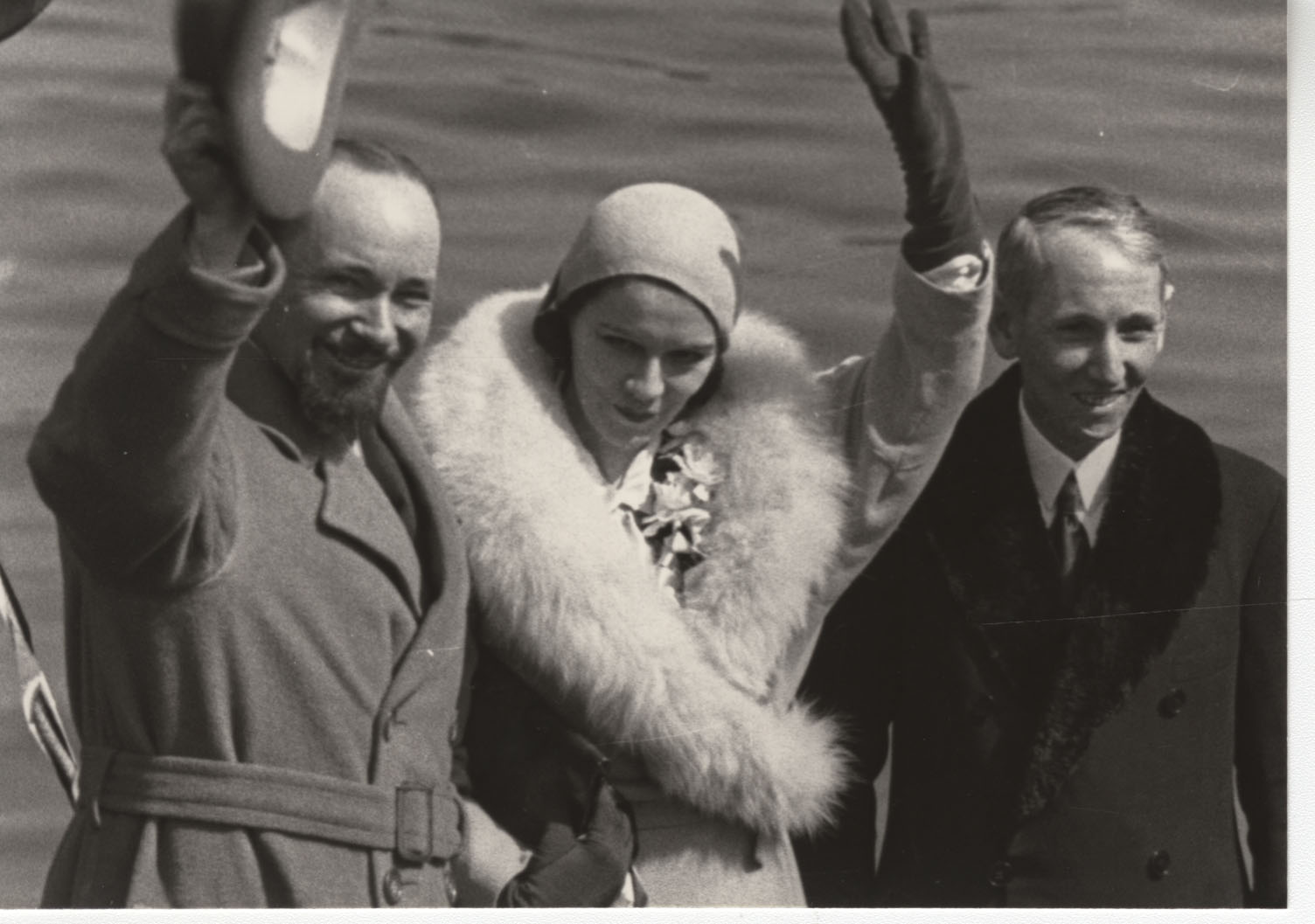
Sir Wilkins and his wife Lady Susan waving.
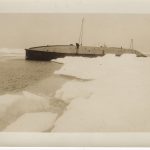
Recently, over one hundred images documenting the Nautilus expedition were acquired by the Ohio State University’s Polar Archives in 2015 and join the larger Wilkins Collection held by the repository. These images span the entire expedition, from Wilkins and his wife Lady Suzanne waving at crowds to images taken from under the ice in the Arctic. Most of the images are of the Nautilus in the Arctic, many likely taken after Wilkins realized that he would be unable to continue the journey as planned. These images tend to depict the Nautilus as it arises from the ocean or as it is banked against the ice.
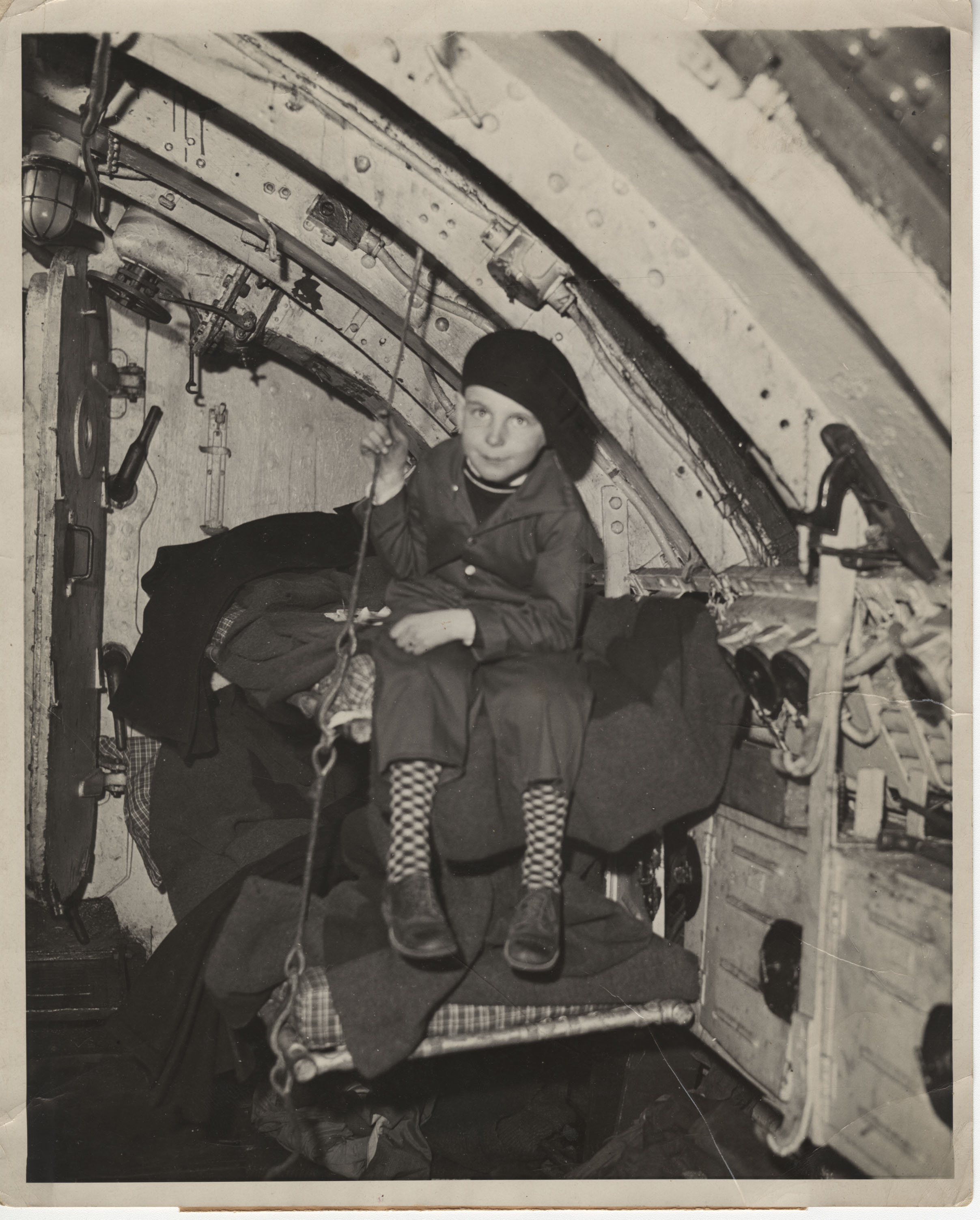
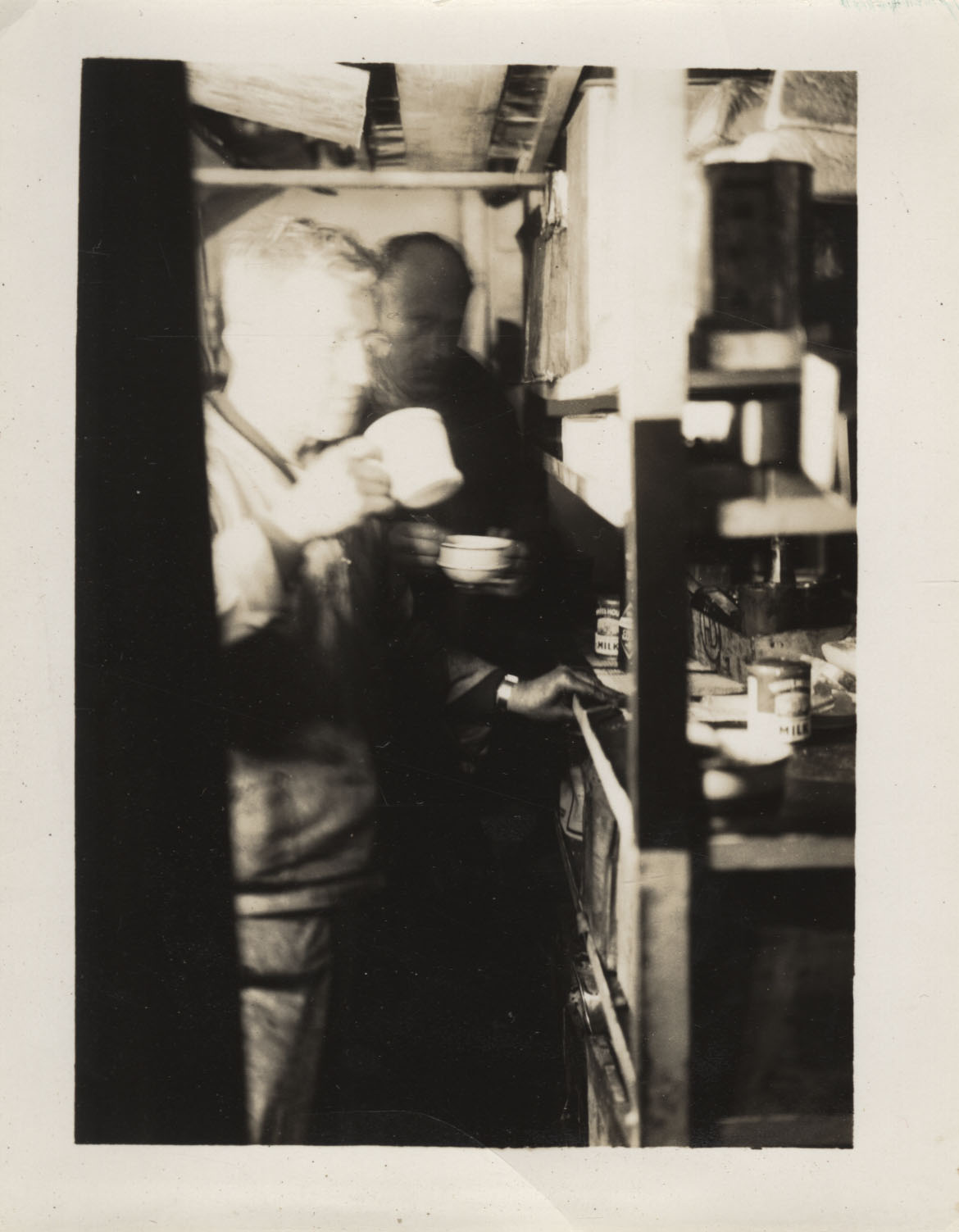
Other images show the crew, the people who risked their lives to adventure; one is of the chief radio operator Ray Meyers holding his young daughter as she appears to kiss him goodbye; another shows a child sitting on the beds in the submarine;  one even shows Wilkins and some of his crew posing for a funny picture, each man clutching their hats and laughing. Some pictures showcase the very cramped conditions on the submarine, include what looks to be a picture of the dining area where there was so little room, that individuals had to eat standing up.

The dining room aboard the Nautilus.
Perhaps some of the most remarkable of the images are those taken while the Nautilus was submerged under the ice. These pictures are the only ones in color, and they have short captions describing the situation and the ice. While these show little more than a deep blue sea and floating ice, they hint at the mystery and the danger the Nautilus and its crew faced while under the sea.
For more information about Sir George Hubert Wilkins or the Nautilus Expedition, please visit the Polar Archives: go.osu.edu/polararchives.
-
-
A formal picture of Wilkins and some of the Nautilus’ crew.
-
-
Ray Meyers and his family after their arrival in New York.
-
-
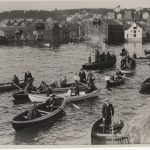
The Nautilus’ arrival in Bergen, Norway, where several scientists joined the expedition.
-
-
The Nautilus among the ice.
-
-
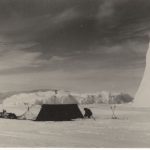
A campsite on the ice.
-
-
Wilkins and Ray Meyers operating a radio.
-

-
One member of the Nautilus’ crew rowing a boat between the ice shores.
-
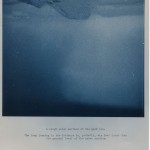
-
Image taken form underneath the Arctic ice.
-
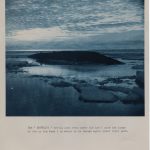
-
The Nautilus after it has reemerged from under the ice.
[i] Nasht, Simon. 2005. The last explorer: Hubert Wilkins: Australia’s unknown hero. Sydney: Hodder Australia.pg, 247


 and growth of departments. The centennial histories followed the general theme of the Centennial project: “to assess [the] first 100 years and utilize this heritage as a foundation for building an even greater institution.” Before this period of time, little information was collected about the history of departments.
 sources, including histories of the University in general.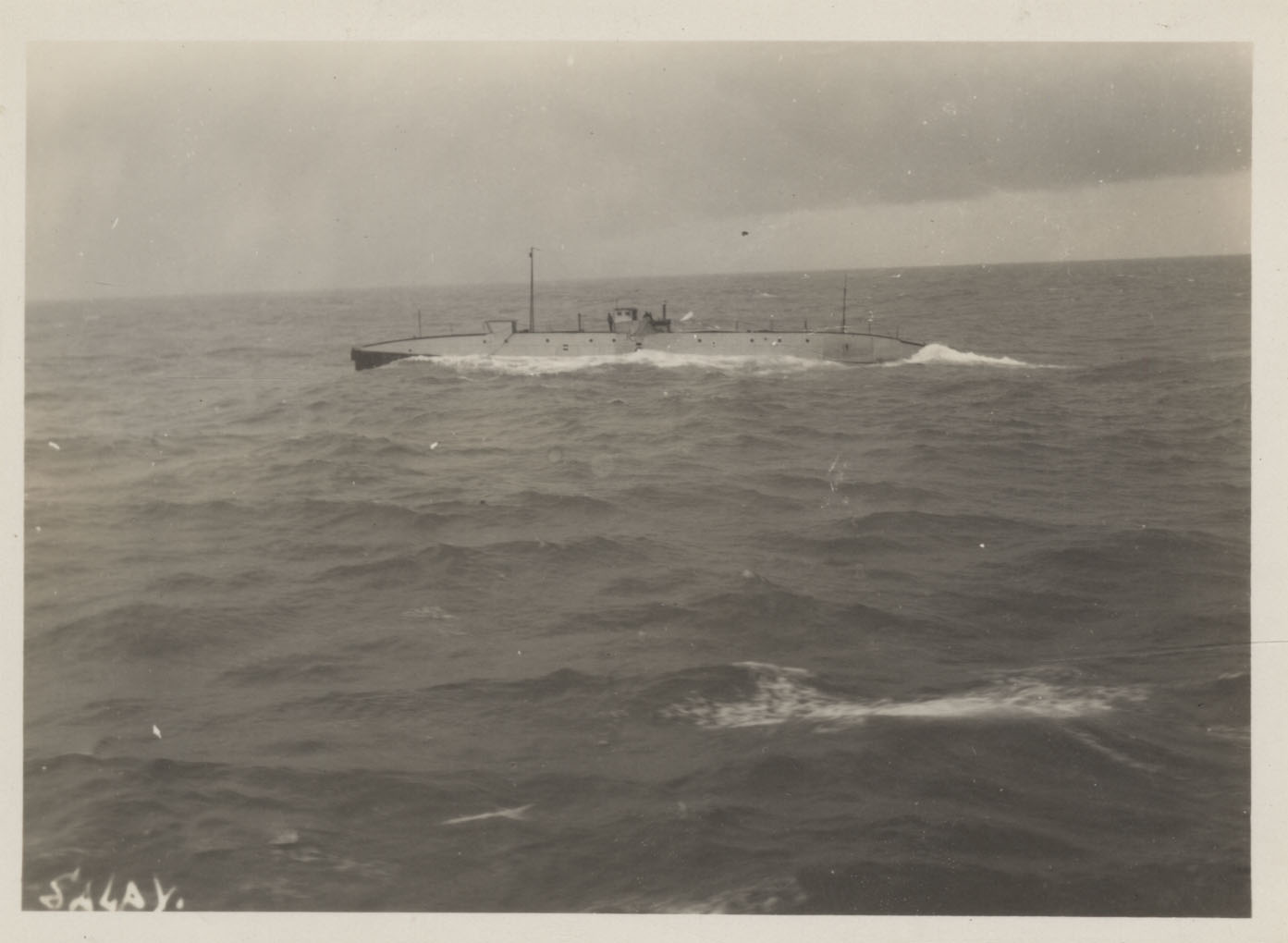








Recent Comments