From Woody's Couch

Our Playbook on OSU History

Category: Students (page 29 of 32)

Twelve Days of Buckeyes: Late to class? Give yourself a demerit!

A chemistry class in 1885

With its current focus on selective admissions, OSU can boast of a student body dedicated to scholarly pursuits; when Ohio State was first opened in 1873, the University relied on demerits to keep students academically focused. It was a pretty simple system:

The penalty for an unexcused absence from class or from drill was four demerits; an unexcused failure in recitation got you two demerits; and for each unexcused tardiness, one demerit was assigned. If a student received ten demerits in a single term, twenty-five demerits in the first two terms or thirty in the first year, the parents were notified. Expulsion was the price to pay for twenty demerits received in the first term, thirty-five in the first two terms, or forty during the year.

There’s no record of how many demerits were issued; the system was abolished fifteen years later, except for preparatory classes. OSU’s third president, William H. Scott, wrote at the time: “This action by no means exempts students from accountability; but instead of having a definite penalty measured out by law for each delinquency, they must answer for any abuse of their liberty to the teacher in whose class the delinquency occurs.”

Orton, 1875

That’s according to James Pollard’s 1959 history of OSU, where he also recounts how little misbehavior there was in general. According to Pollard, OSU President Edward Orton apparently was impressed by the dearth of mayhem on campus: “We have been happily free during our short history from the relics of barbarism that still survive in so many colleges in the shape of hazing and the reckless destruction of property.”

North Dorm students, 1889

Not counting the North Dorm, of course. Several OSU Alumni Monthly articles have recounted stories of OSU’s first residence hall, where male students lived, and its collegiate atmosphere: Stolen pigs appearing in dorm rooms, firecrackers set off in the house, coal scuttles tossed down the stairs at night. Apparently, it also was common in the dorm to shoot out of the window. Aiming seems to have been optional – in one incident, a horse was hit, so then-University President Edward Orton ordered all of the boys to produce their weapons in order to match bullet to the gun. It was, to his chagrin, and the detriment of justice, that every boy in residence produced a .32 caliber revolver.



Twelve Days of Buckeyes: Women in the R.O.T.C.

In 1958, the voluntary Coed Cadet Corps was formed at OSU, providing the framework for the nationwide incorporation of women into ROTC in 1973. (The Co-ed Cadets are shown here in 1965.)

In 1969 OSU became the first university to offer training for co-eds for the Women’s Air Force (WAF).

Orkins, 1971

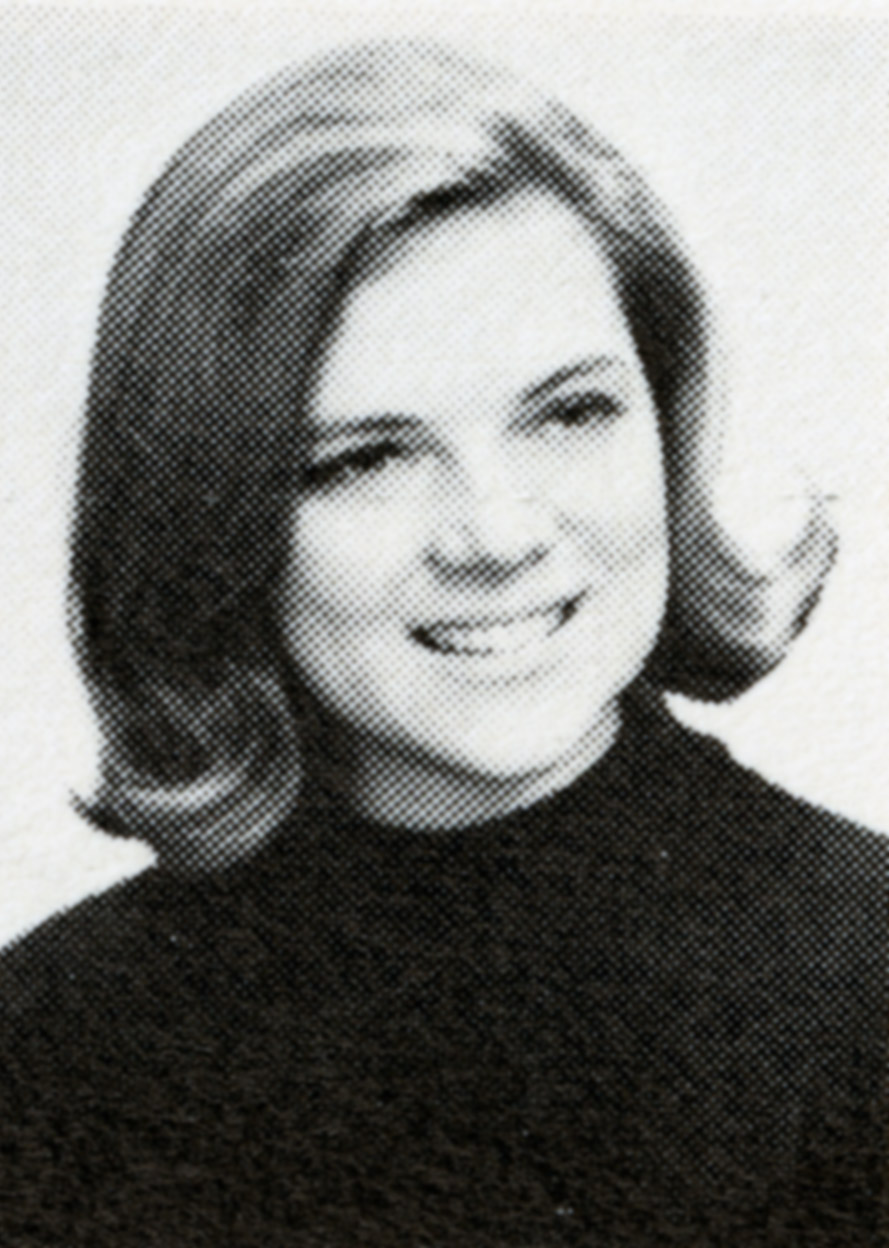
In 1970 Capt. Rosetta A. Armour came to OSU, and became the first African-American WAF instructor to join a University’s staff since the 1950s. And in 1971 Susan Orkins, a senior at OSU, became the first woman in the Air Force ROTC to hold the top student position of cadet commander on any campus. At the time, OSU was one of only four schools in the country to allow women to join the ROTC.


Twelve Days of Buckeyes: Mirror Lake’s colorful past

(With this post, we begin our annual take-off on “The Twelve Days of Christmas,” but instead of riffing on the individual lyrics of this classic holiday song, we decided to offer up tasty treats about twelve events, people or places associated with OSU that – while they may not be well-known – make us thankful at this time to be Buckeyes. First up is one of our favorite spots on campus and one with a very interesting history: Mirror Lake.)

Mirror Lake Islands, 1909

The first reference to “Mirror Lake” comes from the 1912 OSU yearbook, the Makio. However, the lake had attracted attention long before then. University lore says that the site for the campus was chosen partly because of a spring at Mirror Lake’s location that supplied water to the Neil Farm. Yep, people could drink out of it.

The natural spring that fed the lake was first threatened in 1891, when Columbus put a storm sewer through campus. (The sewer became a popular site for photographs at one point.) The spring dried up, but University officials stepped in after a tremendous public outcry, and for the cost of $600, and some supervision by a professional in mines and engineering, the sewer was rerouted and the spring began flowing again. At this time the lake contained islands, which were accessible from bridges. Swans, turtles, and giant goldfish lived in the lake. An annual Tug-of-War was held during May Week that usually resulted in the dunking of all players.

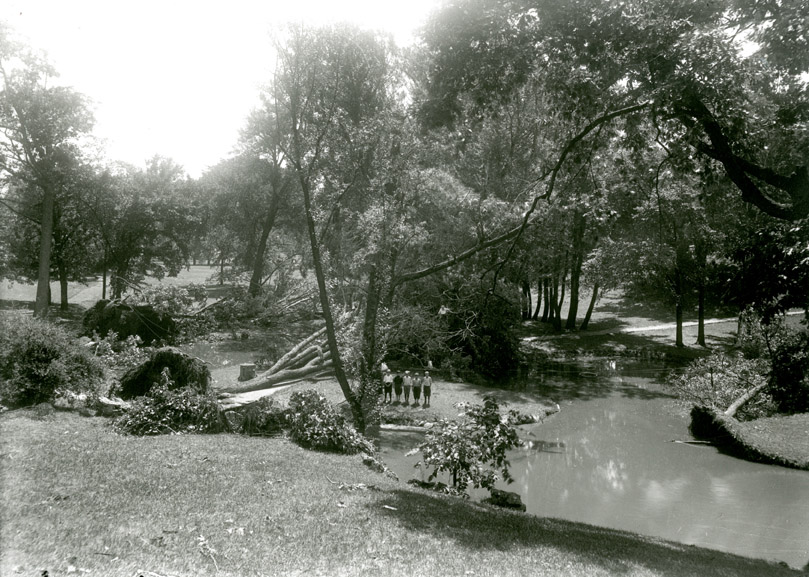
Windstorm damage, 1918

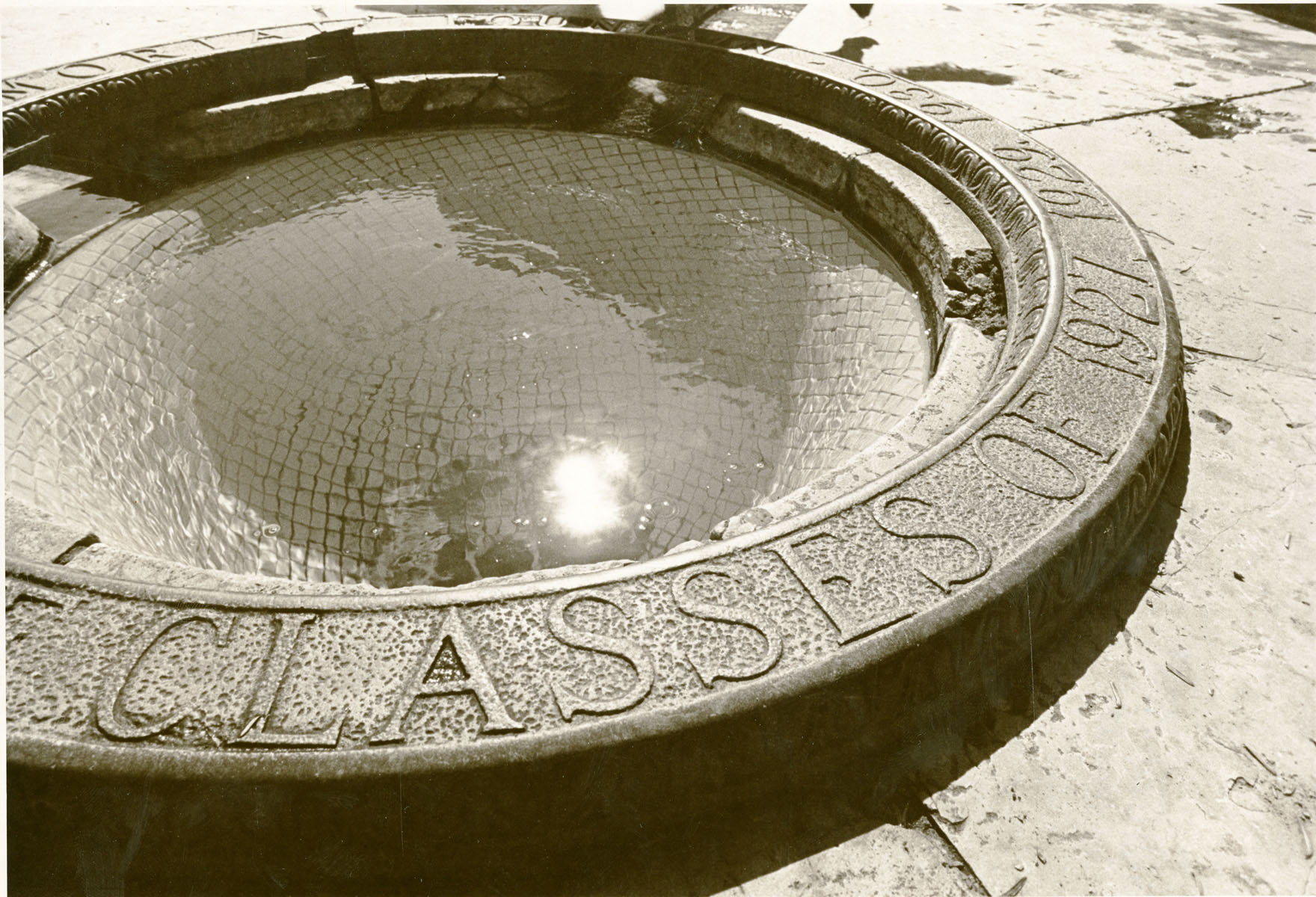
Memorial fountain

In 1918, a windstorm knocked down trees surrounding Mirror Lake and drastically altered its shape. Two years later, because of so much construction on campus, the spring dried up altogether, and again University officials sought to find a solution. The result was the memorial fountain (the class gift for 1927, 1928 and 1930) that stands today at the east end of the lake. The water was pumped from the Olentangy River to the fountain, but this created another problem: The water was sulfuric, and it stank, especially in the spring (no pun intended). No doubt romantic strollers avoided this area at that time. This also meant the end of wildlife in and around the lake. In the 1960s chlorine was piped in through the newly installed fountain to eliminate the smell. Eventually, the city of Columbus started supplying the water and does to this day. During the 1930s, the bottom of the lake was paved with bricks as part of a federal Works Progress Administration project, to better facilitate cleaning.

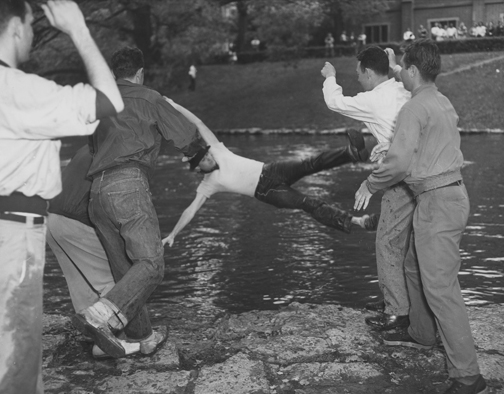
May Week dunking, 1952

Mirror Lake has always attracted bathing, as it were, whether it’s been voluntary or not. Dunking has been very prevalent over the years and has occurred for many reasons other than May Week: to celebrate fraternity elections, to “tap” new members of class honoraries, or to punish freshmen caught without wearing their beanies on their heads. It had gotten so out of hand by 1957 that the University banned it that year after serious injuries were reported the year before. Jumping into Mirror Lake has had no such restrictions, and the tradition of taking a dip in anticipation of the upcoming Michigan football game has continued roughly 20 years after its inception in the early 1990s.

Mirror Lake also has served as a magnet for young lovers, even those who are fighting. In 1964, there was the case of a spat between an engaged couple. The woman removed her engagement ring during the argument, and her fiancé took it from her and threw it into the lake. The following day the girl arrived on campus in a raincoat and a bikini, and went swimming, trying to find her ring (why her fiancé is still unclear). University policemen asked her to get out of the lake, but as only “swimming” was against the rules, she was allowed in to look for the piece of jewelry. After donning a scuba mask, she found the ring and eventually married the fiancé.


Older posts Newer posts