Page 21 of 34

Charles Austin Doan

Charles A. Doan

Charles A. Doan

Charles Austin Doan (1896-1990) enrolled at Hiram College and after he became a senior left on November 7, 1917 to join the U.S. Army Medical Corps where he did clinical laboratory work. He served in World War I and World War II. He then enrolled at the University of Cincinnati completing the requirements for entrance into The Johns Hopkins Medical School, and during his four years there he spent two summers in investigative work at Harvard and one summer at the Peter Bent Brigham Hospital. Following receipt of his M.D. degree in 1923 he studied abroad for several months then returned to the Department of Medicine at Harvard. For the next five years he was associated with the Rockefeller Institute and worked there with Dr. Florence Sabin from 1925 to 1930.

In 1930, he came to the Ohio State University as Professor of Medicine as well as Director of the newly established Department of Medical and Surgical Research. At Ohio State, Doan served as Professor and Chairman, Department of Medical and Surgical Research, 1930 – 1936; Professor of Research Medicine, 1936 – 1961; Professor of Medicine, 1936 – 1961; Chair, Department of Medicine, 1936 – 1944; Dean, College of Medicine, 1944 – 1961; Physician-in-Chief, Starling Loving and St. Francis Hospitals, 1936 – 1944; Director of Starling Loving Hospital, 1944 – 1951; Director of University Hospital and Health Center, 1951 – 1961; and, Chief of Division of Hematology, 1952 – 1966.

He was the single individual most responsible for the conception and the fundraising of the new University Hospital which was completed in 1951. University Hospital was renamed Doan Hall in 1984. He also encouraged the development of the College of Nursing and acquired what became Upham and Means Hall.

Doan was one of the major individuals who helped established blood banking and the volunteer donor program while he was a member of the Medical Advisory Board and the American Red Cross. He was also known for his research and clinical studies which proved that humans can exist without a spleen and that removal of a spleen would cure some blood dyscrasias. He published more than 250 scientific articles.

The Medical Heritage Center has an archival collection about Dr. Doan and the finding aid for it can be viewed at https://hsl.osu.edu/mhc/pdf/charles-doan-md-collection. They also sell a book about him for $12 plus applicable sales https://hsl.osu.edu/service-areas/mhc/services/publications-sale.

Leslie L. Bigelow

Leslie Bigelow

Leslie Bigelow

Leslie L. Bigelow (1880-1943) received his A.B. from Harvard College in 1903 and his M.D. from Harvard Medical School in 1906. He married Elizabeth Cole on June 8th, 1909 and had three sons: Edmund Lawson, Leslie Cole and Robert Gibbons. Bigelow taught at Starling-Ohio Medical College from 1912-1914. He then taught surgery at The Ohio State University College of Medicine, attaining full professorship in 1938. He also served as surgeon at Grant, St. Francis and Children’s Hospitals, where he was Chief of Staff for 25 years. He was one of the original founders of the Ohio Society for the Prevention of Tuberculosis, a Fellow of the American College of Surgeons in 1914, and the Ohio State Medical Association President (1927- 1928). Bigelow was also a former President of the Chesapeake and Ohio Association of Surgeons and member of the Columbus Medical Academy of Medicine. In 1942 he was appointed Acting Dean of the OSU College of Medicine, but died suddenly on January 15, 1943.

The Medical Heritage Center has an archival collection about Dr. Bigelow and the finding aid for it can be viewed at https://hsl.osu.edu/mhc/pdf/leslie-l-bigelow-md-collection

Sigma Theta Tau Epsilon Chapter

In 1932 the Epsilon Chapter at The Ohio State University School of Nursing was the fourth chapter to be chartered by Sigma Theta Tau, the international honor society of nursing. The charter members included nine nursing students and two faculty members.

The focus of the Epsilon Chapter is educational excellence and research as well as service to nursing and society.

In 1939, the Epsilon Chapter was the first chapter to initiate post-graduate students who were registered nurses who had returned to school to earn a baccalaureate degree.

The next forty years of the Epsilon Chapter were involved with promotion of scholarship, recruitment of members, and service. In 2007 the Epsilon Chapter celebrated its 70th anniversary. Over 2800 members have been inducted into the Epsilon Chapter.

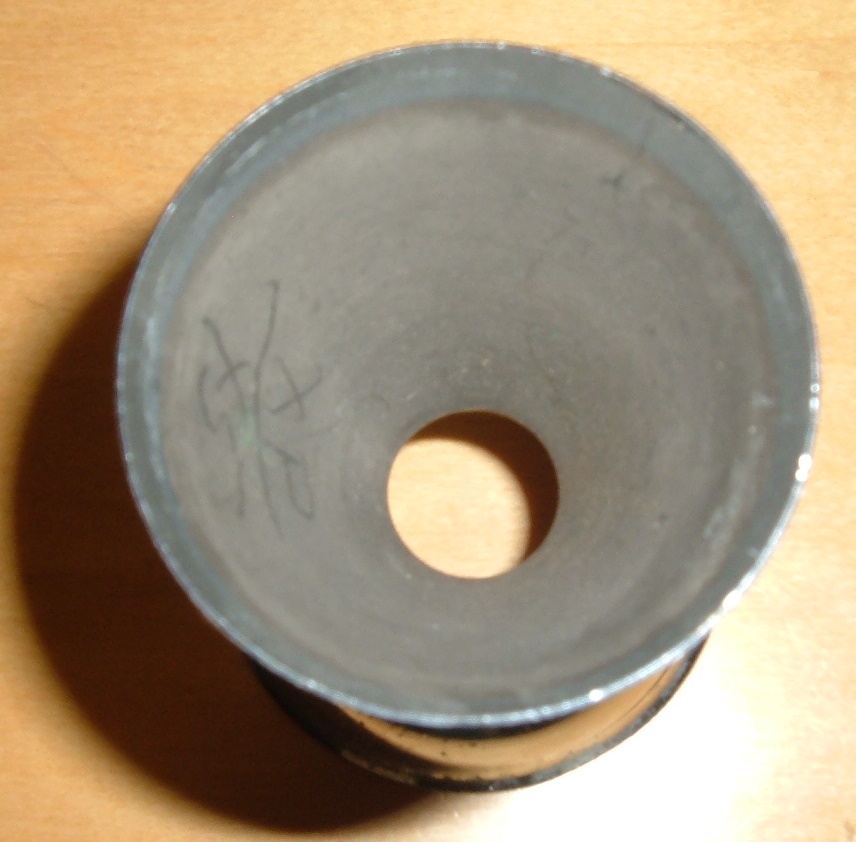
Help Identify this Artifact!

Help us identify this artifact!

This artifact:

1.) is made of a lightweight metal

2.) measures 2 5/8″ high by 2″ wide

3.) has hole that goes straight through

4.) written inside in pencil it says XP/X5 (inside image 2)

If you know what this artifact is or have any ideas, please leave a comment or email us at mhcmail@osumc.edu!

Image 1

Image 1

Image 2
Image 2

Charles William Pavey

Charles Pavey

Charles Pavey

Charles William Pavey II (1906-2004) received a Bachelor of Science from Ohio State in 1926. He promptly followed that with a medical degree from the class of 1928. At the time of his death in 2004 he was the youngest man to ever graduate from The Ohio State University College of Medicine.

Pavey’s medical career spanned 57 years; 43 of which were spent as a member of the OSU faculty in the Department of Obstetrics and Gynecology. He also unofficially held the title of most experienced obstetrician in Columbus. In his 57 years of service, Pavey is said to have delivered more than 25,000 babies, and no one is disputing this claim. Celebrated journalist Walter Winchell even nicknamed Pavey “the Baby-Catcher” in a 1932 column for the Ohio State Journal.

The Medical Heritage Center has an archival collection of Dr. Pavey’s and the finding aid for it can be viewed at https://hsl.osu.edu/mhc/pdf/charles-w-pavey-md-collection

Neil Hall

Neil Hall

Neil Hall

In 1926 Neil Hall was built. It consisted of 150 rooms on 4 floors and held up to 270 women. Many nursing students resided here in the 1940’s-1960’s. The building was torn down in 1997. It was located at 1634 Neil Avenue, the present site of CVS Pharmacy/Younkin Success Center.

The University leased Neil Hall from a private owner who gave the building its name. The University leased the building from the time of its construction until 1942 when they purchased the building.

John Howell Janeway Upham

John H. J. Upham

John H. J. Upham

John Howell Janeway Upham (1871-1960) received his BS (1891) and MD (1894) from the University of Pennsylvania. He was a professor at Starling Medical College (1897-1899), Ohio Medical University (1900-1902), Starling-Ohio Medical College (1907-1914), and Ohio State (1914-1941). He served as Dean of the OSU College of Medicine from 1928-1941.

Upham Hall, a building on The Ohio State University campus from 1951 to 1998, was named in his honor and used for psychiatric care. It was located where the OSU Harding Hospital and the Davis Heart and Lung Research Institute now stand on 12th Ave.

A book written by Charles Wooley and Barbara Van Brimmer about Dr. Upham’s life is available for sale at the Medical Heritage Center for $12 plus applicable sales tax: https://hsl.osu.edu/service-areas/mhc/services/publications-sale

Eugene McCampbell

Eugene McCampbell

Eugene McCampbell

In 1917 Eugene F. McCampbell succeeded Means as Dean of the College of Medicine and served until 1927.

Eugene Franklin McCampbell (1881-1937) received his BS in 1904 and PhD in 1911, both from the University of Chicago. He received his MD from Rush Medical College in 1912. He was a member of the OSU College of Medicine faculty (1914-1917) and Dean of the College (1917-1927). McCampbell Hall was named in his honor on March 5, 1971 and opened in 1972.

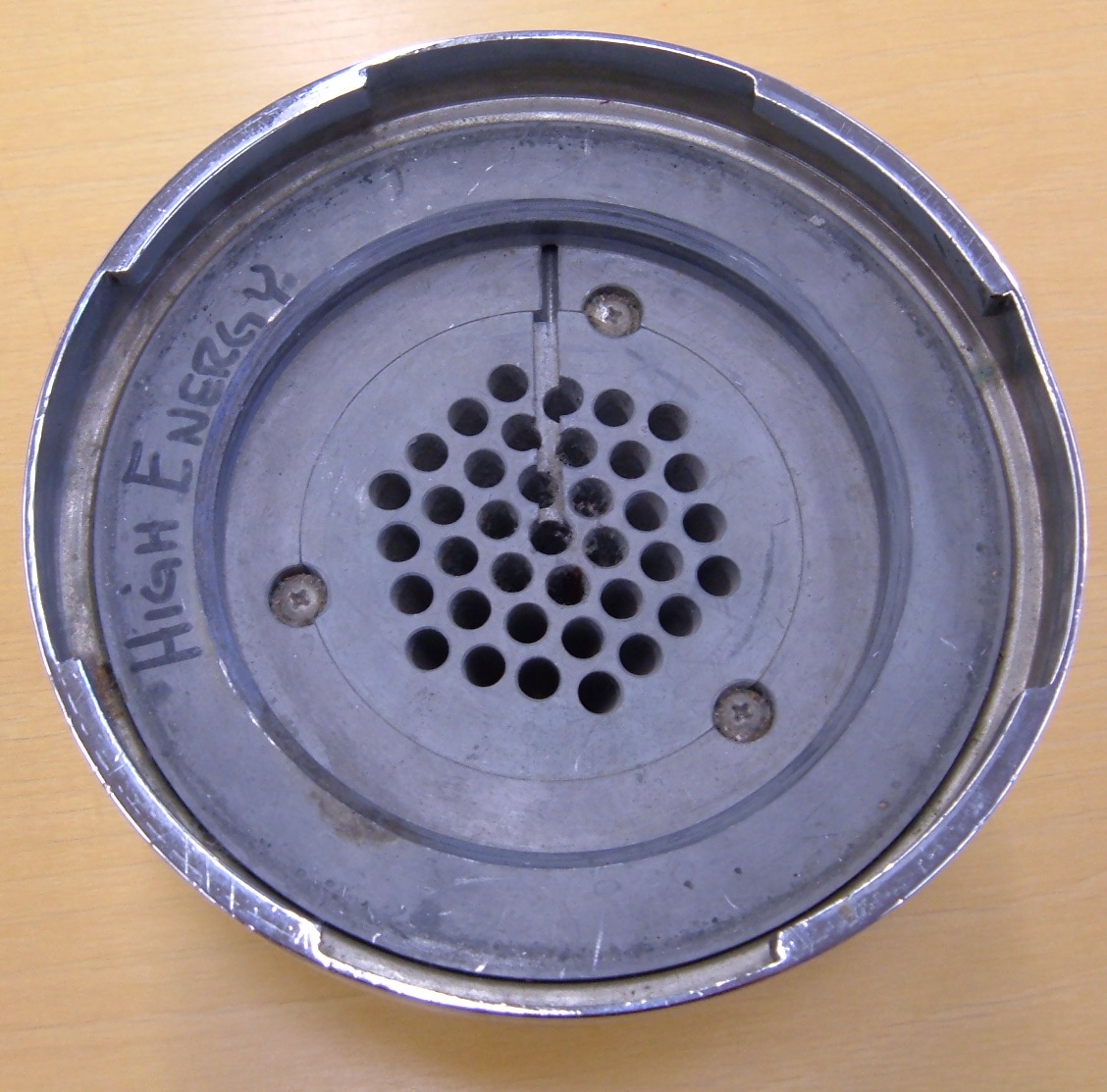
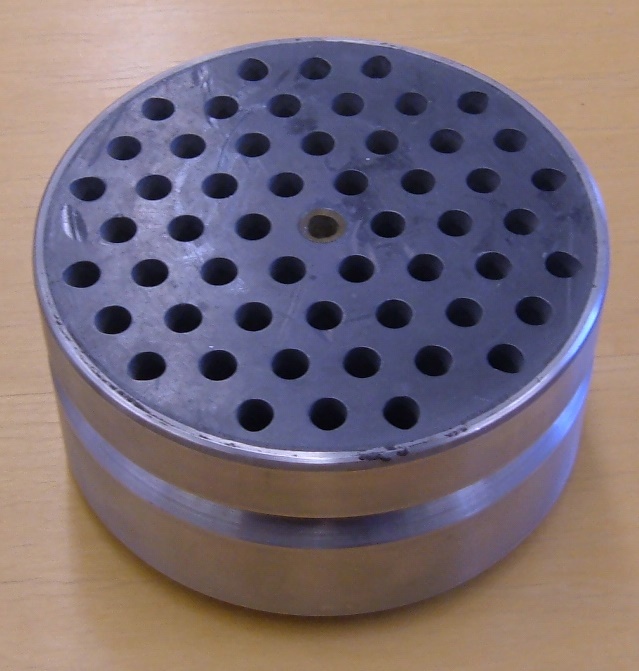
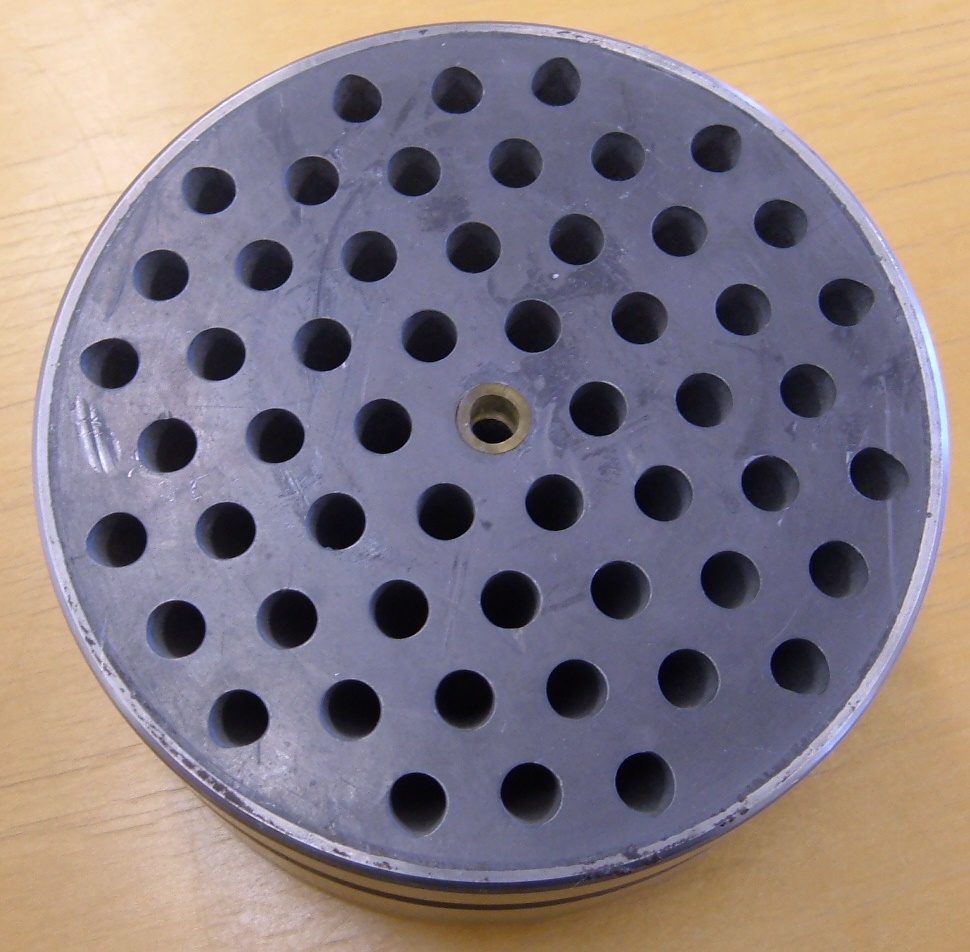
Help Identify these Artifacts!

Help us identify these artifacts.

There are three total, two cone shaped artifacts (images 1 and 2) and one round notched one (image 3 and 4).

Here’s what we know about them:

1.) each one is made of lead

2.) each one weighs roughly 50 lbs.

3.) the label on the side says “high energy”

4.) we suspect they are part of a larger machine

5.) the holes go all the way through to the other side and are graduated (get smaller from one side to the other)

If you know what these are or have any ideas, either leave a comment or email us at mhcmail@osumc.edu!

crowd sourcing image january 002

Image 1

crowd sourcing image january 004

Image 2

crowd sourcing image january 005

Image 3

crowd sourcing image january 006

Image 4


First Nursing Class

Homeopathic Hospital Staff, 1919

Homeopathic Hospital Staff, 1919

Four women comprised the first class of the Homeopathic Hospital Training School for Nurses, a three-year diploma program. Education consisted of a once-a-week lecture and 12 hour hospital shifts, seven days a week with tending to patients, folding linens, mixing medication, cleaning instruments, delivering food, and occasionally mopping floors or washing dishes.

« Older posts Newer posts »