Category: Centennial (page 4 of 5)

Sigma Theta Tau Epsilon Chapter

In 1932 the Epsilon Chapter at The Ohio State University School of Nursing was the fourth chapter to be chartered by Sigma Theta Tau, the international honor society of nursing. The charter members included nine nursing students and two faculty members.

The focus of the Epsilon Chapter is educational excellence and research as well as service to nursing and society.

In 1939, the Epsilon Chapter was the first chapter to initiate post-graduate students who were registered nurses who had returned to school to earn a baccalaureate degree.

The next forty years of the Epsilon Chapter were involved with promotion of scholarship, recruitment of members, and service. In 2007 the Epsilon Chapter celebrated its 70th anniversary. Over 2800 members have been inducted into the Epsilon Chapter.

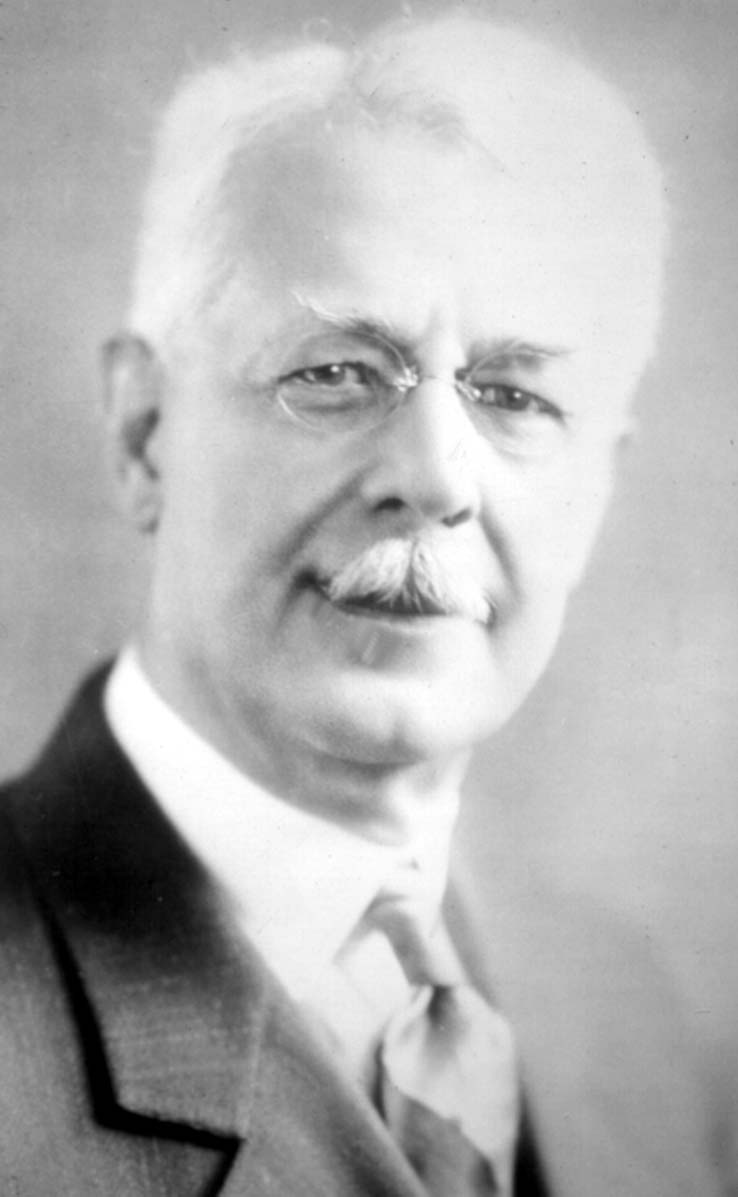
Charles William Pavey

Charles Pavey

Charles Pavey

Charles William Pavey II (1906-2004) received a Bachelor of Science from Ohio State in 1926. He promptly followed that with a medical degree from the class of 1928. At the time of his death in 2004 he was the youngest man to ever graduate from The Ohio State University College of Medicine.

Pavey’s medical career spanned 57 years; 43 of which were spent as a member of the OSU faculty in the Department of Obstetrics and Gynecology. He also unofficially held the title of most experienced obstetrician in Columbus. In his 57 years of service, Pavey is said to have delivered more than 25,000 babies, and no one is disputing this claim. Celebrated journalist Walter Winchell even nicknamed Pavey “the Baby-Catcher” in a 1932 column for the Ohio State Journal.

The Medical Heritage Center has an archival collection of Dr. Pavey’s and the finding aid for it can be viewed at https://hsl.osu.edu/mhc/pdf/charles-w-pavey-md-collection

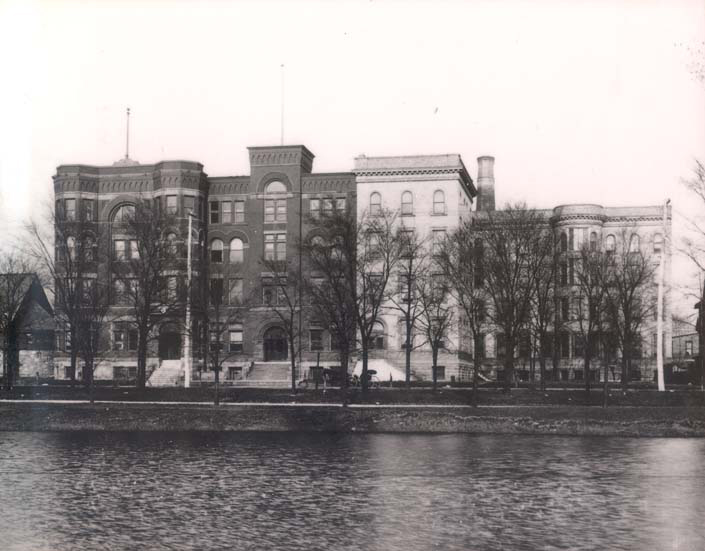
Neil Hall

Neil Hall

Neil Hall

In 1926 Neil Hall was built. It consisted of 150 rooms on 4 floors and held up to 270 women. Many nursing students resided here in the 1940’s-1960’s. The building was torn down in 1997. It was located at 1634 Neil Avenue, the present site of CVS Pharmacy/Younkin Success Center.

The University leased Neil Hall from a private owner who gave the building its name. The University leased the building from the time of its construction until 1942 when they purchased the building.

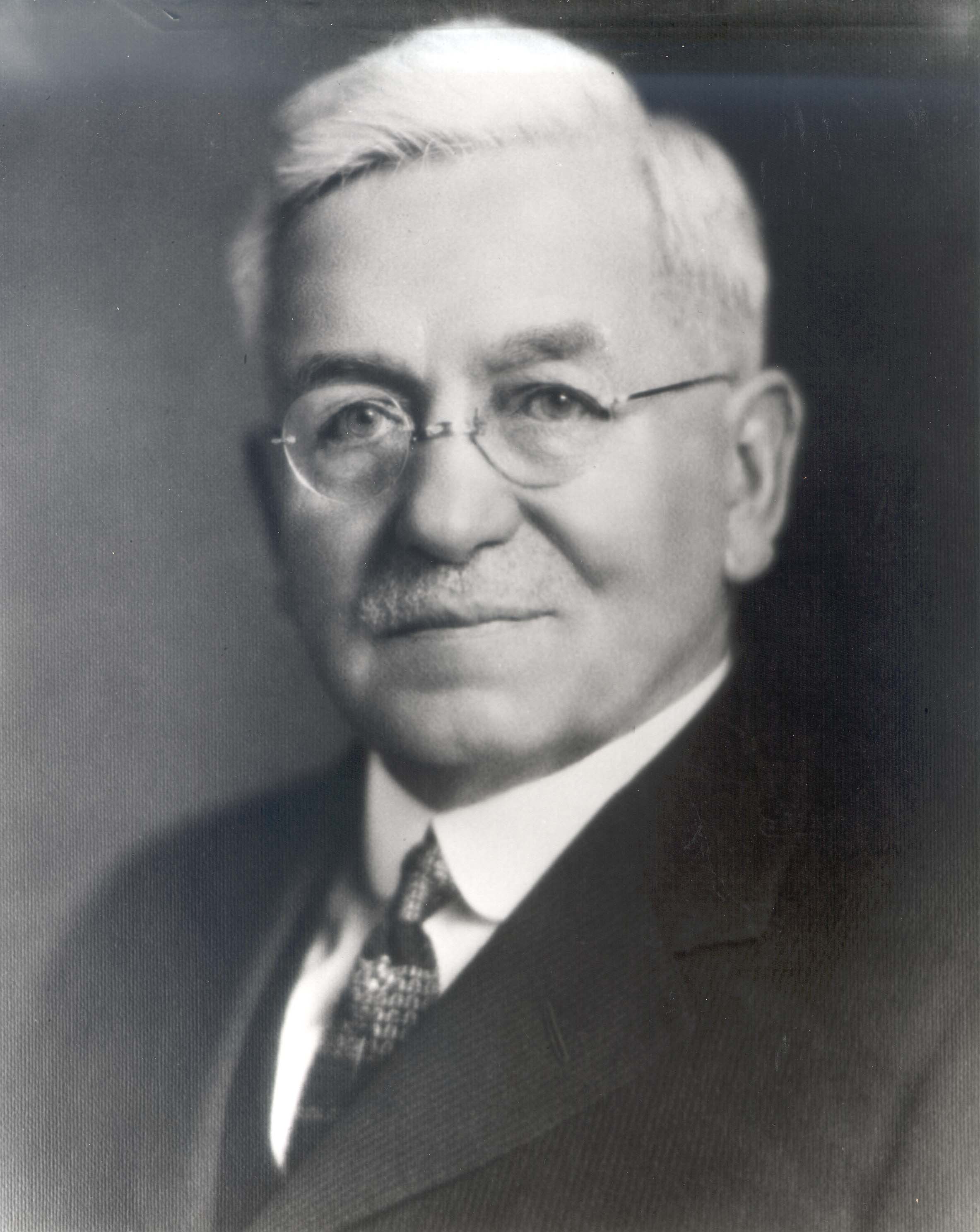
John Howell Janeway Upham

John H. J. Upham

John H. J. Upham

John Howell Janeway Upham (1871-1960) received his BS (1891) and MD (1894) from the University of Pennsylvania. He was a professor at Starling Medical College (1897-1899), Ohio Medical University (1900-1902), Starling-Ohio Medical College (1907-1914), and Ohio State (1914-1941). He served as Dean of the OSU College of Medicine from 1928-1941.

Upham Hall, a building on The Ohio State University campus from 1951 to 1998, was named in his honor and used for psychiatric care. It was located where the OSU Harding Hospital and the Davis Heart and Lung Research Institute now stand on 12th Ave.

A book written by Charles Wooley and Barbara Van Brimmer about Dr. Upham’s life is available for sale at the Medical Heritage Center for $12 plus applicable sales tax: https://hsl.osu.edu/service-areas/mhc/services/publications-sale

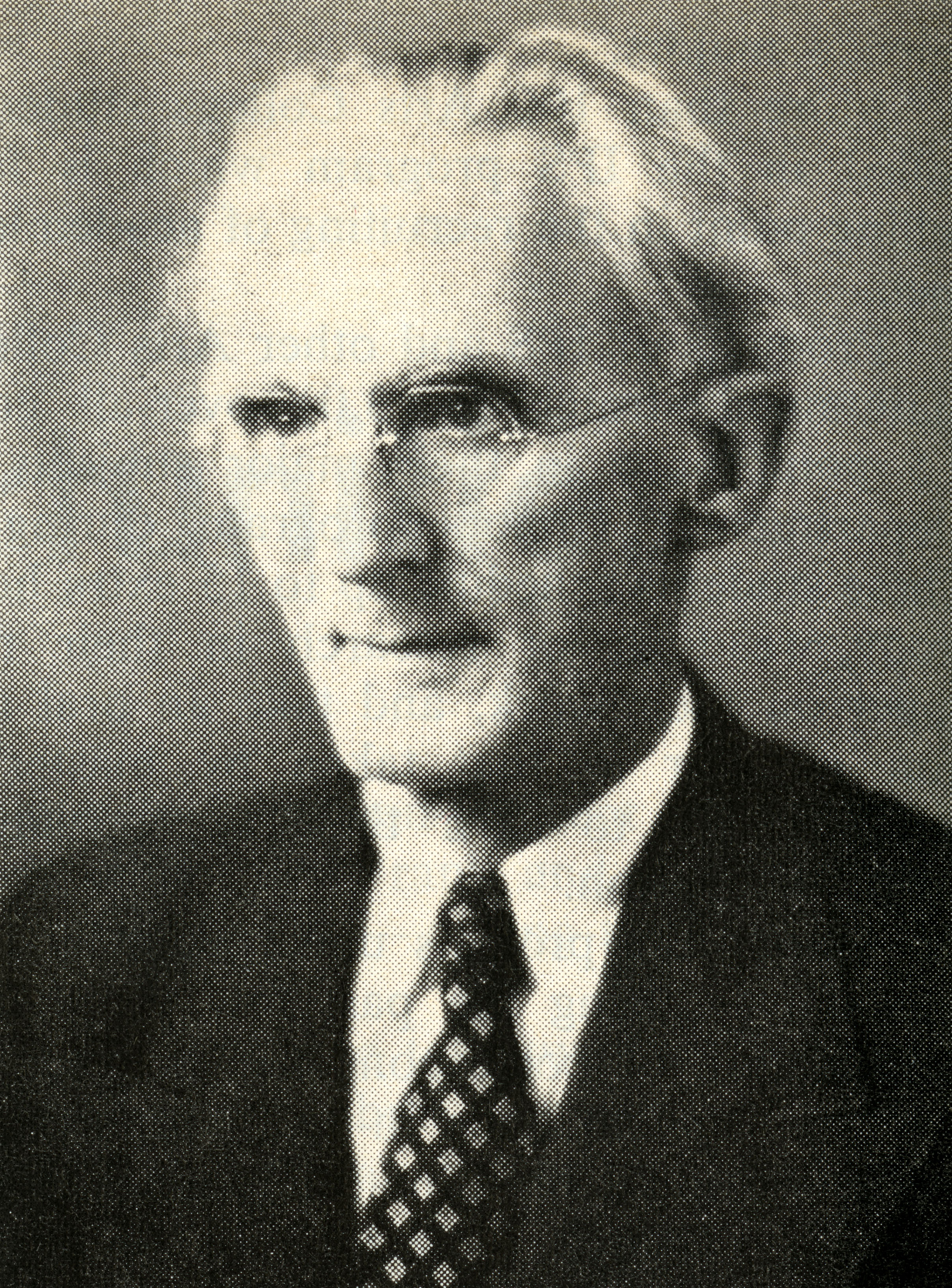
Eugene McCampbell

Eugene McCampbell

Eugene McCampbell

In 1917 Eugene F. McCampbell succeeded Means as Dean of the College of Medicine and served until 1927.

Eugene Franklin McCampbell (1881-1937) received his BS in 1904 and PhD in 1911, both from the University of Chicago. He received his MD from Rush Medical College in 1912. He was a member of the OSU College of Medicine faculty (1914-1917) and Dean of the College (1917-1927). McCampbell Hall was named in his honor on March 5, 1971 and opened in 1972.

First Nursing Class

Homeopathic Hospital Staff, 1919

Homeopathic Hospital Staff, 1919

Four women comprised the first class of the Homeopathic Hospital Training School for Nurses, a three-year diploma program. Education consisted of a once-a-week lecture and 12 hour hospital shifts, seven days a week with tending to patients, folding linens, mixing medication, cleaning instruments, delivering food, and occasionally mopping floors or washing dishes.

William J. Means

William Means

William Means

William J. Means (1853-1929) has been credited with combining the Starling-Ohio Medical College (SOMC) and The Ohio State University in 1914. He graduated from the Cincinnati College of Medicine and Surgery with his MD in 1874. He was on the staff of the Ohio Medical University (1892-1906) and SOMC (1907-1914), and was made Dean of SOMC (1909-1914). He became the first Dean of the OSU College of Medicine in 1914 and was Chair and Professor in the Department of Surgery until 1916.

Means Hall was built in 1951 and was officially named William J. Means Hall in 1968. It functioned first as a Tuberculosis Hospital and then as an office building until 2009 when it was demolished.

Origins of the OSU College of Optometry

Charles Sheard

Charles Sheard

Charles Sheard, Ph.D., Assistant Professor of Physics, came to OSU in 1907. He had acquired considerable knowledge in physiological and ophthalmic optics and had published various papers on these subjects. He also put his knowledge into practical application by carrying on a small part-time optometric practice, largely among faculty members, at his house at 367 West 10th Avenue.

In the spring of 1908 Dr. Sheard was invited to give some lectures to the Ohio State Optical Association at its convention, and he made a deep impression. In the next few years, a number of optometric leaders in the area tried to interest him in the need for a better optometric education.

In 1914, thirty-three states passed laws recognizing the profession of optometry. Some state laws required no education to practice, only that the optometrist pass a state board examination, while others, among them New York, Iowa, Delaware, Indiana, and Michigan, required at least two years of high school, plus three years of study in an optometrist’s office or graduation from a school of optometry. Ohio didn’t pass an optometry law until 1919.

Columbia University in 1910 had started a two-year certificate course in optometry. Ohioans constituted the largest group of out-of-state students at Columbia, including the top students in two of the first three classes.

In August 1914 Dr. Sheard submitted a proposal to University President William Oxley Thompson and the Board of Trustees recommending a two-year certificate program in optometry patterned after that at Columbia. Dr. Sheard had on July 6 and 7 received the unanimous vote of the convention of the Ohio State Optical Association authorizing him to submit the proposal and pledging $2,000 to be given to the University by September 1, ten students, and equipment necessary for the courses in optometry. On August 4 the University Trustees approved the proposal and named Dr. Sheard Professor of Applied Optics and director of the courses.

Origins of the OSU College of Dentistry

Ohio Medical University

Ohio Medical University

Ohio in 1868 became one of three states to be among the first to pass a dental practice act.  The Ohio State Dental Society, founded in 1866, had in its purpose the idea of advancing the profession by ridding it of incompetent dentists and charlatans.  The Ohio law made it illegal for anyone to practice dentistry for compensation in the state unless that person had receive a diploma from a dental college or had been issued a certificate of qualification by the state dental society or a local society that was an auxiliary of the state organization.

The act provided for the appointment of a state dental board by the state dental society, to oversee the regulation of the profession.  The newly appointed board decided to examine only those who were not graduates of dental schools and were new to practice.  Dentists already in practice were waived from the examination until 1873. As time passed, the examination became more rigorous.  The examination process for certification became dreaded by many who desired a career in dentistry.  Attending a dental school and being certified for practice by simply graduating looked more inviting than a preceptorship of two or three years and an examination.

Another event around 1868 was the establishment of a dental school within Harvard University that marked the first successful placement of dental education within a university.  From that date on the majority of dental schools founded were university affiliated.

The Ohio State University College of Dentistry originated as the dental department of the Ohio Medical University, a freestanding, private institution which was organized and chartered in Columbus in 1890 (the first class session began in 1892).

A new dental law was enacted in May 1892 that provided a five-member board, appointed by the Governor rather than by the state dental society and further required all licensed dentists in the state to re-register.

During the winter of 1906-1907 the trustees of the Starling Medical College and of the Ohio Medical University, recognizing the great advantages that would accrue to the cause of education and to the entire medical profession by union and co-operation, transferred the property and equities of these two corporations to a Board of their own selection with power to incorporate a new college. This action was taken March 13, 1907, the name agreed upon, Starling-Ohio Medical College (SOMC), being a happy combination of the names of the only medical colleges in central Ohio at the time of the union. The new corporation included a Medical College, a Dental College and a Pharmacy College, designated as Departments.

There was a vision of greater things for both SOMC and The Ohio State University when Dr. William Oxley Thompson, president of OSU, was elected president of the SOMC.  Property difficulties were ultimately overcome, and the Legislature authorized, in a bill introduced by Senator E. G. Lloyd, the creation in the Ohio State University not only of a College of Dentistry, but also of a College of Medicine. At the May, 1913, meeting of the Trustees of the Ohio State University, President Thompson presented a proposal from the trustees of SOMC to transfer the real and personal property of that institution to them, provided they would maintain colleges of medicine and dentistry, accept the students in medicine, dentistry, and pharmacy with the rank and standing as certified by the proper officers of SOMC and take the necessary steps to protect the professional rights of the alumni, receiving and preserving the necessary records and papers.  A supplementary proposition was later received, offering to turn over, in addition to the properties, case on hand, after payment of all bills— a balance estimated at $12,000.

These propositions were accepted in January, 1914, by the trustees, who adopted resolutions establishing the College of Medicine and the College of Dentistry.  The property, which was transferred in March, consisted of two lots and a college and hospital building on Park Street, subject to a lease by the Protestant Hospital Association, and three lots on State Street, on which the Starling Medical College/St. Francis Hospital building was located, besides all chattel and personal property.

In April 1914, Dr. Harry M. Semans was elected dean, and a faculty of 24, one-half of whom were salaried, was appointed.  William M. Mutchmore was elected registrar.

Origins of the OSU College of Nursing

OSU Homeopathic Hospital, 1914-1917

OSU Homeopathic Hospital, 1914-1917

In 1914 The Ohio State University acquired the Cleveland-Pulte Medical College, a homeopathic college, and created a College of Homeopathic Medicine. The first hospital on campus, run out of a house on Neil Avenue formerly known as the “Little Dorm”, was run by the College of Homeopathic Medicine. The Homeopathic Hospital required a nursing staff and thus the start of the Homeopathic Hospital Training School for Nurses, a three-year diploma program, began in 1914.

Older posts Newer posts