Year: 2011 (page 5 of 6)

2011 Warren Lecture

2011 Annual James V. Warren Memorial Lecture

FEATURING Dr. George W. Paulson, MD

“The Pursuit of Excellence at the OSUMC: How Problems Became Progress”

Join us for a lecture and book signing by George W. Paulson, MD, in celebration of his recently-published book, In Pursuit of Excellence: The Ohio State University Medical Center– From 1834 to 2010. Dr. Paulson will briefly review the historical progress of the OSUMC from its inception in 1834 until the recent days. There will be emphasis on issues and problems which, after they were addressed, served both to enrich the academic quality and to enhance the delivery of patient care. Such problems included the location off campus, homeopathy, the practice plan battle, town gown concerns, and issues of competition. Problems for the future may include isolation from the local medical community, and optimal allocation of resources for research, teaching, and service. By any or all criteria OSUMC has done well, and the journey, the Pursuit, merits celebration and remembrance. Books will be available for sale and signing at the end of the lecture.

Thursday, March 31, 2011

Reception at 4pm; Lecture at 4:30pm

Dorothy M. Davis Heart and Lung Research Institute Auditorium (Room 170)

473 West 12th AvenueThe Ohio State University Medical Center Campus

FREE and open to the publicParking: We suggest parking in the 12th Avenue Garage.

Please visit http://medicalcenter.osu.edu/maps/Pages/index.aspx for maps and updated direction and parking information.

Visit http://mhc.med.ohio-state.edu/ or call (614) 292-9273 for event information.

Nursing Caps

No one has ever discovered the true origin of the cap. It has been suggested that the cap was influenced by the stiff white caps worn by the women trained as nurses at the Institute of Protestant Deaconesses, which was founded by Pastor Theodore Fliedner at Kaiserwerth in Germany in 1836. Florence Nightingale once took a course in training there.

But every lady of Nightingale’s day wore a cap indoors. A great many pictures of Queen Victoria portray her with her cap of plain white stiffened muslin with ruching framing her face.

At the turn of the century, many women had very long hair which the nurse’s cap was intended to hold to maintain the hygienic environment necessary for patient care. Early long caps covered the whole head. These caps were replaced by small or short caps which covered only the knot of hair at the top of the head.

Cap design identified its wearer’s alma mater. A black band sewn on the cap signified senior level or graduate status at many schools, and sometimes identified the head nurse on a clinical unit. Its origin is unknown, but some people believe the black band is a sign of mourning for Nightingale.

In the 1980s with the near universal adoption of scrubs and the claim that the cap was a potential carrier of bacteria and other disease-causing pathogens that could be transmitted from patient to patient, the practice of wearing caps was abandoned in most health care institutions. However, caps can still be found in many developing nations, as well as some countries where women continue to make up the overwhelming majority of nurses.

The Ohio State University College of Medicine


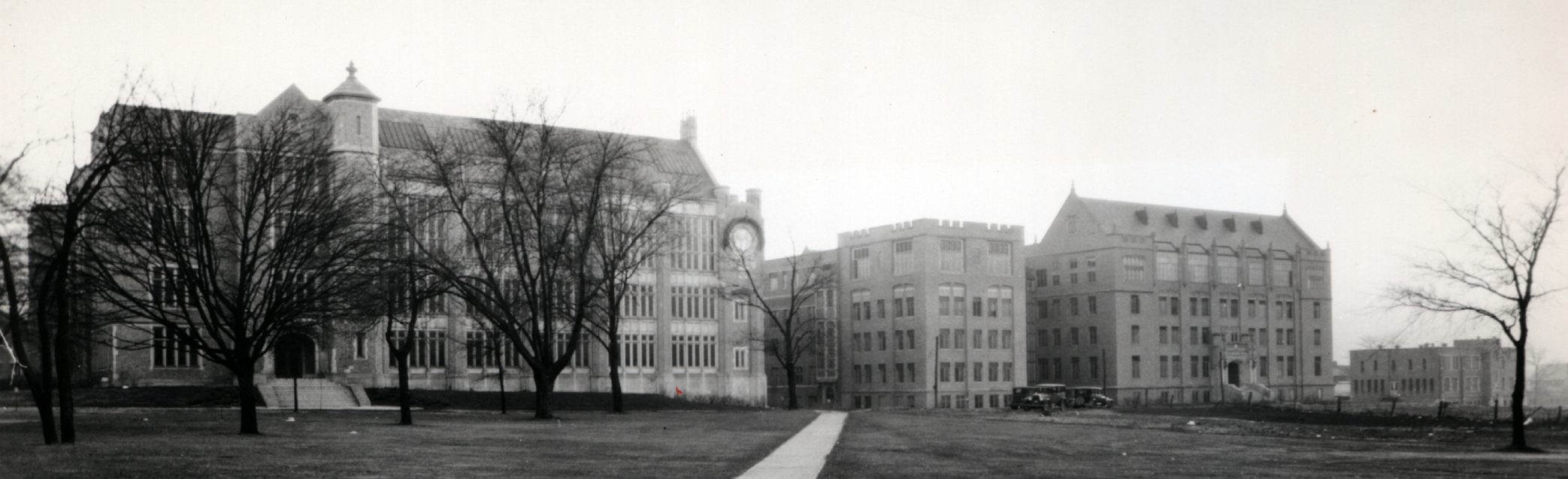
Hamilton, Starling Loving, and Kinsman Halls

Ohio State University College of Medicine, 1914-Present
1914: The Ohio State University College of Medicine begins.

Recognizing the great advantage that might accrue to the cause of medical education in Ohio and to the entire medical profession and citizenship through the establishment of a College of Medicine by the Ohio State University, the Trustees of the Starling-Ohio Medical College gave to the State of Ohio all its properties, both real and personal, for this purpose. The College of Medicine, therefore, began its career with an honorable history, with an alumni body of more than three thousand, and an established reputation and position. The buildings on the Ohio State University campus that comprised the medical school in 1914 were Hamilton Hall, Kinsman Hall and Starling-Loving University Hospital.

The College of Medicine, through its predecessors, ranks as the second oldest medical college in the state and incorporates all the best medical college interests in central Ohio. The College stands upon a foundation of six medical schools with a continuity of college life spanning over 175 years.

Starling-Ohio Medical College

Park Street Facility

Starling-Ohio Medical College, 1907-1914

1907: Starling Medical College and Ohio Medical University merge and become Starling-Ohio Medical College (SOMC). SOMC operates until 1914.

During the winter of 1906 and 1907 the trustees of the Starling Medical College and of the Ohio Medical University, recognizing the great advantages that would accrue to the cause of education and to the entire medical profession by union and co-operation, transferred the property and equities of these two corporations to a Board of their own selection with power to incorporate a new college. This action was taken March 13, 1907, the name agreed upon, Starling-Ohio Medical College, being a happy combination of the names of the only medical colleges in central Ohio at the time of the union. The new corporation included a Medical College, a Dental College and a Pharmacy College, designated as Departments. There were 303 graduates while SOMC was in operation.

State Street Facility

Ohio Medical University


Ohio Medical University

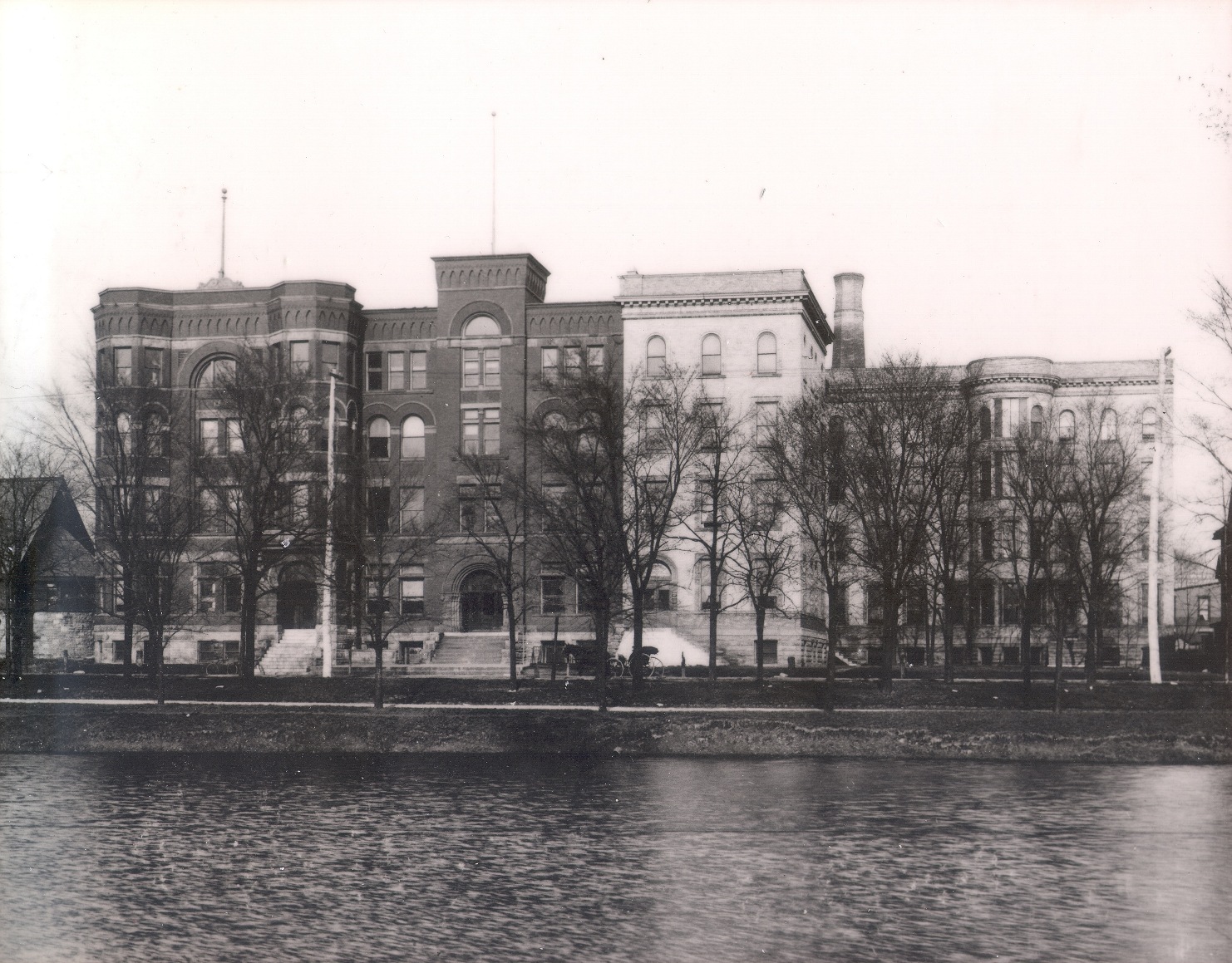
Ohio Medical University, 1892-1907
1892: Ohio Medical University (OMU) was founded. OMU was located on Park Street across from Goodale Park. It operates until 1907.

Coincident with the mergement of the Starling Medical College and the Columbus Medical College, the Ohio Medical University was organized, and from the first maintained a high place among the educational institutions of the State. It had colleges of medicine, dentistry and pharmacy, with a charter enabling it to establish a department of midwifery and a school for the training of nurses. From its inception the University adopted the recitation plan of instruction with modifications to suit the subject, and gave clinical work and laboratory exercises prominent places in its courses. Besides erecting large and spacious buildings for the several departments the university donated the ground upon which the Protestant Hospital Association erected a substantial hospital building; the hospital and university cooperating in promoting the welfare of each other. The university sent forth about 1,200 graduates.

Columbus Medical College

Columbus Medical College, c. 1883

Columbus Medical College, 1876-1892

1876: Columbus Medical College is established.

In 1875 a sharp dispute arose about making Dr. James Fairchild Baldwin professor of physiology in the Starling Medical College. Dr. Baldwin seemed to some of the faculty well-suited for the job, but Dr. Starling Loving and the administration thought otherwise. Dr. Howard Jones of Circleville was chosen. As a result of this defeat, Drs. John W. Hamilton, D. N. Kinsman, H. C. Pearce and Davis Halderman resigned and organized the Columbus Medical College. During the first seven years the college was conducted in the Sessions Block of High Street. In 1882 Dr. W. B. Hawkes gave four lots on Columbus’ west side and $10,000 toward a hospital to serve the Columbus Medical College. In 1886 the Hawkes Hospital of Mt. Carmel was erected.

About 500 students graduated from this college. In 1892, carrying with it its hospital facilities, Columbus Medical College was merged into Starling Medical College, but some of the faculty could not go along with the merger and joined Dr. J. F. Baldwin and others in the organization of the Ohio Medical University.

Starling Medical College

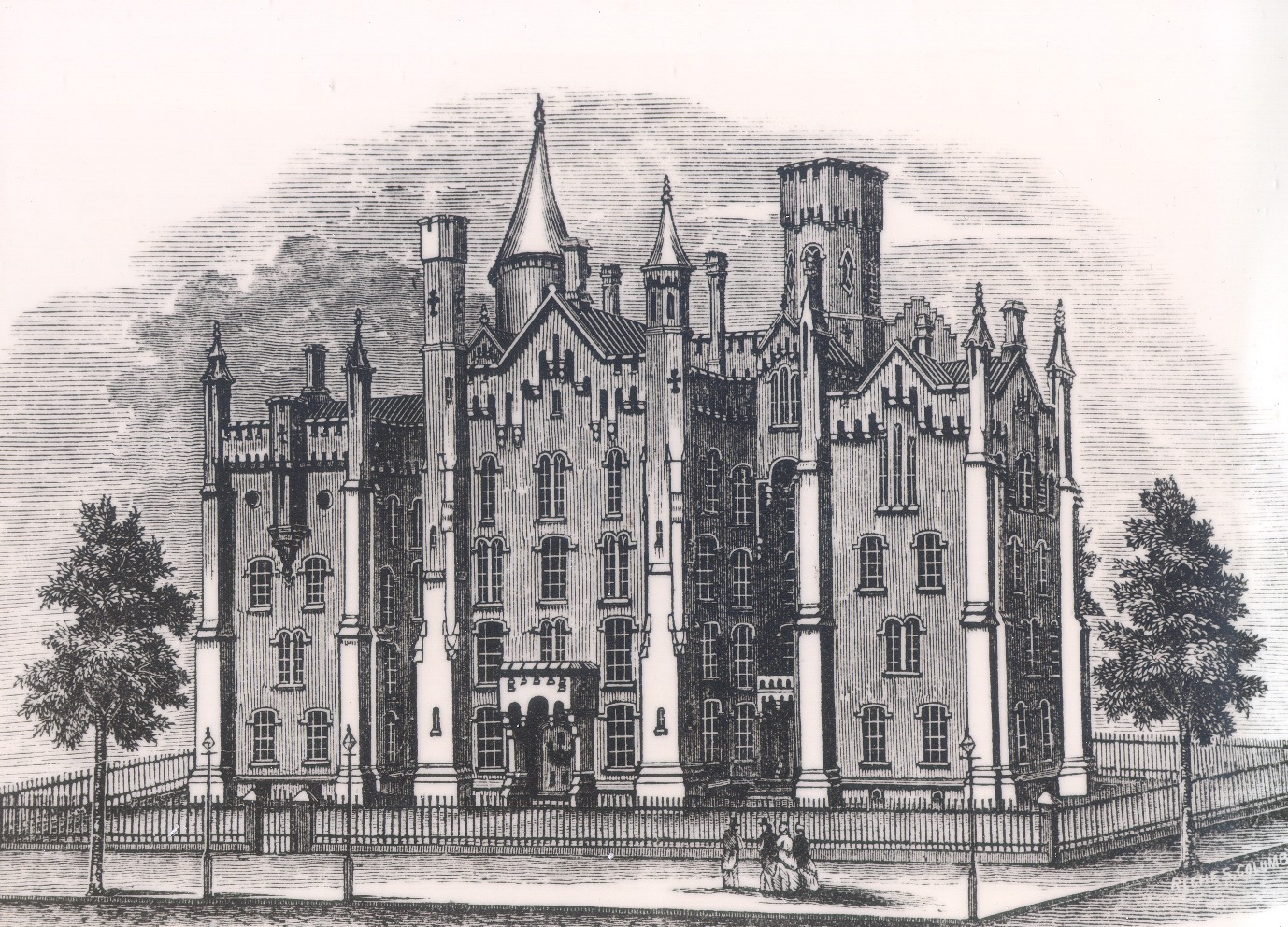
Starling Medical College, 1847-1907

1847: Starling Medical College (SMC) replaces Willoughby Medical College as the majority of the trustees, faculty, and students connected with Willoughby Medical College moved to SMC. Starling Medical College is located in St. Francis Hospital in downtown Columbus. It operates until 1907.

In the year 1848 the college was rechartered under the name of Starling Medical College in honor of Mr. Lyne Starling, who donated a building site and $35,000 for a new building: about two-thirds of the building assigned to St. Francis Hospital. During the sixty years of its career under this name the college graduated 2,600 students.

Willoughby Medical College of Columbus

Willoughby Medical College of Columbus, 1847

1846: Willoughby University moves to Columbus, Ohio and the name changes to Willoughby Medical College of Columbus.

The session of 1847-48 opened in Columbus under the name of the Willoughby Medical College of Columbus located in a building on the northwest corner of Gay and High Streets. The building is not adequate, but before the session was completed Mr. Lyne Starling, an attorney in Columbus and well connected with the older established families, offered to give money to erect a proper building. An entirely new charter was secured for the medical school, which, out of gratitude to the donor, was called Starling Medical College (SMC). Shortly after it has organized all of the trustees of the Willoughby Medical College of Columbus resigned in January 1848 and the class of 1848 was graduated under the charter of Starling Medical College. Willoughby Medical College of Columbus continued less than one complete session and had no graduates.

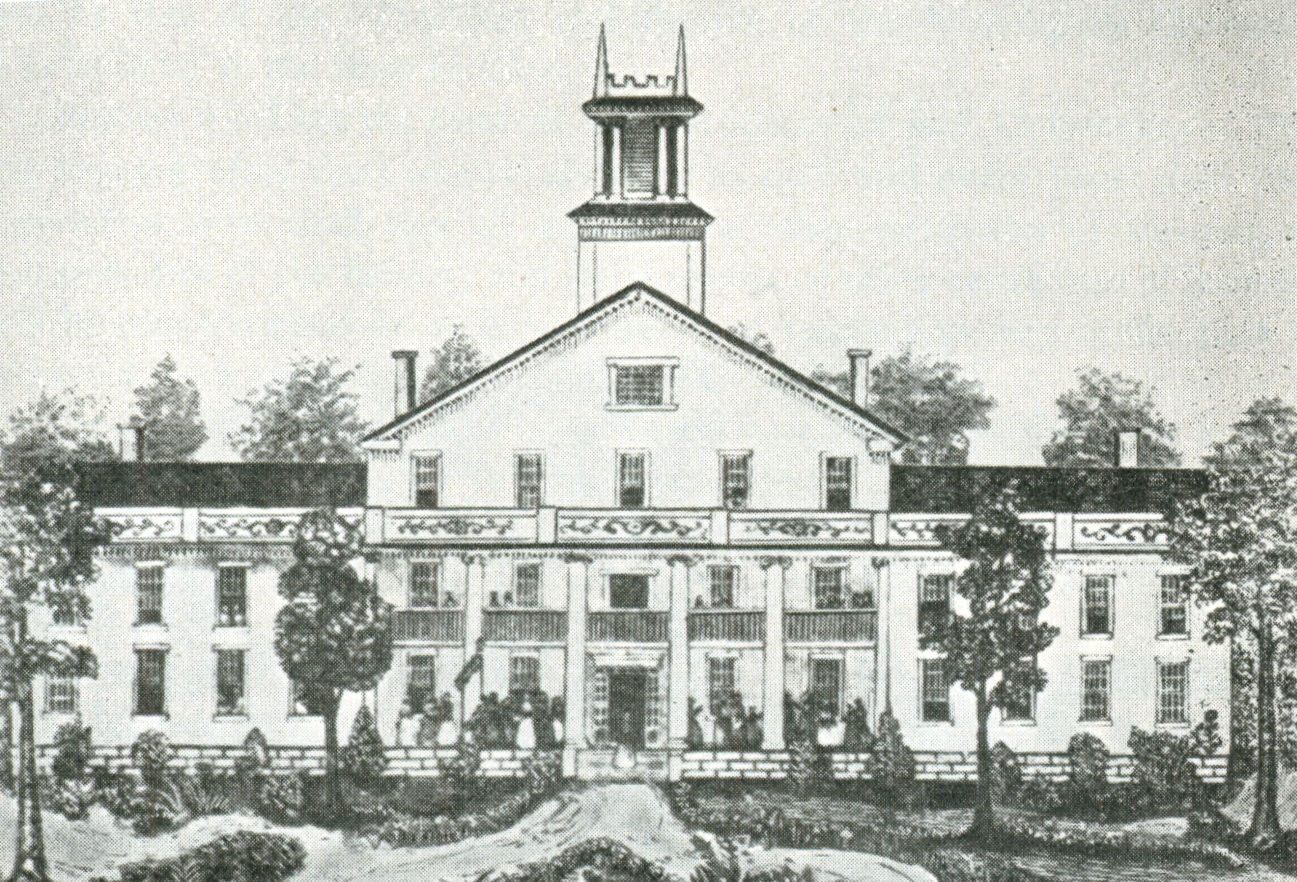
Willoughby University of Lake Erie

Willoughby University of Lake Erie, c. 1834

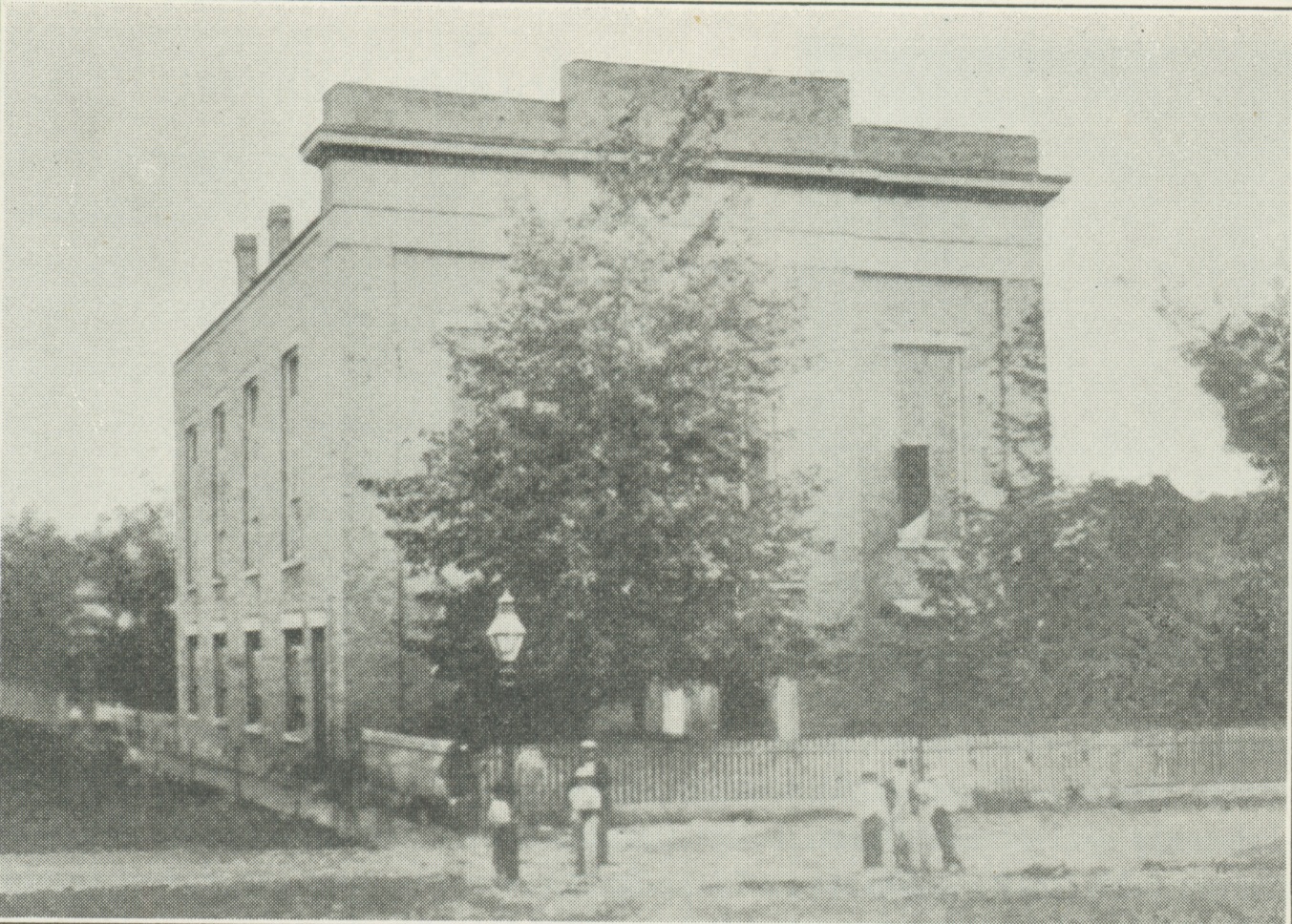
Willoughby University of Lake Erie, 1834-1846

1834: Dr. George W. Card and Dr. John M. Henderson found Willoughby University of Lake Erie in honor of their friend Dr. Westel Willoughby. Drs. Card and Henderson believed Willoughby’s name would give prestige to the university and would aid in securing teachers and students.

Willoughby University operated in Willoughby, Ohio until 1846. Willoughby University of Lake Erie had approximately 618 graduates.

De Humani Corporis Fabrica Libri Septem

Vesalius Portrait

Author: Andreas Vesalius
Title: De Humani Corporis Fabrica Libri Septem (On the Fabri of the Human Body in Seven Books)
Publication Information: Basileae: Per I. Oporinum, 1555

Published when he was only 29 years old, Vesalius revolutionized not only the science of anatomy but how it was taught through this work. Vesalius provided a fuller and more detailed description of human anatomy than any of his predecessors in this book. He corrected errors in the traditional anatomical teachings of Galen which had been obtained from primate rather than human dissection. Vesalius’s most lasting contribution to the teaching of anatomy was the principle that only through human dissection could the physician learn human anatomy in sufficient detail to be able to teach it accurately.

The title page and the series of more than 200 anatomical woodcuts spread throughout the book, which is written in Latin, remain the most famous series of anatomical illustrations ever published. Vesalius never named the artist, but Jan Stephen van Calcar is the only named artist definitely known to have worked with Vesalius, so the illustrations are often attributed to him.

The 1555 version in the Medical Heritage Center collection is a copy of the second printing of the book. The first version was done in 1543. Each book is covered in a different material including silk and human skin. The MHC volume is covered in pigskin.

For more information about Vesalius and his famous work, please visit the links below.

http://vesalius.northwestern.edu/

http://www.nlm.nih.gov/exhibition/historicalanatomies/vesalius_home.html

Older posts Newer posts