
OSU Homeopathic Hospital, 1914-1917
Homeopathy is a form of what is now called alternative medicine that attempts to treat patients with heavily diluted preparations. Dr. John Franklin Gray was the first practitioner of homeopathy in the United States in 1828. The first homeopathic schools in the United States opened in 1830.
Some believe that homeopathic medical schools were more open to accepting women, but that was not the case. The two largest homeopathic medical colleges, Hahnemann Medical College of Philadelphia and New York Homeopathic Medical College, refused to accept women throughout the nineteenth century. By 1900, there were 22 homeopathic colleges and 15,000 practitioners in the United States. From its inception, however, homeopathy was criticized by mainstream science and the last school in the U.S. exclusively teaching homeopathy closed in 1920.
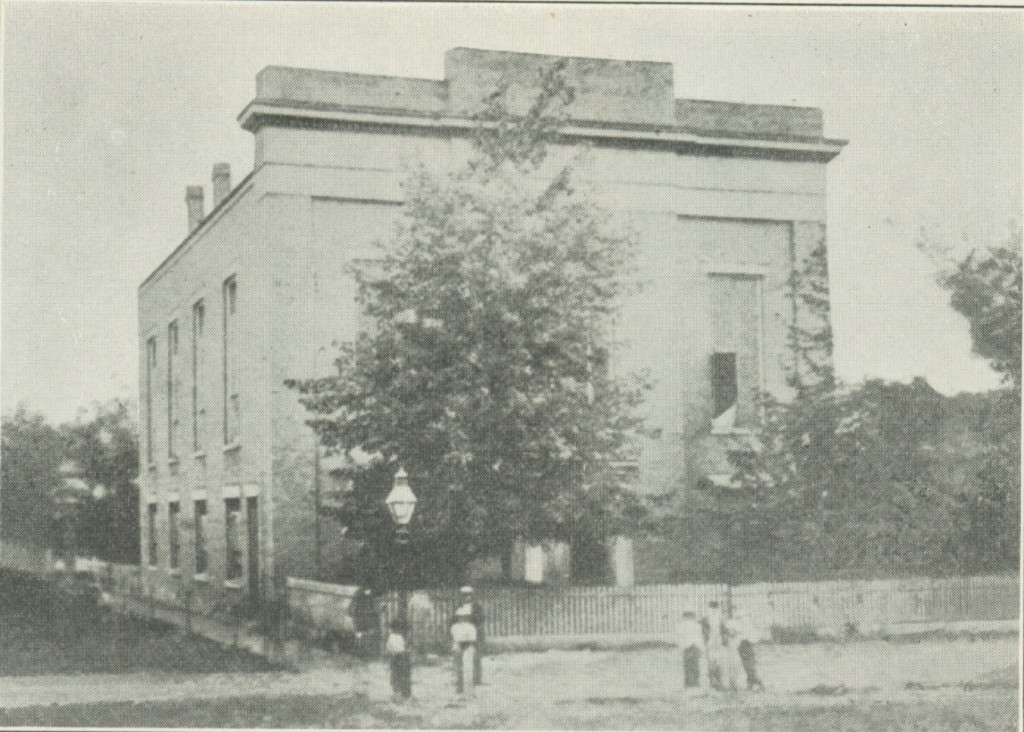
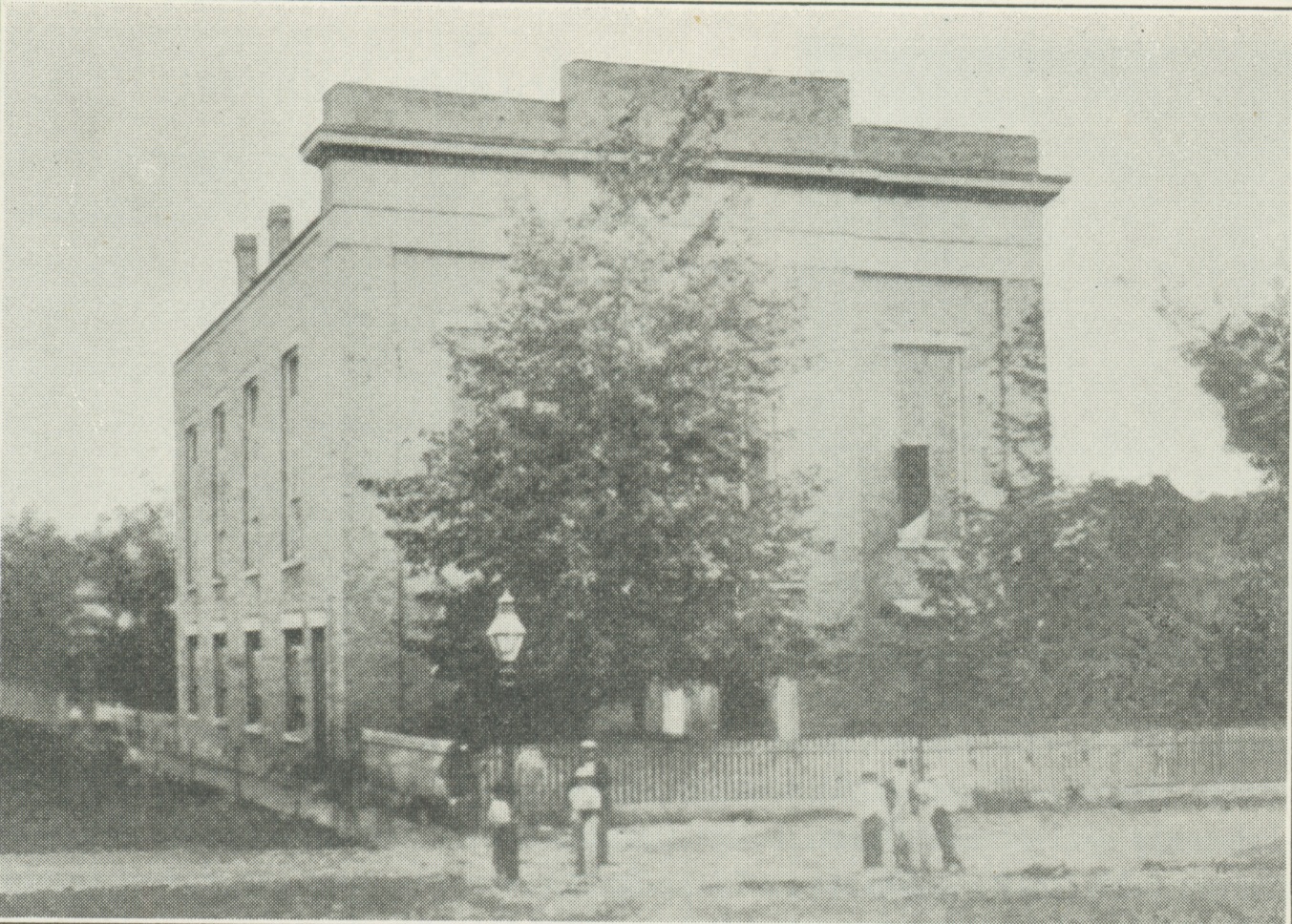
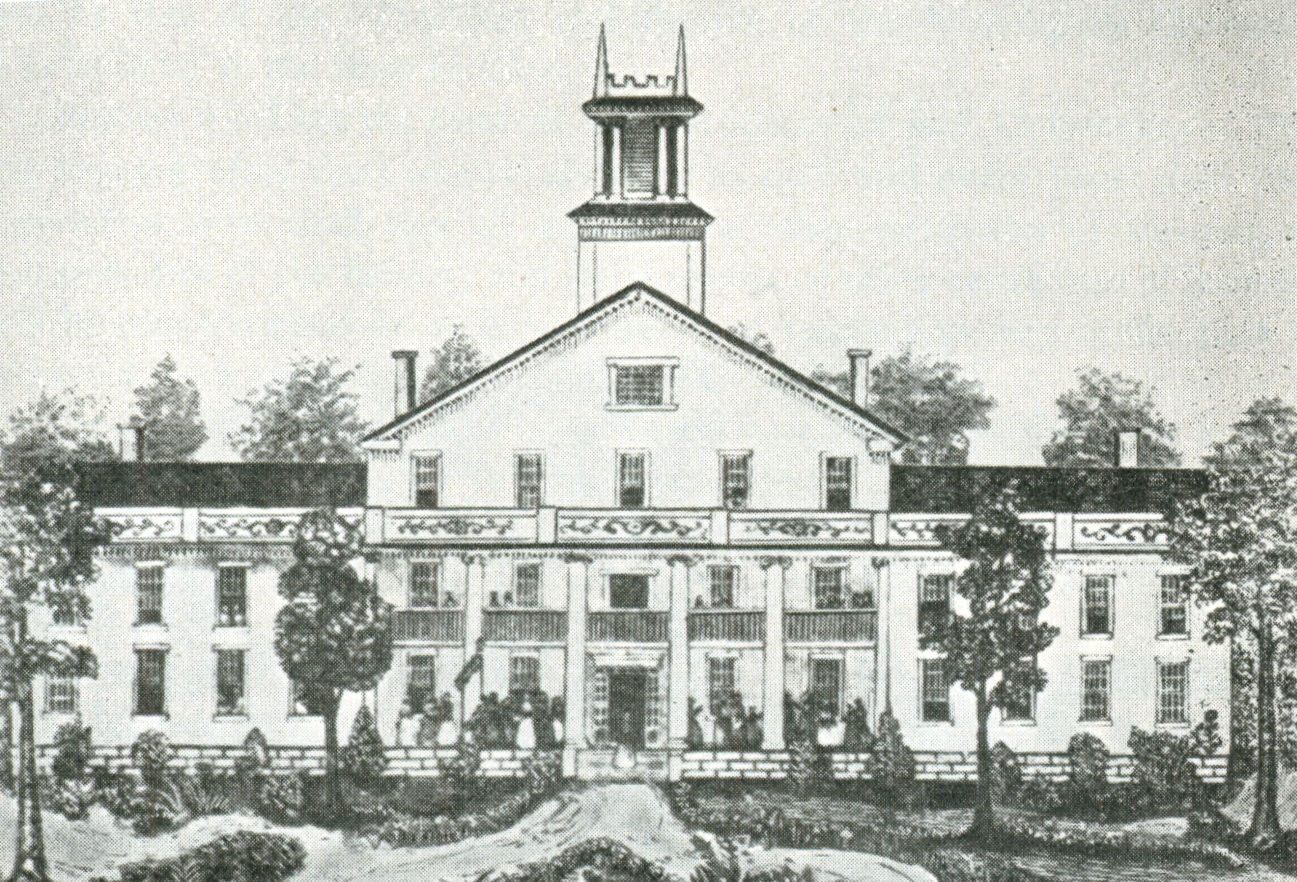
The Ohio State University had a College of Homeopathic Medicine. It was in operation from 1914 to 1922. The Homeopathic Hospital, stood on the corner of 10th and Neil Avenues (the present location of Newton Hall), originally served as a dormitory and was converted to clinical use as the Hospital in 1914. This was the first hospital on campus which after the addition of a double-story porch on its south side in 1915 had a capacity of 35 beds. By 1921, there had been a total of 20,000 bed days and over 3,800 outpatients and 1,800 inpatients served by this facility. The Hospital was staffed by nurses with Jessie Harrod as chief nurse and a staff consisting of an assistant at night, a teacher of surgical nursing, a house physician, and eight student nurses. Ohio State rented a house on Neil Avenue across the street from the Hospital to provide a home for 14 graduate and student nurses.
Starling-Loving University Hospital (now known as Starling Loving Hall) was built in 1917 to replace the Homeopathic Hospital on 10th and Neil. In 1922, after the University Board of Trustees voted to stop operating two colleges of medicine and the college of homeopathic medicine was discontinued, Starling-Loving University Hospital served as the main hospital on campus. The Homeopathic Hospital on the corner of 10th and Neil served as Children’s Hospital.
During the College of Homeopathic Medicine’s operation, there were three female graduates: Carrie Inez Hyatt and May Schimkola in 1915 and Margaret J. Rupert in 1919. The only female faculty member was Margaret J. Rupert who in 1920 served as an assistant of Materia Medica and Clinical Therapeutics.




Recent Comments