
Humans have influenced Ohio’s forests for thousands of years, but the most dramatic changes have occurred since the beginning of Euro-American settlement. When the first permanent settlers arrived in Marietta in 1788, Ohio was densely forested. Estimates indicate that about 95 percent of the state’s approximately 24 million acres were covered with forests: deciduous broadleaf forests of elm and ash along the shores of Lake Erie, beech and maple through much of the state’s center, and oak, hickory, and chestnut in the south and southeast. Only about 4 percent of the state’s surface area was not originally forested, including prairies, bogs, and swamps. Over the next century, large areas of the state were cleared for agricultural and industrial purposes. Although Ohio’s forests of today have recovered substantially, they differ remarkably from the forests experienced by federal land surveyors and early settlers 200 years ago.
-
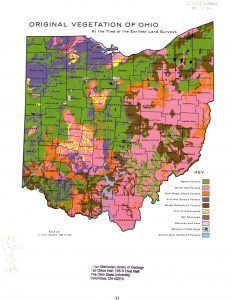
- Original Vegetation Map of Ohio
-
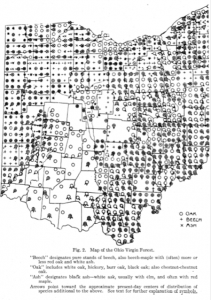
- The Natural Vegetation of Ohio
-
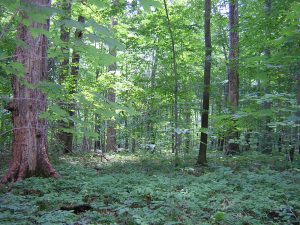
- Old-growth Forest at Johnson Woods State Nature Preserve
-
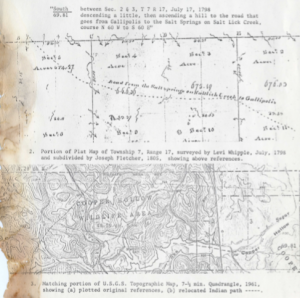
- Mapping Principal Indian Paths of Ohio
-
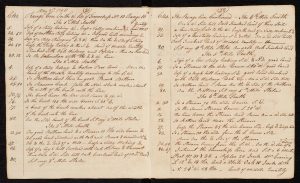
- Mathewson Field Notes
-
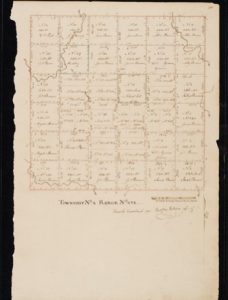
- Official Survey Book of the Ohio Company
-
- Forest Distribution
-
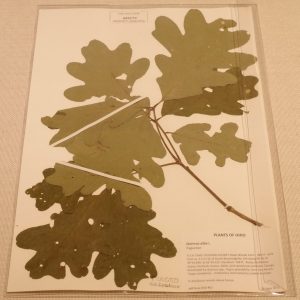
- Quercus Alba Herbarium Specimen
-
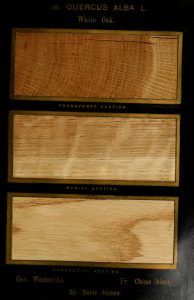
- Cross-sections of White Oak
-

- Stereoscope